


A Practical Guide to Coastal Phone Protection in Australia
Posted by New Case on 15th Feb 2026
Living near the Australian coast offers an incredible lifestyle, but the sun, sand, and sea air that we love can be tough on our electronics. Your smartphone is particularly vulnerable to the unique challenges of a seaside environment, and the damage isn't always as obvious as a drop in the water.
Developing a few simple habits can significantly extend the life of your device. This guide focuses on practical, everyday strategies for coastal phone protection, helping you avoid common issues caused by salt, sand, and moisture.
The Hidden Threat of Salt Air and Humidity
While a day at the beach presents clear risks, the most persistent issue for coastal residents is the air itself. Salty sea spray is corrosive, and this fine mist can travel surprisingly far inland, affecting your devices even when you're at home.
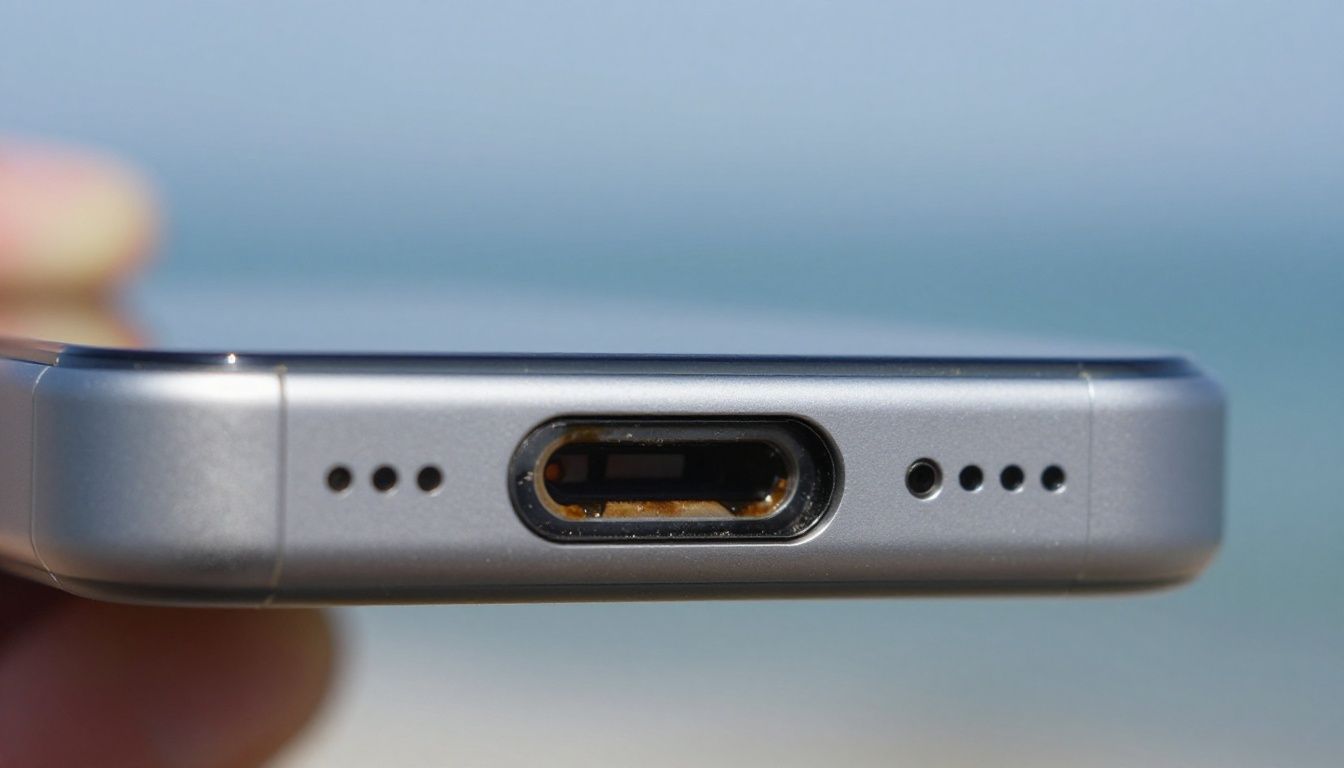
This corrosive salt air phone damage often targets the most exposed parts of your phone. Charging ports, speaker grilles, and microphone openings can accumulate salt deposits over time, leading to charging problems, muffled audio, and eventually, internal component failure. High humidity levels also increase the risk of moisture getting inside the device, which can cause short circuits.
Smart Habits for Beach Days
Taking your phone to the beach requires a bit more thought than just throwing it in a bag. Sand, water, and direct sun all pose immediate risks that are best managed with a proactive approach.
Sand: The Abrasive Intruder
Sand is highly abrasive and can easily scratch your screen and camera lenses. Tiny grains can also work their way into charging ports and speaker holes, creating blockages and causing physical damage to the delicate connectors inside.
A simple, effective solution is to keep your phone in a sealed pouch or a dedicated beach phone case. This creates a physical barrier, preventing any sand from coming into contact with your device while still allowing you to use it.
Water and Sun Exposure
An unexpected wave or a simple fumble can lead to water damage. While many modern phones have some level of water resistance, this rating doesn't always account for the pressure of a wave or prolonged submersion. For true peace of mind, a waterproof phone case is a worthwhile consideration for frequent beachgoers.
Equally important is protecting your phone from the sun. Leaving a phone in direct sunlight can cause it to overheat, which permanently degrades battery health and can even damage the screen or internal processors. It's always best to keep it under a towel or in a shaded spot.
Everyday Protection Strategies
Effective coastal phone protection is about more than just beach trips; it's about small, consistent habits that counter the constant exposure to salt and humidity.
At Home and On the Go
Even at home, be mindful of where you leave and charge your phone. Avoid charging it in particularly humid areas, like a bathroom after a hot shower, as the combination of electricity and moisture increases corrosion risk.
After spending time near the ocean, it's a good practice to gently wipe down your phone with a soft, dry microfibre cloth. This removes any salt residue that may have settled on the surface. A well-fitted case can also provide a good seal around ports, reducing exposure to airborne salt and dust.
Cleaning and Maintenance
Regularly check your phone's ports for any visible debris. If you see buildup, you can gently clean it out. A can of compressed air, used in short bursts from a safe distance, can dislodge dust and sand without physical contact.
For more stubborn grime, a very soft, dry brush (like a new, clean toothbrush) can be used with extreme care. Never insert metal objects like pins or paper clips into the charging port, as this will almost certainly cause permanent damage.
Frequently Asked Questions
Is a standard phone case enough for living by the coast?
A standard case helps protect against drops and scratches, but it may not offer sufficient protection from fine sand, moisture, or corrosive salt air. Look for cases that have covers for the charging port for an extra layer of defence.
Can salt air damage my phone even if I don't go to the beach?
Yes. Salty air is pervasive and can travel several kilometres inland. Over months and years, this constant, low-level exposure can lead to corrosion on charging ports and other external components, even if the phone is never directly exposed to sea spray.
My phone is rated as water-resistant. Do I still need a waterproof case?
Water-resistance ratings (IP ratings) are tested in controlled, fresh-water conditions. They don't guarantee protection against saltwater, which is more corrosive, or the dynamic pressure from waves. For activities like swimming or kayaking, a proper waterproof phone case is highly recommended.
Practical takeaway
Protecting your phone in a coastal environment relies on awareness and consistent habits. While a quality case designed for beach use or with port covers is beneficial, the biggest difference comes from your daily routine. By keeping your device clean, dry, and shielded from the elements, you can minimise the impact of salt and sand and ensure it functions properly for longer.