


Are Clear Phone Cases Actually Protective?
Posted by New Case on 28th Feb 2026
Clear phone cases are a popular choice for good reason. They let you appreciate your mobile's original design and colour while offering a layer of defence. However, a common question arises: does their transparency come at the cost of safety? Many people wonder if a clear case can truly stand up to drops and daily wear.
The simple answer is that a case's colour—or lack thereof—has no bearing on its protective capabilities. The level of clear phone case protection you get depends entirely on its material, design, and construction, not its transparency.
What Determines a Case's Protective Qualities?
When assessing how well a case can guard your phone, you need to look past its appearance and focus on its core features. Two main factors contribute to a case's strength: the materials it's made from and the specific design elements it includes.
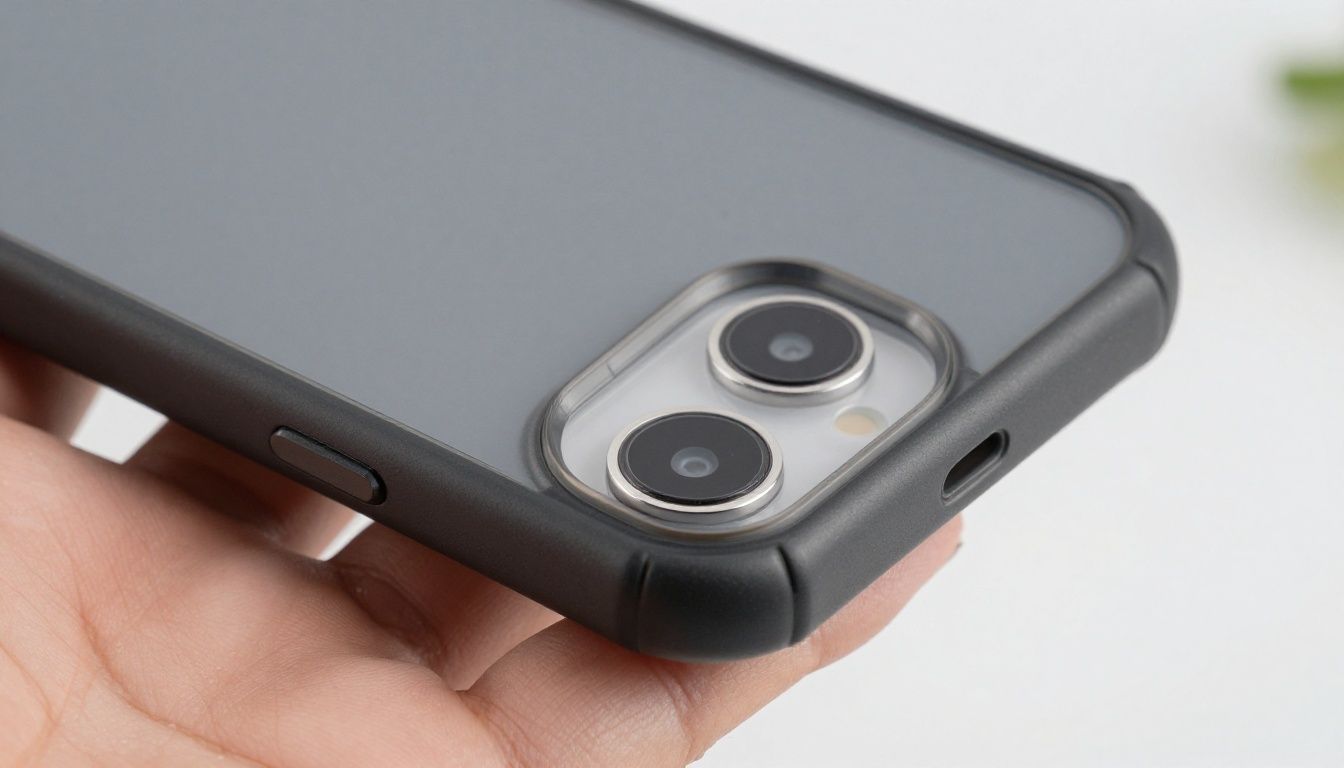
Material Matters: TPU, Polycarbonate, and Hybrids
The most common material for flexible clear cases is Thermoplastic Polyurethane (TPU). It's a rubber-like plastic that is excellent at absorbing the energy from impacts, making it a great choice for shock absorption. It provides a good grip and basic protection against bumps and scratches.
Another material you'll find is Polycarbonate (PC), a rigid, tough plastic. It's highly durable and resistant to scratches. Often, a protective clear case will use a hybrid design, combining a hard PC backplate with a more flexible TPU bumper. This approach offers the best of both worlds: scratch resistance for the back of your phone and shock absorption around the edges where drops are most likely to occur.
Design and Engineering Features
Beyond the material, smart design is crucial for protection. Many high-quality clear cases incorporate features specifically engineered to protect your device during a fall.
Look for cases with raised edges, or bezels, that wrap around the front screen and the rear camera module. This subtle lip ensures that if you place your phone face down or it falls flat, the glass surfaces don't make direct contact with the ground.
Another key feature is reinforced corners. Since phones most often land on a corner when dropped, some cases have air pockets or extra cushioning built into the corners to disperse the force of impact and prevent screen shatters.
Clear Cases vs. Other Materials: A Fair Comparison
When considering a clear case vs a silicone one, it's important to compare products of similar quality. A basic, ultra-thin clear case will naturally offer less protection than a thick, heavy-duty coloured case. The reverse is also true.
A well-made shockproof clear case, engineered with a hybrid of TPU and PC, reinforced corners, and raised bezels, can provide protection that is equal to or even better than a standard opaque silicone case. The choice isn't about clear versus coloured, but about basic versus engineered protection.
Common Concerns with Clear Cases
While modern clear cases are highly effective, there are a couple of aesthetic concerns that are worth noting. These issues don't typically affect protection but are related to the long-term appearance of the case.
The Yellowing Effect
One of the most frequent complaints about clear cases is that they can turn yellow over time. This discolouration is a natural reaction of the TPU material when it's exposed to ultraviolet (UV) light and the oils from your skin. While many premium cases now include anti-yellowing polymers to slow this process, some degree of yellowing is often inevitable over a long period.
Scratches and Scuffs
Just like any smooth, glossy surface, a clear case can show scratches and scuffs more visibly than a textured or matte-finish case. Cases with a hard polycarbonate back are generally more scratch-resistant than those made purely from softer TPU, helping to keep your case looking fresh for longer.
Frequently Asked Questions
Can a thin clear case protect my phone from drops?
A very thin clear case provides excellent protection against scratches and minor bumps. For significant drop protection, it's better to choose a shockproof clear case that has specific features like reinforced corners and raised edges to absorb impact.
Do all clear cases turn yellow?
Most clear cases made with TPU material will eventually show some yellowing due to UV exposure. Higher-quality cases often have anti-yellowing treatments that delay this process, and cases made from hard polycarbonate are not prone to yellowing at all.
Is a clear case better than a coloured silicone one?
One isn't inherently better than the other; protection depends on material quality and design, not colour. A well-designed protective clear case can offer the same level of defence as a comparable silicone case. The best choice depends on your preference for aesthetics versus specific protective features.
Practical takeaway
The transparency of a phone case does not determine its ability to protect your device. A high-quality clear case can be just as effective as any opaque counterpart. When shopping, focus on the key indicators of clear phone case protection: the materials used, the presence of raised bezels for screen and camera safety, and shock-absorbing features like reinforced corners.