


Are Heavy Duty Phone Cases Worth the Extra Bulk?
Posted by New Case on 8th Jan 2026
A heavy duty phone case is often the first line of defence Australians choose for safeguarding their devices. Whether you're hiking in the bush, heading to a worksite, or simply prone to the occasional drop, deciding between a rugged phone case and something slimmer can feel like a key lifestyle choice. This article unpacks the real benefits and drawbacks—beyond the marketing.
The Role of a Heavy Duty Phone Case
Heavy duty phone cases are designed to withstand impacts, dust, dirt, and sometimes even water, making them popular among tradies, travellers, and parents. The main goal is practical: maximise protection against everyday hazards.
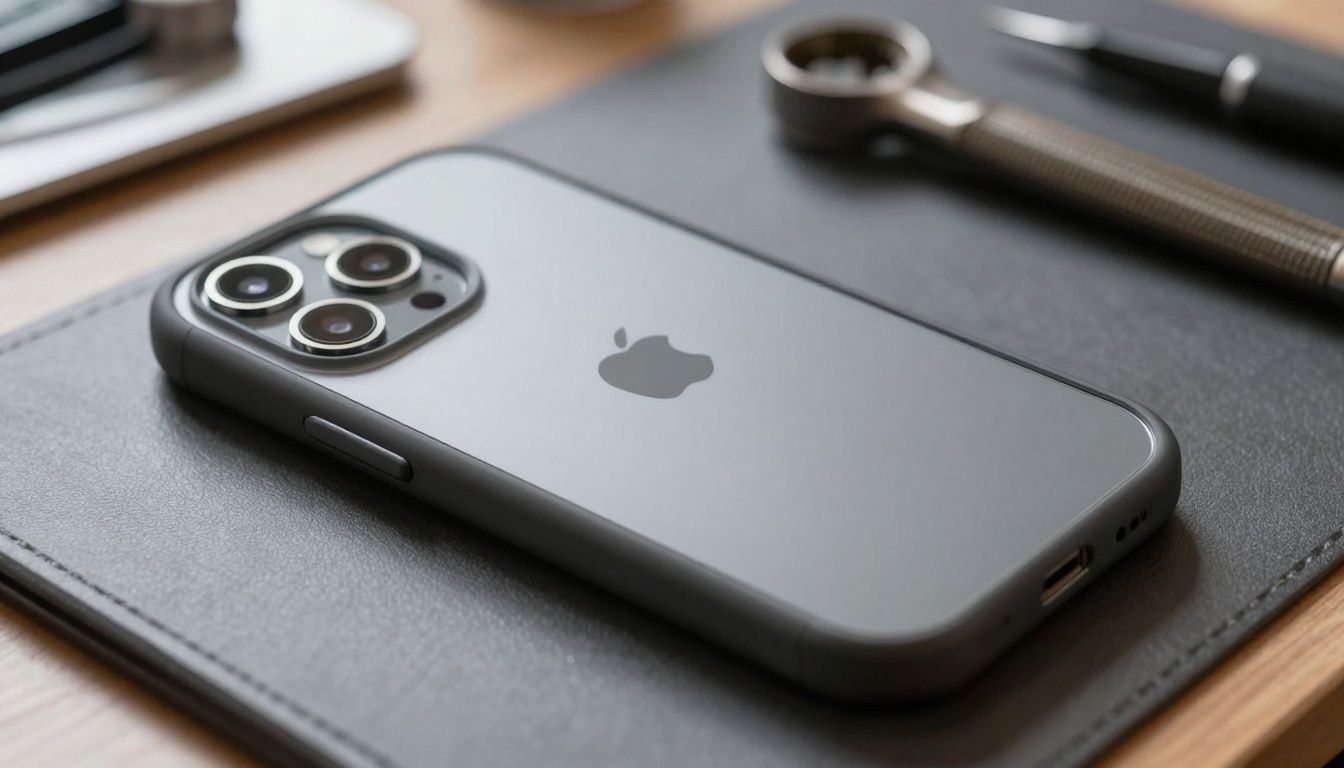
What Does 'Heavy Duty' Really Offer?
- Shock absorption: Added layers of rubber or reinforced plastic reduce the risk of screen breaks if your phone takes a tumble.
- Dust and dirt resistance: Port covers and snug fits keep grit out, handy for work sites or outdoor adventures.
- Better grip: The bulkier shape often makes your phone easier to hang onto.
But all this protection comes with increased size and weight, sometimes making your device up to twice as thick as a standard model.
When Is Extra Bulk Justified?
Not everyone needs a rugged phone case. Consider these scenarios:
- On-the-job necessity: Tradespeople, landscapers, or mechanics are regularly surrounded by drop hazards, loose hardware, or grime. Here, a thick phone case protection isn’t just nice-to-have—it’s a practical insurance policy.
- Family life: Parents with younger children often find that phones become communal objects. A heavy duty case stands up to toddler tantrums and accidental drops.
- Outdoor lifestyle: Frequent bushwalkers, campers, or surfers may want extra water and dust resistance, plus shock absorption for falls.
If your days are usually spent in an office, or you keep your phone in a secure bag, the extra bulk may be unnecessary. For these users, a slim case may offer enough protection for bumps and minor mishaps without weighing them down.
Practical Trade-Offs: Slim vs Heavy Duty Case
The choice between a slim and a heavy duty phone case often comes down to priorities:
Heavy Duty Case
- Excellent for high-risk environments
- Improves grip, harder to lose
- Bulky, can be tricky in smaller bags or pockets
- Might limit wireless charging or button sensitivity
Slim Case
- Easier to carry, lighter feel
- Fits in jeans or narrow bags
- Offers basic scratch and minor drop protection
- Less suited for tough conditions
Assessing your daily routine, travel habits, and typical phone use scenarios helps determine which is the better fit.
Real-World Longevity and Maintenance
A rugged phone case can significantly extend the life of your device, especially if you’re out and about or working in active settings. However, these cases attract more dust and can be harder to clean. Regular checks and the occasional deep clean help prevent dirt buildup that could affect phone performance.
FAQ
Do heavy duty phone cases really prevent all cracks and damage?
While they provide excellent shock absorption, no case can guarantee 100% protection—especially for extreme impacts or sharp objects. Using a high-quality screen protector alongside your case offers extra safeguard.
Will a heavy duty phone case affect wireless charging?
Thicker cases can sometimes interfere with wireless charging or magnetic mounts, depending on your phone model and charger strength. Testing your setup before regular use is recommended.
Are there heavy duty options that aren’t too bulky?
Yes, some manufacturers offer cases with reinforced corners and dual-layer designs that balance protection and size. These aren’t as slim as basic options, but can be more manageable while still providing substantial defence.
Practical takeaway
Choosing a heavy duty phone case is about honestly weighing your lifestyle and daily risks. If your phone is exposed to unpredictable environments, the added bulk is often worth the superior protection. For mostly indoor use and light outings, a slimmer case may make more sense.