


Are Waterproof Cases Safe for Pools vs Ocean?
Posted by New Case on 30th Dec 2025
If you love taking your phone into the water—whether for poolside selfies or snorkelling adventures—the right waterproof case is essential. But not all water is the same, and there are important differences between using a waterproof phone case at a pool versus the ocean. This article looks at what sets these environments apart and offers practical tips to protect your device.
How Pools and Oceans Differ for Phone Protection
At first glance, water might seem like water. However, the makeup of pool and ocean environments is quite different, and this can have real impacts on how well your waterproof case performs.
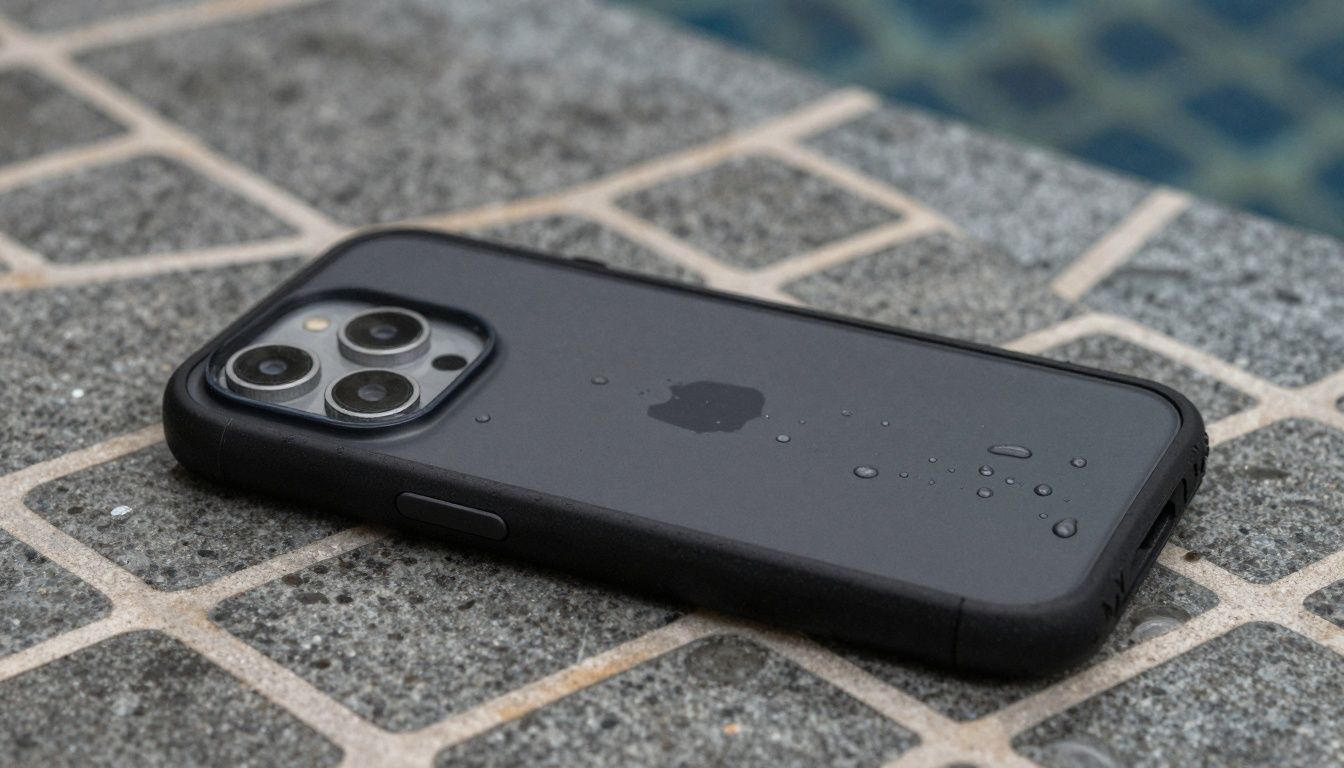
Pool Water: Chlorine Considerations
Most pools use chlorine or similar chemicals to keep the water clean. While this makes swimming safer for people, it can be harsh on materials, including the seals and plastics of waterproof cases. Prolonged exposure to chlorinated water may:
- Degrade silicone seals or rubber components
- Lead to brittleness in some plastics over time
- Leave residue that should be rinsed off after use
It’s wise to rinse your case in fresh water after every use in a chlorinated pool. Also inspect the case regularly for any signs of wear, especially where the case seals.
Ocean Water: Saltwater Challenges
Saltwater is more corrosive than pool water. It can:
- Accelerate corrosion on metal parts (zips, clasps, or hinges)
- Clog or degrade seals if not cleaned
- Leave salt deposits that reduce transparency or create sticky spots
For ocean use, it’s crucial to follow up with a tap water rinse and ensure the case is dry before storage. Pay special attention to eliminating any trapped sand, as this can damage the seal over time.
Understanding Waterproof Case Ratings
All waterproof cases come with an IP (Ingress Protection) rating. The second number tells you how resistant the case is to water. For pool and ocean use, look for ratings like IP68, which means the case should be suitable for continuous submersion under specified conditions.
However, these ratings are typically tested in fresh water—not chlorinated or salt water. Both chlorine and salt may impact a case’s long-term effectiveness, so regular checks are essential.
Real-World Use: Tips for Australian Conditions
Australian summers mean frequent beach and pool visits. Here are some practical tips for making the most out of your waterproof case:
- Check the seals and hinges before each use
- Rinse your case in fresh water after pool or ocean adventures
- Avoid leaving your phone in direct sunlight inside a case for extended periods
- Carry a soft cloth to dry off after swims
Using cases in both pool and ocean is possible, but being proactive with cleaning and inspections maximises protection.
FAQ
1. Will chlorine damage my waterproof phone case over time?
Yes, repeated exposure to chlorine may weaken seals and degrade some plastics. Always rinse and dry your case after use to extend its life.
2. Is a case with a high waterproof rating enough for the beach?
A high rating like IP68 is suitable for most beach outings, but salt and sand require extra care. Rinse and check your case after every ocean swim.
3. Can small leaks be repaired or should I replace my case?
Even minor leaks are a sign the case may no longer provide full protection. It is safest to replace any case showing suspect seals or physical damage.
Practical takeaway
Whether you’re heading poolside or to the coast, your waterproof case needs different care in each environment. Rinsing, inspection, and using appropriate ratings are crucial to keep your device protected wherever you swim.