


Are Waterproof Phone Cases Safe for Swimming?
Posted by New Case on 18th Dec 2025
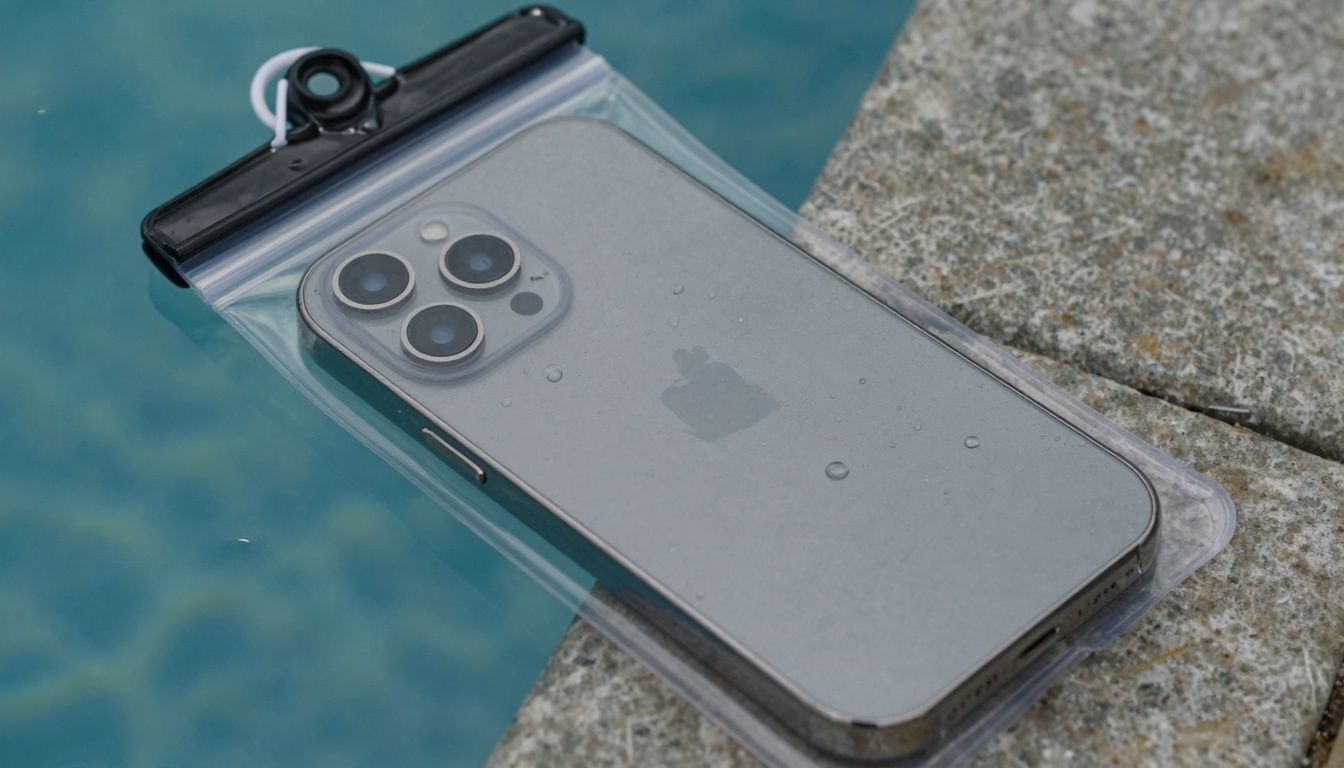
With the convenience of smartphones, many Australians consider taking their devices along for a swim—whether that’s at the beach, in the backyard pool, or even while kayaking. But is a waterproof phone case for swimming genuinely safe, or are there risks to be wary of? Here’s a practical look at what you can expect, including realistic advice for using mobile cases around water.
Understanding Waterproof Phone Cases
A waterproof phone case is designed to keep your device dry, even if it’s fully submerged. These cases often rely on sealing mechanisms and specific materials to prevent water ingress. But not all cases are made equal.
The main feature you’ll see advertised is the IP rating. For swimming, an IP68 phone case is most common. “IP68” means the case should protect your phone against continuous submersion in water, but it’s always wise to check the actual depth and time limits specified by the manufacturer.
Are Waterproof Phone Cases Really Safe for Swimming?
Factors That Affect Reliability
Even cases with high water resistance ratings can have limitations. Consider:
- Seal integrity: If the case is not closed properly or if the gasket is damaged, water can leak in.
- Depth and pressure: Cases rated for shallow water may not handle diving or rough surf well.
- Prolonged submersion: Over time, even waterproof materials can degrade or let in small amounts of moisture.
- Sudden movements: Quick jumps or splashes can force water into weak points of a case.
That’s why it’s important to treat your waterproof phone case for swimming as added protection, not a guarantee.
Realistic Use Cases
Waterproof phone cases are well-suited for:
- Casual swimming or floating in a pool
- Shallow snorkelling
- Taking photos in waist-deep water
- Using your phone in sandy or splash-prone areas
They are less reliable for:
- Deep-water diving
- High-impact sports
- Environments with rapid pressure changes
Testing your case before use—by submerging it empty to check for leaks—is always a good idea.
Underwater Phone Case Maintenance
To maintain the waterproof qualities of your case:
- Rinse with fresh water after use in salt or chlorinated pools
- Inspect seals for sand, hair, or lint before closing
- Store out of direct sunlight to extend the life of rubber seals
Careful maintenance ensures your case continues to protect your device when you need it most.
FAQ
1. Can I use my phone’s touchscreen underwater with a waterproof case?
Most touchscreens are less responsive underwater, but you can use physical buttons or pre-set your camera to take photos. Some advanced cases feature materials that allow limited touch control.
2. How do I know if my waterproof phone case is still effective?
Check all seals and closures for damage before each swim. Submerge the empty case in water and look for air bubbles or moisture inside to confirm it’s watertight.
3. Will chlorine or saltwater damage my phone even with a case?
A properly sealed case will protect your phone, but it’s crucial to rinse the case after use to prevent degradation. Over time, repeated exposure can weaken seals if not cleaned.
Practical takeaway
A waterproof phone case for swimming provides a valuable layer of protection, but care and regular checks are essential for peace of mind. Use these cases as part of a cautious approach, and always test before trusting your device to the water.