


Can Shockproof Cases Damage Your Phone?
Posted by New Case on 17th Jan 2026
For many Australians, a shockproof case is a logical addition to a new smartphone. Between public transport jostles, the occasional fumble, or the daily grind, extra protection sounds appealing. But a common question arises: can a phone case damage a phone rather than protect it? Surprisingly, the answer isn’t always black and white.
How Phone Cases Interact with Your Device
Shockproof cases are designed to cushion phones against drops and impacts. Typically, they use materials such as silicone, TPU, or reinforced plastics to absorb force. While these materials offer robust protection, their interaction with your phone relies on the quality and fit of the case.
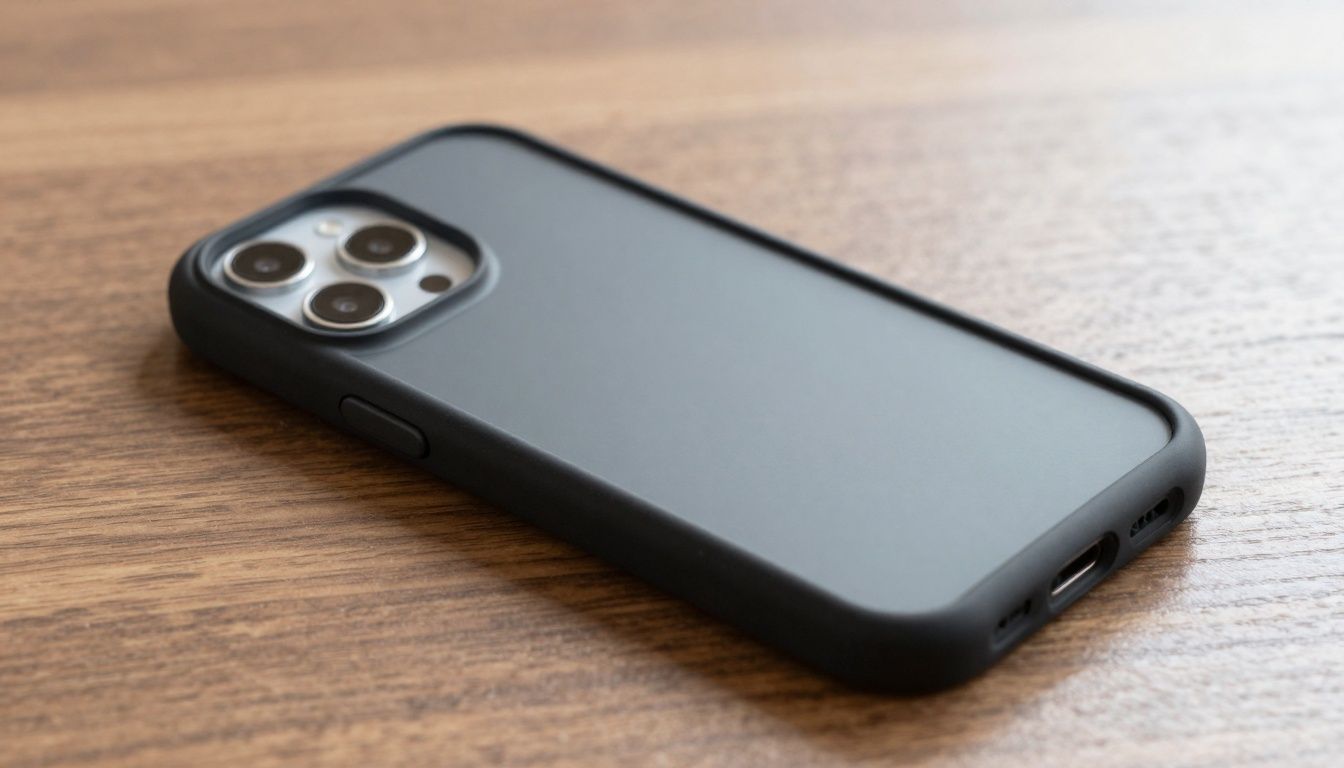
When Could a Case Cause Problems?
Damage is unlikely from a well-made case, but certain scenarios raise concerns:
- Poor case fit: If a case is too tight, it may put pressure on the phone’s buttons, frame, or screen. Over time, tight phone case issues can lead to button malfunction or even warping.
- Dirt and debris: If grit gets trapped between the case and the phone, it may scratch the surface, especially on glass or metal-backed devices.
- Blockage of ports, speakers, or microphones: An ill-fitting case might muffle speakers or interfere with charging.
Shockproof Cases and Overheating
Another practical consideration is heat. Most modern smartphones manage heat from regular use and charging using venting and heat dissipation built into their design. A bulky or insulating case could occasionally impact this, leading to what some call “overheating phone case” problems.
In practice, typical use cases seldom lead to significant overheating—all reputable cases are tested for heat tolerance. However, prolonged gaming, charging, or hot Australian summers can amplify the issue, especially if the case is extra thick or covers all ventilation points.
Fit Problems: Signs Your Case Might Be an Issue
Not all cases are created equal, and phone case fit problems are more common than many realise. Watch for these signs:
- The phone is difficult to insert or remove
- Buttons are stiff or hard to press
- There’s constant pressure on the phone’s edges or screen
- Case doesn’t click snugly into place or slips unexpectedly
- Distorted sound quality from speakers
A well-fitting case should feel secure without straining the phone. If issues persist, it might be time to try a different model or brand.
Advice for Safe Case Use
To avoid the slim risk of your case causing harm:
- Clean both the case and phone monthly, especially if you go to the beach or work outdoors
- Remove the case periodically to let the device breathe, particularly in hot weather
- Replace a case if it cracks, warps, or starts to feel uncomfortably tight
- Check for blocked ports or muffled sound after fitting a new case
These habits help your phone stay protected while preventing secondary issues.
FAQ
1. Can a shockproof case make my phone overheat?
While rare, very thick cases in hot climates or during intensive use may trap extra heat. Removing the case occasionally, especially in summer, can help.
2. Will a tight case damage my phone’s screen or buttons?
A case that is excessively tight or difficult to fit may put extra pressure on the device, potentially causing long-term issues with buttons or the screen.
3. Should I worry about scratches from the case itself?
Scratches usually happen when dust or grit is trapped between the case and your phone. Clean both regularly to avoid this risk.
Practical takeaway
A high-quality, well-fitted shockproof case is unlikely to damage your phone, but regular cleaning, careful fitting, and mindful use in hot conditions go a long way towards keeping your device safe and sound.