


Can Waterproof Cases Affect Touch Sensitivity?
Posted by New Case on 27th Dec 2025
Mobile phones are essential in everyday Australian life—whether you're taking a call at the beach, navigating a rainy commute or hiking in the bush. Waterproof phone cases offer peace of mind, keeping devices safe from water and dust. However, many Australians wonder if these protective measures can affect touchscreen responsiveness. Here’s what to know if you’re concerned about waterproof phone case touch sensitivity.
How Do Waterproof Cases Work?
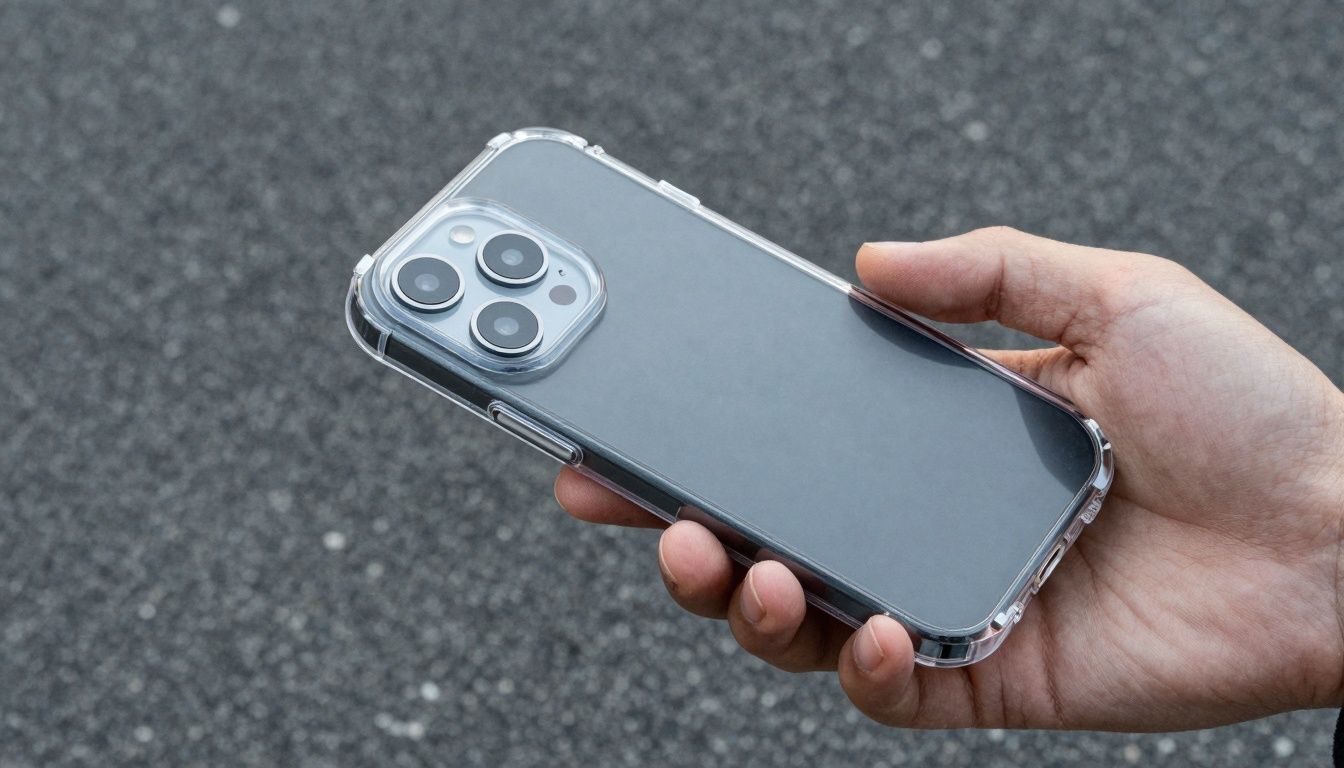
Waterproof cases are designed to create an airtight seal around your smartphone. This seal protects the device from water ingress, but it also introduces a physical barrier—usually a thin plastic or TPU film—over your screen. While modern materials aim for clarity and responsiveness, some users do notice changes in their phone’s touch response after installing a waterproof case.
Why Touch Sensitivity Can Change
There are several practical reasons why a waterproof phone case may alter how your phone’s touchscreen behaves:
The Screen Material Interface
The most common reason has to do with the extra layer between your finger and the screen. This is particularly noticeable if your phone’s screen uses capacitive touch, which detects electrical changes from finger contact.
When a waterproof layer is in place, touch signals may not transfer as efficiently. Some effects you might experience:
- Slight delay in response, especially with gentle taps
- Difficulty typing or using gestures
- Reduced accuracy when drawing or gaming
Screen Protector and Waterproof Case Combo
Using a screen protector inside a waterproof case can further reduce sensitivity. Two layers mean more separation between your input and the screen, which can result in even less precise touch feedback.
Real-World Scenarios: What Australians Experience
Everyday Use
Most modern touchscreen waterproof cases are engineered to balance protection and usability. For daily tasks like messaging, browsing, and answering calls, most users adapt quickly. However, if you perform detailed tasks—such as photo editing or gaming—you may notice increased drag or resistance.
Wet Conditions
Touch sensitivity can change when the screen or the case is wet. With water droplets between the protective cover and your finger, touchscreens may register erratic inputs or none at all. This is particularly relevant for Australians who use their devices at the beach, pool, or during outdoor activities.
Gloves and Accessibility
Many Australians use their phones while wearing gloves, especially in colder regions. Some waterproof cases are designed with this in mind, but most touchscreens (with or without a case) struggle to register gloved touches unless specifically designed to do so.
Tips For Maintaining Good Touch Sensitivity
Here are some practical steps you can take to ensure your waterproof phone case touch sensitivity remains functional:
- Choose cases from reputable manufacturers known for quality testing
- Avoid combining thick screen protectors with waterproof cases
- Keep both your case cover and screen clean to minimise drag and reduce false touches
- Test your case on your device before extended outdoor use to check for compatibility
FAQ
Q1: Do all waterproof cases reduce touch sensitivity?
No, but it’s common to notice some difference, especially with budget or poorly fitting cases. Premium models with thin, high-grade touch materials tend to minimise this effect.
Q2: Can I use a stylus with a waterproof case?
Most standard styluses will work if the case is thin and responsive. However, thicker waterproof layers may not respond as accurately to stylus input.
Q3: Is it safe to use a screen protector inside a waterproof case?
While possible, it often makes the touch less responsive. Thin, high-quality protectors fare better, but doubling up on layers usually increases input lag.
Practical takeaway
Waterproof cases are invaluable for protecting smartphones in Australian conditions, but some impact on touch sensitivity is possible, especially with added layers or in wet conditions. Choosing a case made with touch performance in mind and testing your setup before outdoor adventures can help you strike the right balance between protection and usability.