


Common Waterproof Phone Case Failures and How to Avoid Them
Posted by New Case on 23rd Dec 2025
Using a waterproof phone case gives many Australians peace of mind at the beach, by the pool, or during adventure travel. However, even robust cases can experience failures, leading to leaks and potentially costly water damage. Understanding how and why waterproof phone case leaks occur can help you avoid the most common pitfalls.
Recognising Typical Waterproof Case Failures
Waterproof cases are designed to keep your device dry, but no case is entirely foolproof. Common points of failure often relate to design, user error, or gradual wear and tear.
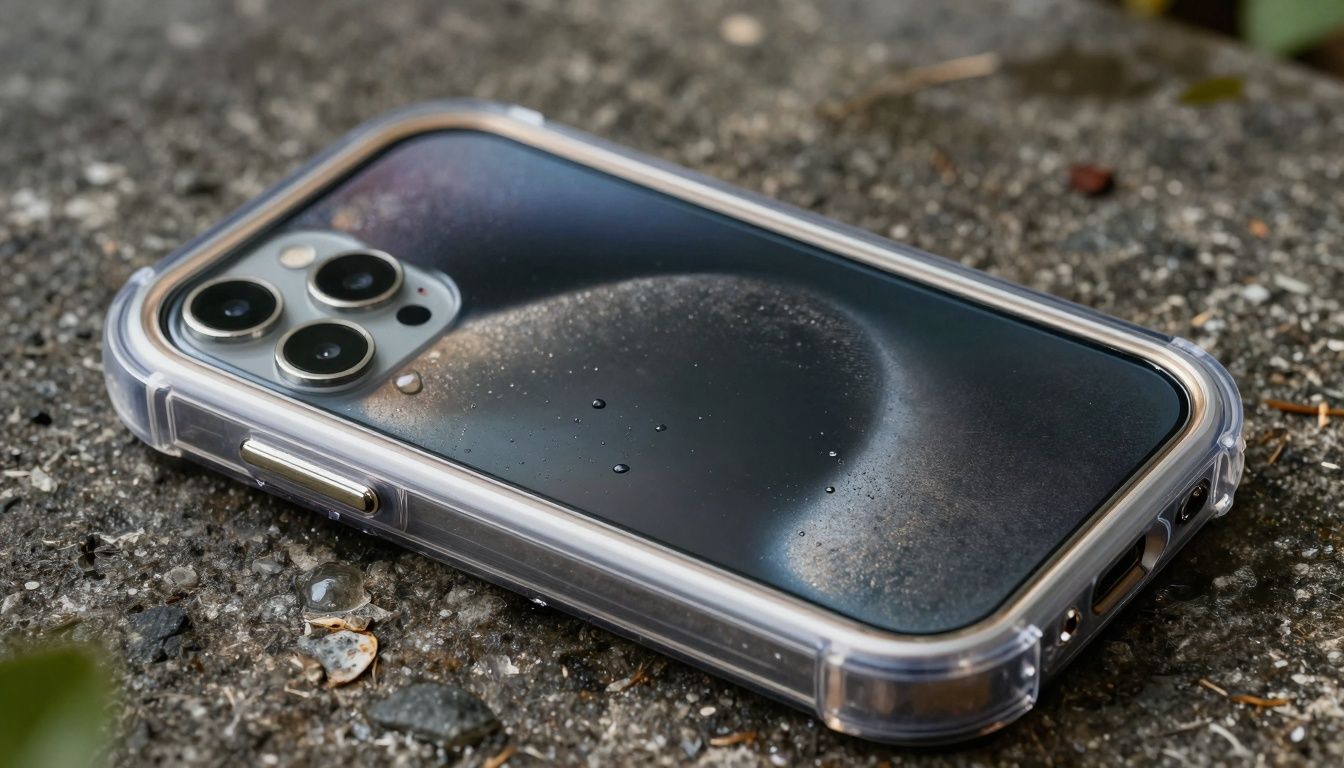
Worn or Misaligned Seals
The seal is the critical component that keeps water out. Over time, seals can degrade due to repeated use, exposure to salt water, or accidental stretching. If the waterproof case seal isn’t properly aligned or has debris trapped in it, water can slip through. It’s not unusual for small grains of sand or lint to compromise the tightness of the closure.
Cracks and Invisible Damage
A drop or knock—common in real-life scenarios—may cause hairline cracks at sensitive points, particularly near charging ports or hinges. These cracks may not be visible at a glance, but can still lead to waterproof phone case leaks.
Inadequate Testing
Many people trust their new case straight out of the packaging. However, factory faults or manufacturing variances mean even a brand new case could leak. Inadequate waterproof case testing at home is a surprisingly frequent cause of device exposure.
How to Prevent Waterproof Case Leaks
Knowing what leads to waterproof case failures is the first step. Here’s how to strengthen your phone’s defence against water damage:
Inspect the Seal Regularly
Make it a habit to check the rubber or silicone seal before each use. Watch for:
- Visible wear, cracks, or stiff sections
- Sand, hair, or lint on the sealing surface
- Proper closure, ensuring no gaps remain
Clean the seal gently with a damp cloth if needed, avoiding harsh cleaners that can degrade the material.
Always Perform a Pre-use Test
Before trusting your phone to the case, run a simple waterproof case testing routine:
- Close the empty case as you would around your phone.
- Submerge it in a sink of water for at least five minutes.
- Dry the case thoroughly on the outside before opening.
- Check for any internal moisture or droplets.
This quick check is particularly useful before holidays, or after the case has been dropped.
Replace Cases Showing Signs of Wear
No case lasts forever. If you notice the seal has lost elasticity, or the case body shows stress marks or minor splits, it’s best to retire it. Even small defects can result in significant leaks when the phone is submerged or splashed.
Be Mindful in Extreme Conditions
High temperatures can warp plastics and rubbers, while saltwater accelerates material breakdown. Australia’s harsh coastal environments are particularly tough on cases. Rinse your case with fresh water after saltwater use, and avoid leaving it in direct sunlight for long periods.
Use Accessories as Designed
Some cases offer lanyards or locking mechanisms to help keep them sealed. Use these features properly, and never force the case closed over a bulky phone accessory, as this may hinder the seal’s effectiveness.
FAQ
Q: How can I tell if my waterproof phone case is truly sealed before use?
A: Always submerge the closed, empty case and check thoroughly for leaks before entrusting your device inside. Inspect for water droplets inside after testing.
Q: What should I do if I see moisture inside my case after use?
A: Remove your device promptly, dry both the device and case, and inspect the seal for defects or debris. Discontinue use until you resolve the cause.
Q: Are all waterproof phone cases suitable for saltwater activities?
A: Not all are. Always check the product’s ratings, and rinse your case with fresh water after exposure to salt to prevent material degradation.
Practical takeaway
A waterproof phone case is only as effective as its seal and your care in using it. Check regularly for wear, perform basic waterproof case testing, and handle the case as recommended to help your device stay dry, whatever the adventure.