


Decoding Phone Case Marketing Claims: What Do They Really Mean?
Posted by New Case on 8th Mar 2026
When shopping for a new phone case, you're often met with a barrage of technical terms and impressive-sounding claims. Phrases like "military grade" and "drop tested" are common, but it can be difficult to know what these phone case marketing claims actually signify for your device's safety.
Understanding this terminology helps you look past the hype and make a more informed decision based on your real-world needs. This guide breaks down what some of the most common marketing phrases truly mean.
What Does "Military Grade" Mean for a Phone Case?
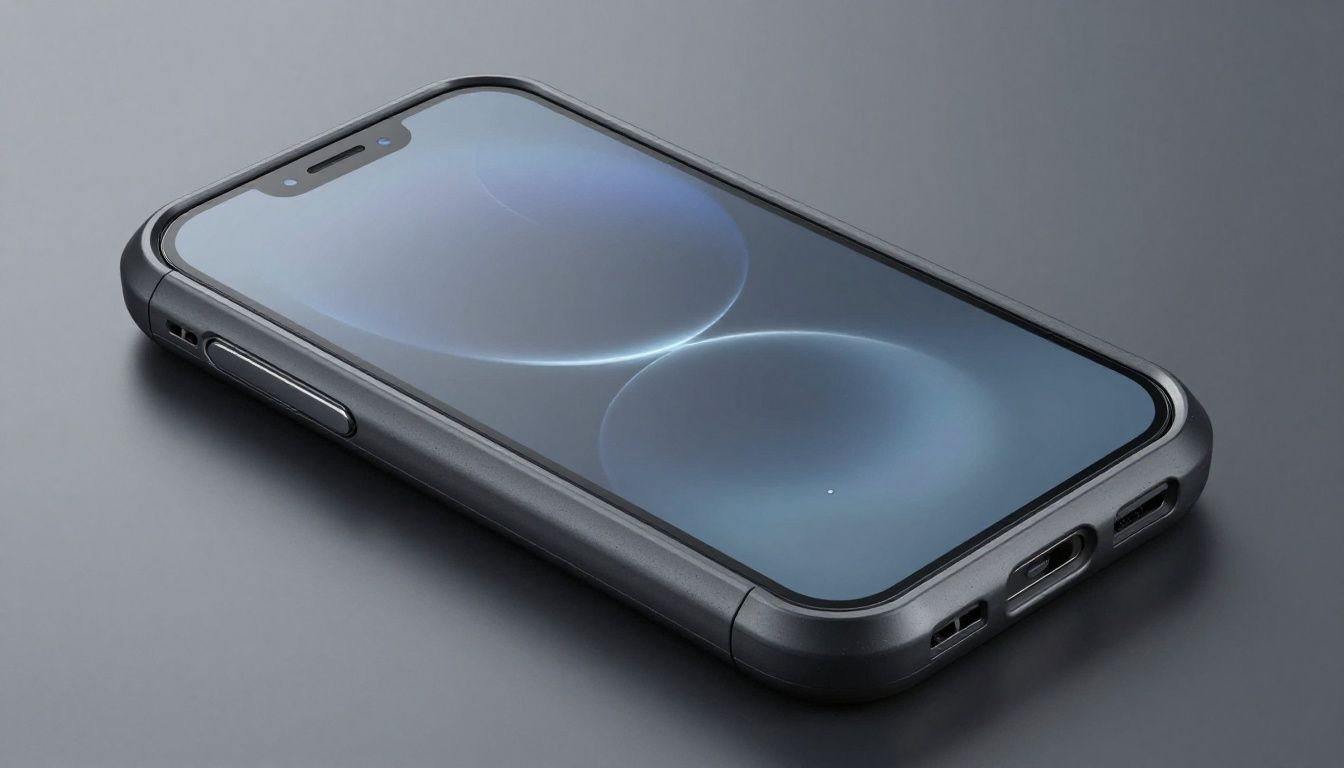
The term "military grade" can be misleading. It doesn’t mean the case is used by the armed forces or that it has received an official military endorsement. Instead, it typically means the case has been tested against one or more standards outlined in a document called MIL-STD-810.
This is a set of testing guidelines created by the U.S. military to gauge the durability of equipment. For phone cases, the relevant test is usually Method 516.6, which relates to shock and drop protection. However, manufacturers usually perform these tests themselves, and the conditions can vary. It's a helpful indicator of toughness, but not an independent certification.
The Limits of the Label
While a case marketed as military grade has likely undergone some form of drop testing, the label itself doesn't tell you the whole story. It's a starting point that suggests a higher level of durability, but the specifics of the testing are what really count.
Understanding "Drop Tested" Claims
"Drop tested" is a broader and more direct claim, but it can also lack important context. Simply stating a case is drop tested doesn't tell you much about the level of protection it offers. The value of this claim lies in the details.
To properly understand the drop tested meaning, you need to ask a few more questions about the testing process.
Key Factors in Drop Testing
When a manufacturer provides more information, look for these key variables:
- Drop Height: A case tested from a height of three metres offers significantly more protection than one tested from one metre. Consider the likely scenarios for your own phone – are you dropping it from pocket height or from a ladder?
- Impact Surface: The surface the case was dropped onto is critical. A fall onto carpet is far less damaging than a fall onto concrete or asphalt. The toughest tests are performed on hard, unforgiving surfaces.
- Number of Drops: A case that survives a single drop is good, but one that withstands multiple impacts on its corners, face, and back is better. Repetitive testing gives a more realistic picture of durability.
Navigating Waterproof and Water-Resistant Ratings
Many modern smartphones come with their own water-resistance, but specialised cases can offer enhanced or prolonged protection. The terms "waterproof" and "water-resistant" are often used interchangeably, but they have different meanings, usually defined by an IP rating.
Breaking Down IP Ratings
IP, or Ingress Protection, ratings are a standardised way to measure how well a device or case can prevent solids and liquids from getting inside. The rating consists of two numbers.
- First Digit (Solids): This ranges from 0 to 6 and measures protection against things like dust and dirt. A rating of 6 means it's completely dust-tight.
- Second Digit (Liquids): This ranges from 0 to 9 and measures protection against water. A rating of 7 means it can be submerged in up to 1 metre of water for 30 minutes, while an 8 rating means it can handle submersion in deeper water for longer (the exact depth and time are set by the manufacturer).
For example, a case with an IP68 rating offers excellent protection against both dust and water, making it suitable for beach trips or dusty work environments.
FAQ
Is a "military grade" case indestructible?
No. This claim means the case has passed a specific type of drop test under controlled conditions. It provides a high level of protection against impacts but doesn't make your phone immune to damage from a severe fall or unusual impact.
Do I need a waterproof case if my phone is already water-resistant?
It depends on your activities. For everyday splashes or being caught in the rain, your phone's built-in resistance is often enough. If you plan to take your phone swimming, snorkelling, or boating, a dedicated waterproof case provides an essential extra layer of security against prolonged submersion.
Does a thicker case always mean better protection?
Not necessarily. While extra material can help cushion a fall, modern case design and advanced materials are more important. A well-designed, slim case made from shock-absorbent polymers can offer excellent protection without the bulk of a poorly designed thick case.
Practical takeaway
Phone case marketing claims are a useful starting point, but the real value is in the details. Look beyond the buzzwords and consider the specific data, such as the drop height or IP rating. The best way to choose a case is to match its proven protective features to the real-life risks your phone faces every day.