


Do Phone Cases Really Protect Screens From Damage?
Posted by New Case on 3rd Mar 2026
It’s a moment every phone owner dreads: the slow-motion slip from your hand, the heart-stopping fall, and the anxious flip to check for a cracked screen. We often rely on a phone case to prevent this, but do phone cases protect screens as much as we hope?
The answer isn't a simple yes or no. While a case is a critical part of your phone's defence, its effectiveness depends on the design of the case and the nature of the fall.
How Phone Cases Provide Screen Protection
A well-designed phone case primarily protects your screen in two ways: by absorbing shock and by creating distance between the screen and the surface it hits.
Shock Absorption
When a phone is dropped, the force of the impact has to go somewhere. The materials used in many cases, like silicone, thermoplastic polyurethane (TPU), or multi-layer designs, are engineered to absorb and disperse that shock. By taking the brunt of the impact, the case reduces the force that travels through the phone's frame and into the fragile glass screen, lowering the risk of phone screen damage.
Raised Edges
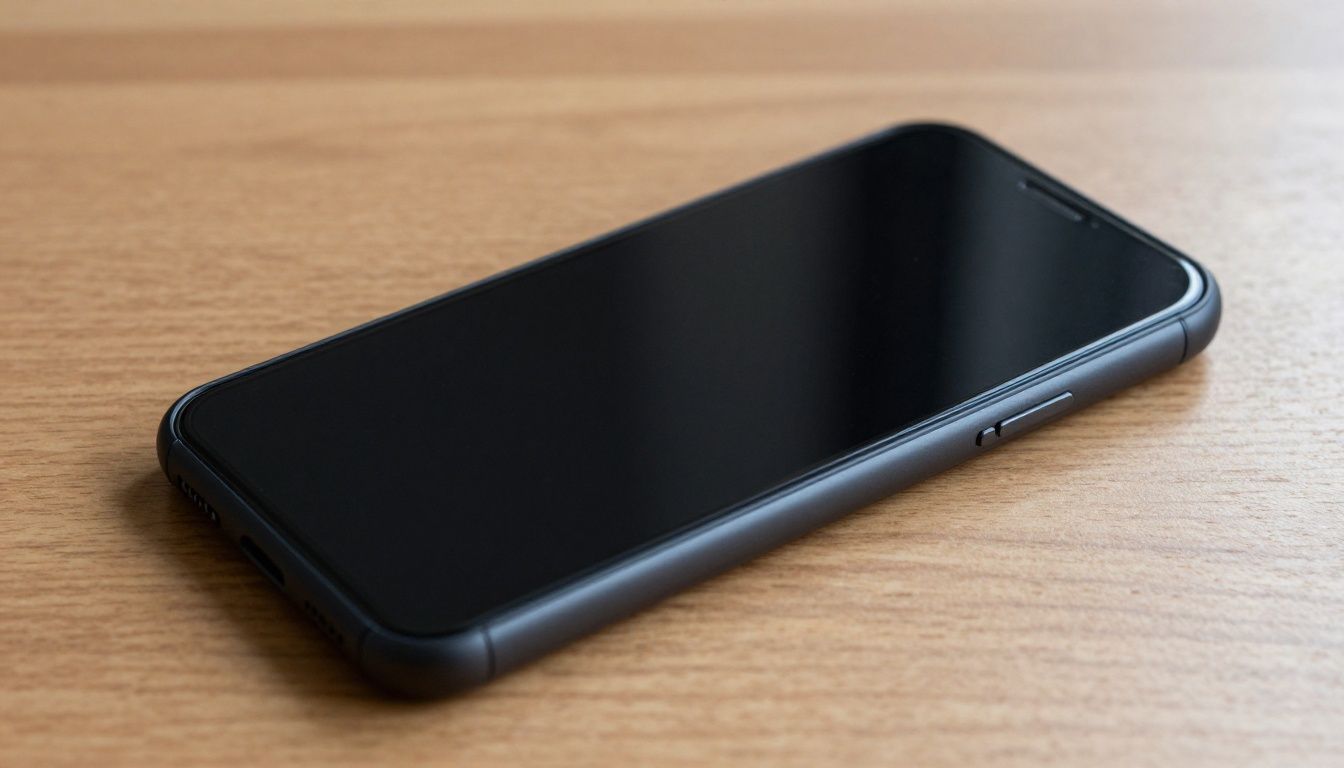
A crucial design feature for screen protection is a raised lip or bezel that extends slightly above the screen's surface. When the phone falls flat on a surface like a footpath or floorboards, this raised edge makes contact first, preventing the glass from slapping directly against the ground. It’s a simple but highly effective way to guard against common face-down drops.
The Limits of a Phone Case
Even the toughest case has its limits. A case offers excellent protection against drops onto flat surfaces, but it can't guarantee safety in every scenario. The biggest threat is a direct impact on the screen itself.
If your phone falls onto an uneven surface, like gravel, or hits the corner of a step, a small, sharp point can strike the screen directly. In these situations, the case's raised edges and shock absorption can't prevent the focused pressure on the glass, which often leads to a crack. Similarly, a fall from a significant height can generate more force than the case is designed to handle.
Screen Protector vs Case: Do You Need Both?
This brings up a common question: is it better to have a screen protector or a case? The most practical approach is to see them as two different tools that work together for comprehensive screen protection.
- A phone case is designed to protect the entire device—the body, corners, and internal components—from the shock of a drop. Its raised lip provides indirect screen protection.
- A screen protector is designed for one job: to be a sacrificial layer that shields the screen itself from direct harm, including scratches, scuffs, and direct impacts.
Think of it this way: the case is the helmet for your phone, protecting it from the overall impact of a fall. The screen protector is the visor, defending the glass from direct hits and scratches. Using both gives you the best chance of avoiding phone screen damage in the widest range of real-world accidents.
Frequently Asked Questions
Will a cheap case from a market stall protect my screen?
It might offer minimal scratch protection for the back of your phone, but it's unlikely to provide meaningful screen protection. Effective cases rely on quality, shock-absorbent materials and design features like a raised bezel. Many cheap, flimsy cases lack these and won't do much to prevent a cracked screen during a drop.
I have a screen protector, do I still need a case?
Yes, it's highly recommended. A screen protector only guards the glass surface. It does nothing to protect your phone's corners, sides, or back. A drop can still damage the phone's internal electronics or dent the frame, even if the screen itself survives. A case absorbs the damaging shock from the impact.
Does a folio or wallet case offer better screen protection?
The cover on a folio case provides excellent protection against scratches when your phone is in a bag or pocket. However, during a fall, the cover can sometimes fly open, leaving the screen exposed. While helpful, its drop protection might not be as reliable as a standard case with a raised lip, which is always in place.
Practical takeaway
A quality phone case is an essential first line of defence and absolutely helps protect your screen from common drops, especially those with a raised edge. However, it can't prevent damage from direct, sharp impacts to the glass. For the most reliable screen protection, pairing a well-designed case with a quality screen protector is the smartest and most effective strategy.