


Finding the Best Phone Case for Your Australian Lifestyle
Posted by New Case on 12th Feb 2026
Choosing a new mobile phone case can feel overwhelming. With so many options available, the 'best' one isn't a one-size-fits-all solution. The right choice depends entirely on your daily life, from your commute and job to how you spend your weekends.
A case that’s perfect for an office worker in Melbourne might not suit a tradie in Perth or a beachgoer in Queensland. This guide will help you think about your own routine to find the best phone case Australia has for your specific needs, focusing on practical features over flashy trends.
Matching Your Case to Your Daily Routine
The most effective way to choose a case is to consider the environments your phone will be in most often. A case should solve problems, not just look good.
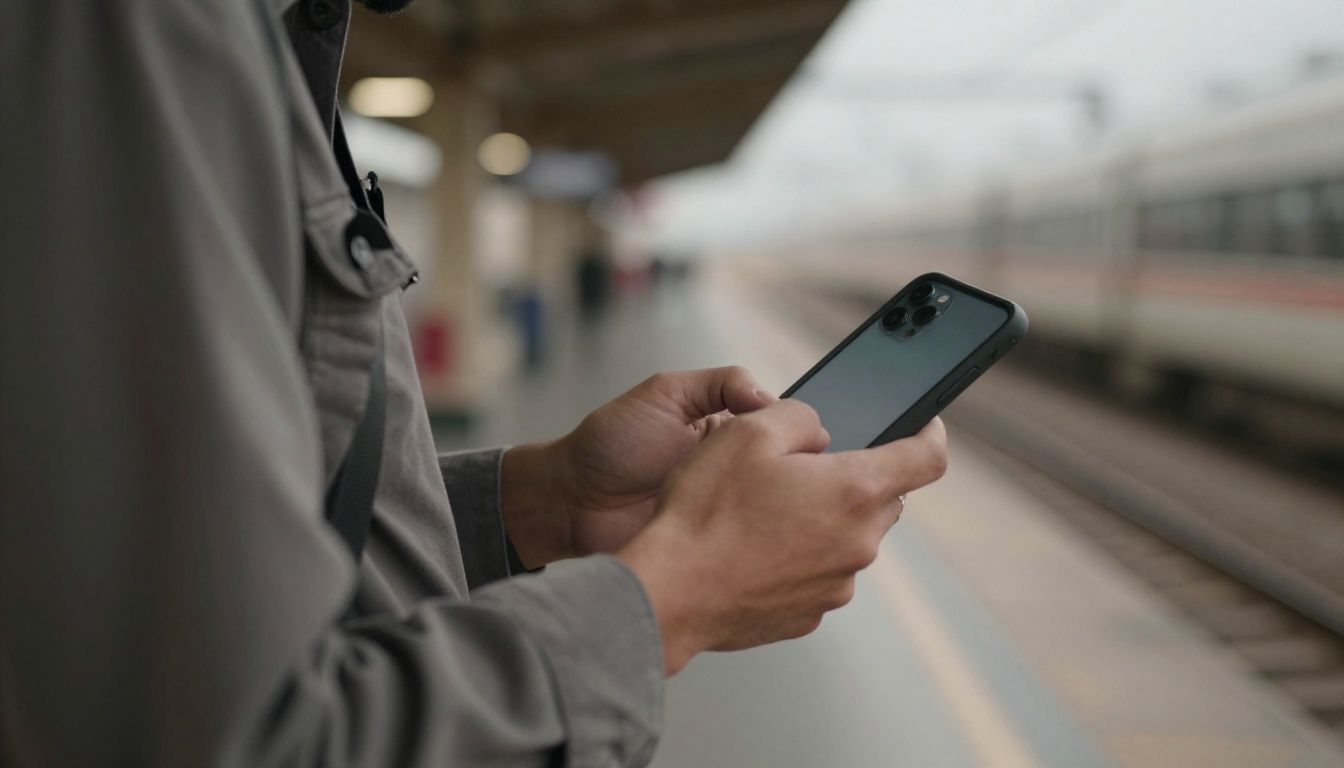
The Urban Commuter
If your day involves navigating busy footpaths, crowded trains, or buses, your needs are specific. You’re likely pulling your phone from a pocket or bag frequently, increasing the chance of an accidental drop onto hard pavement.
For this scenario, a slim-profile case is often ideal. It provides protection without adding unnecessary bulk, making it easy to handle. Look for cases made from TPU (Thermoplastic Polyurethane), which offers excellent shock absorption for its size and a grippy texture that helps prevent slips.
The Outdoor Adventurer
For those who spend their weekends hiking in the Blue Mountains, camping, or hitting the surf, everyday phone protection takes on a new meaning. Your phone is exposed to dust, moisture, and the risk of being dropped on uneven, unforgiving surfaces like rocks or dirt tracks.
A more rugged, durable phone case is a sensible investment. These often feature multi-layer construction, combining a soft, shock-absorbing inner layer with a hard polycarbonate outer shell. Reinforced corners and port covers to keep out debris are also valuable features for outdoor use.
The Busy Parent or Tradie
Life on a construction site or in a household with young children presents the ultimate test for any phone case. The risks are constant and unpredictable, from falling off a ladder to being knocked off a kitchen counter by a toddler.
In these situations, maximum durability is non-negotiable. Heavy-duty cases are designed for high-impact absorption. A key feature to look for is a prominent raised edge (or 'lip') around the screen and camera lenses, which provides critical protection if the phone lands face-down.
Key Features for Everyday Phone Protection
Beyond matching a case to a lifestyle, certain design elements are universally important for keeping your device safe.
Material Matters
The material of a case dictates its feel, look, and level of protection.
- Silicone: Soft, very grippy, and great for preventing minor scratches and scuffs.
- TPU: A flexible, durable plastic that absorbs shock well. It’s a fantastic all-rounder for most people.
- Polycarbonate (PC): A rigid, hard plastic that excels at preventing scratches and provides structural strength.
- Hybrid: Many of the most effective cases combine TPU and PC to get the benefits of both materials—a flexible frame for shock absorption and a hard back for rigidity.
Design and Functionality
A well-designed case offers more than just a protective shell. Small details make a big difference in real-world use. A textured finish can dramatically improve your grip, preventing many drops from happening in the first place.
Consider the trade-off between bulk and protection. While a thicker case generally offers more safety, it can make the phone cumbersome. Modern case design has come a long way, and it's now possible to find slim cases that still provide substantial drop protection.
Frequently Asked Questions
Do I really need a heavy-duty case for city life?
Not always. For most people, a quality slim case made from shock-absorbent material like TPU is sufficient for protection against common drops on pavement. A heavy-duty case is better suited for high-risk jobs or hobbies.
Will a thicker case interfere with wireless charging?
Most cases under 5mm thick are designed to be fully compatible with wireless charging. However, extremely rugged multi-layer cases or those with metal components can sometimes cause interference. It's always best to check the product details.
How often should I replace my phone case?
You should inspect your case for damage after any significant drop. If you see any cracks in a hard case or if a softer case has become loose or stretched, its protective qualities are compromised and it’s time for a replacement.
Practical takeaway
The best phone case for you is one that seamlessly fits your life in Australia. By honestly assessing your daily activities and the potential risks to your phone, you can choose a case with the right materials and features to provide reliable, everyday phone protection.