


How Many Drops Can a Phone Case Handle?
Posted by New Case on 13th Jan 2026
Protecting your smartphone from drops is an everyday priority. Whether you’re rushing for a tram or your hands are full juggling groceries, a single slip can mean a cracked screen or worse. The effectiveness of phone cases at withstanding drops—commonly called phone case drop protection—varies widely. If you’ve ever wondered how many drops a phone case can realistically handle, this guide offers practical advice for Australian users.
What Does Drop Protection Actually Mean?
When manufacturers talk about drop protection, they're referring to a case’s ability to shield your device from damage when it falls from a certain height. Some cases are advertised as “military grade” or “rugged”, but what does that mean in practice? Typically, drop protection ratings are based on real-world drop tests, using neutral smartphones and rigid testing methods.
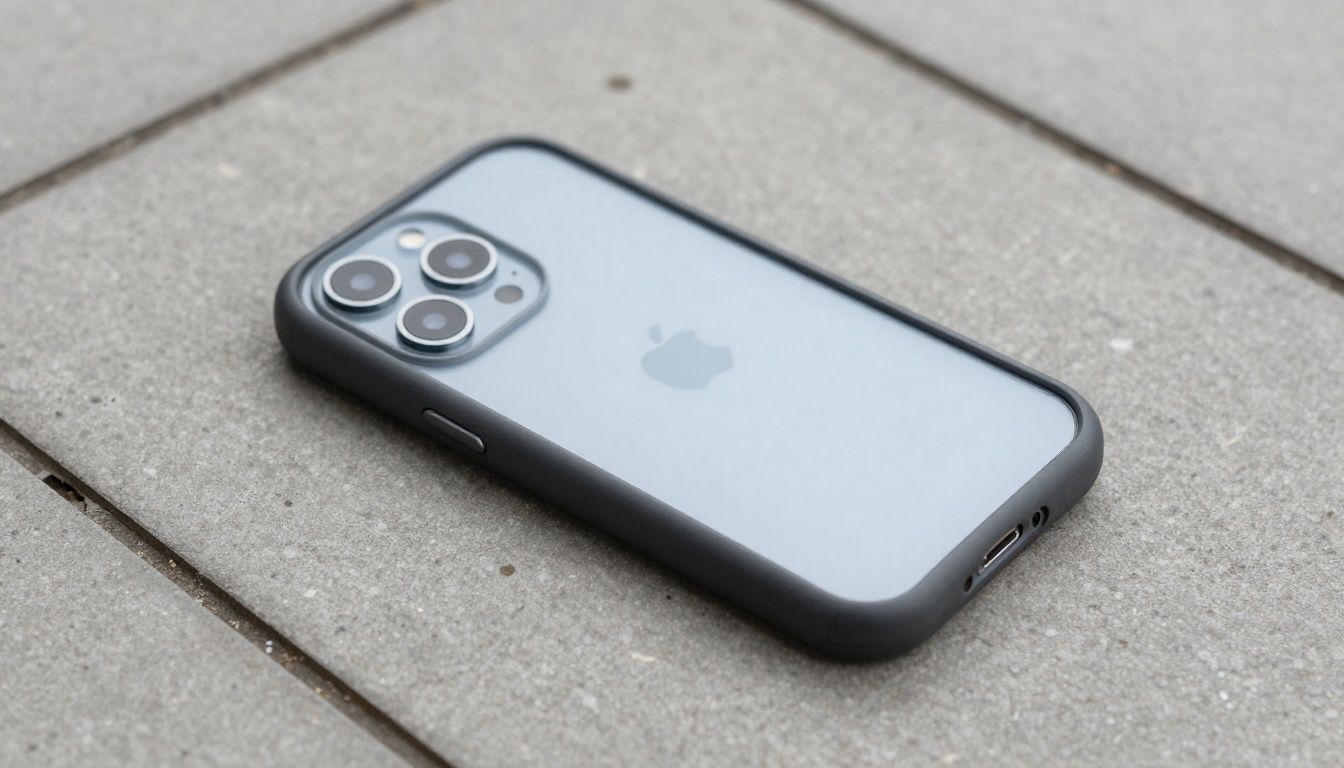
For example, cases with “military grade” claims often reference the US MIL-STD-810G standard, which involves repeated drops from about 1.2 metres onto various surfaces. However, these ratings don’t guarantee your phone will survive all accidents because real-life drops rarely happen under controlled conditions. Australian users should think of these standards as useful indicators, not absolute promises.
Factors That Affect How Many Drops a Case Can Withstand
Material and Construction
Cases made from high-impact silicone or thermoplastic polyurethane (TPU) tend to absorb shocks better than thinner, rigid plastics. Dual-layered cases—some featuring a hard outer shell with a softer interior—offer further protection, distributing force across more of the case rather than focusing it at the point of impact.
Design Features
Key features that contribute to tested drop protection include:
- Raised edges to protect the screen and camera from flat drops
- Reinforced corners, as corners are most likely to hit the ground first
- Textured or rubberised finishes for improved grip, minimising the chance of drops to start with
Number of Drops and Wear Over Time
No case lasts forever. Over time, the material can fatigue. A new rugged case might absorb a dozen drops from waist height without issue, but repeat impacts—especially on hard surfaces—can compromise its integrity. Hairline cracks, loose fit, or dented corners mean it's time to assess if the case is still offering adequate protection.
Military Grade and Rugged Case Durability: What’s Realistic?
Not all drops are equal. A fall onto a soft rug is different from one onto concrete. Rugged and military grade cases are designed to tolerate higher frequency and severity of impacts, often enduring several drops before showing signs of wear. Still, after repeated significant collisions, even the toughest case may start to weaken.
- Most “military grade” cases survive at least 10 drops from standard heights during lab testing.
- After multiple hard landings, especially on varied edges and corners, effectiveness may decline.
Australian conditions—from city streets to sandy beaches—add further challenges like grit and moisture. If your case starts showing stretch marks, gaps, or worn-down corners, its ability to protect is reduced.
When Should You Replace Your Phone Case?
Monitoring your case’s condition is a practical step often overlooked. Signs your case’s drop protection may be compromised include:
- The case no longer fits snugly
- Visible cracks in shock-absorbing sections
- Loose or damaged corner protection
- Noticeably scratched or warped exterior
Regularly check your phone case, especially if you’ve dropped your phone a few times. Continual use past its prime can leave your device exposed to costly damage.
FAQ
How do I know if my phone case still offers good drop protection?
Inspect your case for cracks, loose corners, or a sloppy fit. If you notice any of these signs, or if the case no longer feels secure after a drop, consider replacing it.
Are military grade cases actually worth it?
They generally offer superior drop protection due to reinforced materials and construction, though their bulkiness isn’t for everyone. Consider your lifestyle and risk of regular drops.
Does the drop height on the packaging represent real-world conditions?
Drop heights advertised are based on testing, but actual results may vary in daily life based on surface type, drop angle, and repeated use.
Practical takeaway
Phone case drop protection is as much about ongoing durability as it is about initial strength. A well-made case may survive multiple drops, but regular checks and timely replacement are key for ongoing protection—helping your device stay safe in everyday Australian life.