


How to Choose the Best Phone Case for Seniors
Posted by New Case on 18th Feb 2026
As mobile phones become essential for staying connected, choosing the right accessories is more important than ever. For many older Australians, the ideal phone case isn't about the latest trend but about practicality, safety, and ease of use. A good phone case for seniors can make a world of difference in daily handling and provide peace of mind.
This guide explores the key features to consider, helping you find a case that offers confidence and protection without unnecessary complexity.
Key Features in a Phone Case for Seniors
When selecting a case, the focus should be on functional design. The goal is to make the mobile easier to hold, harder to break, and simpler to use. A few core characteristics stand out as particularly beneficial.
Enhanced Grip and Handling
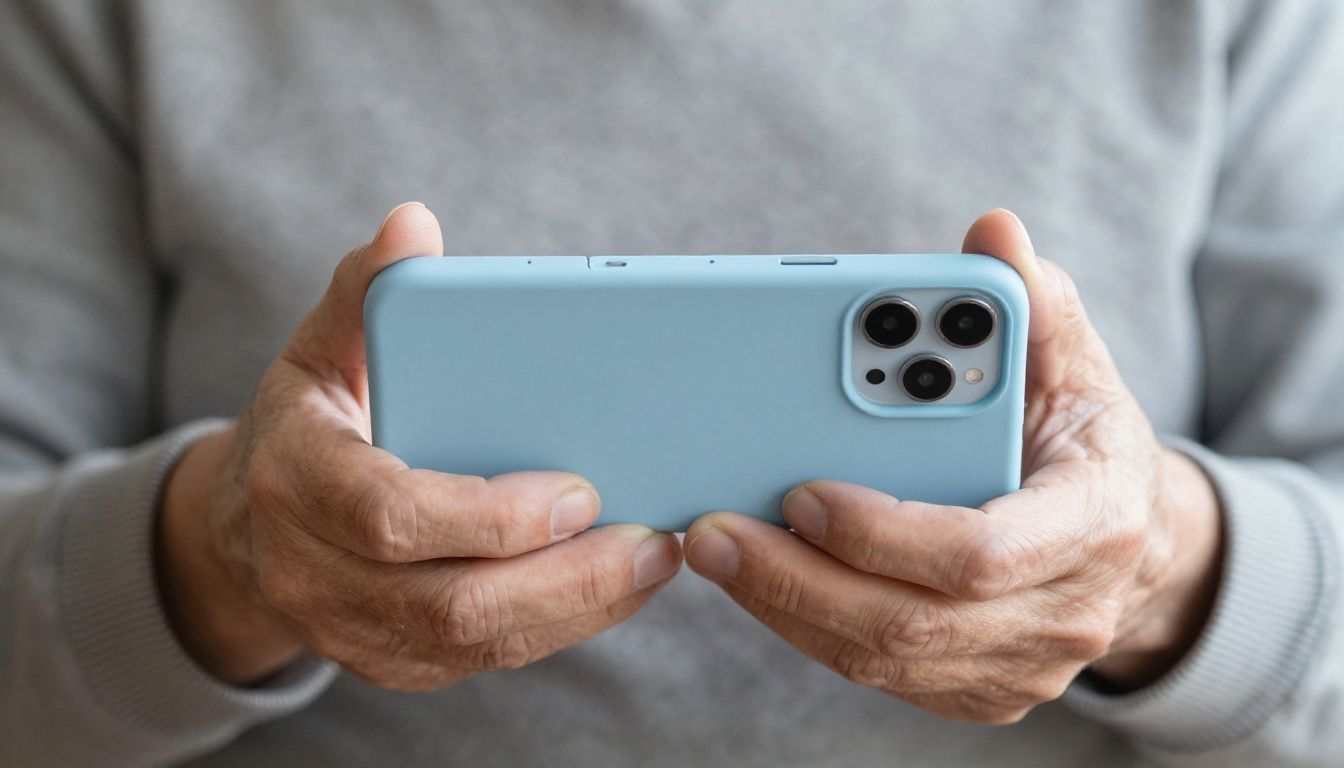
One of the most common ways phones get damaged is by slipping from one's hands. An easy grip phone case is a simple but effective solution. Look for cases made from materials like silicone, thermoplastic polyurethane (TPU), or those with a textured finish.
These materials provide a tactile, non-slip surface that feels secure to hold. This added friction can significantly reduce the likelihood of accidental drops, whether you're taking a call, browsing photos, or carrying the phone from room to room.
Robust Drop Protection
A protective phone case is crucial for safeguarding a device against the inevitable bumps and falls. Modern cases can offer substantial protection without being excessively bulky. Important features include reinforced corners, which absorb impact where it's most likely to occur.
Also, consider a case with a raised bezel or lip around the screen and camera lenses. This small design detail ensures that if the phone is placed face down or dropped flat, the glass surfaces don't make direct contact with the ground.
Simplicity and Ease of Use
Complex features can often hinder rather than help. A simple phone case with a straightforward, one-piece design is usually the most practical choice. It should be easy to put on and take off without requiring force or special tools.
Pay attention to the button covers and port cut-outs. The case should allow for easy pressing of the volume and power buttons, and the charging port should be easily accessible without needing to remove the case. Avoid designs with fiddly latches, clasps, or sliding parts.
Visibility and Colour
A brightly coloured case can be a surprisingly useful feature. A phone in a black or dark case can easily get lost in a handbag, on a dark sofa, or in a dimly lit room. A case in a vibrant colour like red, blue, or green makes the device much easier to spot, saving time and frustration.
Helpful Accessories to Consider
Beyond the case itself, a couple of other accessories can further enhance the safety and usability of a mobile phone for an older user.
Lanyards and Straps
Many modern cases include attachment points for a lanyard or wrist strap. This allows the user to wear the phone around their neck or secure it to their wrist, freeing up their hands and preventing it from being dropped or left behind when out and about.
Screen Protectors
While a case with a raised edge offers good protection, a dedicated screen protector provides an extra layer of defence against scratches, scuffs, and cracks. A tempered glass screen protector is a durable option that doesn't interfere with the screen's touch sensitivity.
Frequently Asked Questions
Are bulky, heavy-duty cases always the best option?
Not necessarily. While they offer maximum protection, they can also be heavy and difficult to hold, especially for those with dexterity issues. It's often better to find a balance: a slim but protective phone case that offers a secure grip.
What's more important: grip or drop protection?
Both are vital, but they work together. A case with excellent grip helps prevent the drop from happening in the first place. Good drop protection is the safety net for when accidents do occur. Ideally, you should prioritise both.
Do I need a case with a cover for the screen?
Folio or wallet-style cases with a front cover can provide excellent screen protection. However, some people find the flap cumbersome to manage when answering calls. A simple phone case paired with a separate tempered glass screen protector is often a more practical combination.
Practical takeaway
The best phone case for seniors is one that makes the device feel safer and more comfortable to use. Prioritise a design that offers an easy grip, reliable drop protection, and straightforward access to all buttons and ports. By focusing on these practical elements, you can find a case that provides genuine, everyday value.