


How to Protect Your Phone on Holiday
Posted by New Case on 16th Feb 2026
When you're travelling, your phone is more than just a communication device. It's your navigator, camera, travel guide, and connection to home. Keeping it safe and functional is essential for a smooth and enjoyable trip. A little preparation can help you protect your phone on holiday, avoiding common mishaps like cracked screens, water damage, or theft.
This guide offers practical steps for keeping your device secure, from the beaches of Queensland to the bustling streets of an overseas city.
Physical Protection from Drops and Knocks
Your phone is at a higher risk of being dropped when you're on the move, navigating unfamiliar places, or taking photos from unique angles. A simple slip can lead to a cracked screen or damaged internal components, a problem no one wants to deal with while away from home.
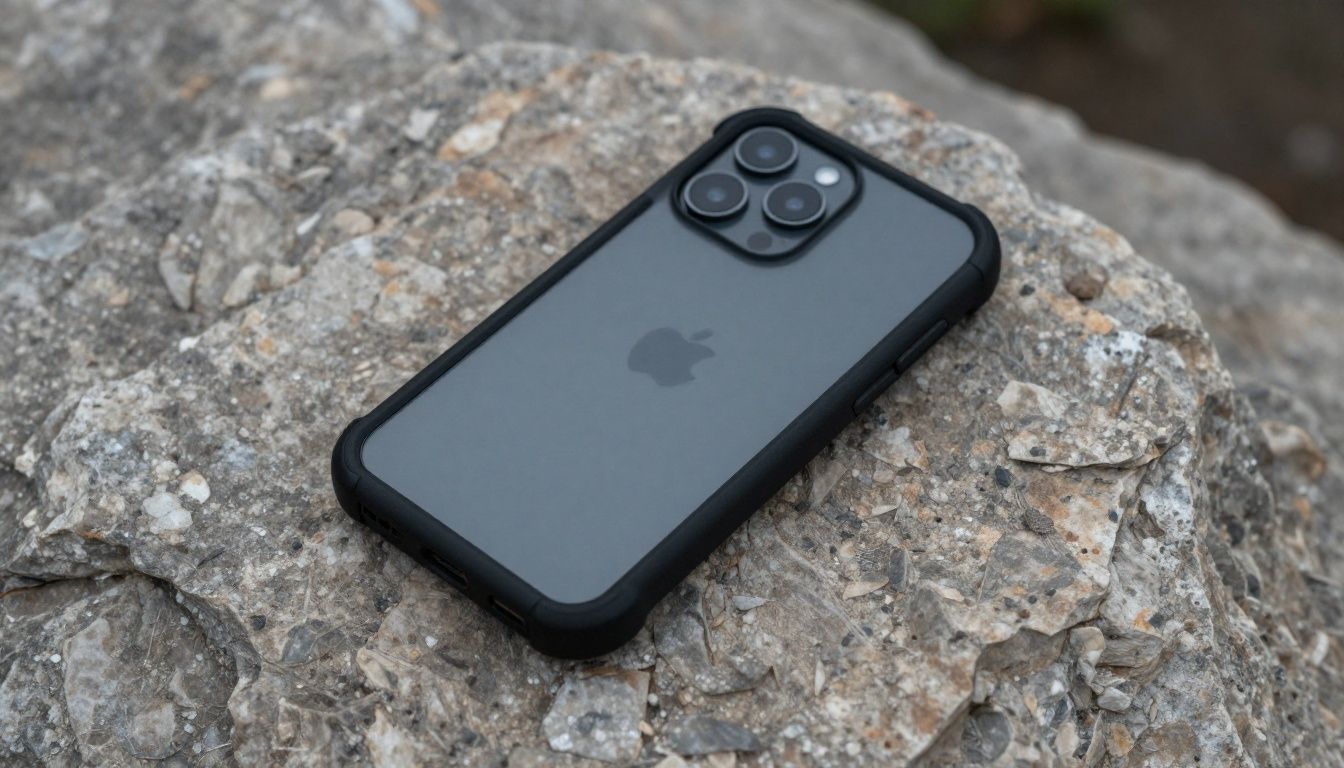
A quality shockproof phone case is a sensible first line of defence. These cases are designed to absorb the impact from falls, significantly reducing the chance of damage. Paired with a tempered glass screen protector, you can guard against both scratches from keys in your bag and the dreaded screen shatter from a drop onto a hard surface.
Guarding Against Water, Sand, and Sun
Holiday environments often involve elements that are hostile to electronics. Whether you're at the beach, by the pool, or even on a ski trip, water, sand, and extreme temperatures pose a real threat.
Even phones rated as 'water-resistant' are not fully immune to damage, especially from saltwater or chlorinated pool water, which can corrode seals and charging ports. For true peace of mind near water, consider a waterproof phone case or a sealed pouch. This type of travel phone protection allows you to take photos in or around water without risk.
Sand is another enemy, easily working its way into charging ports and speaker grilles, causing blockages or scratches. A well-fitted case can help seal these entry points. Also, be mindful of leaving your phone in direct sunlight on a hot day, as overheating can permanently damage the battery and internal electronics.
Keeping Your Data Secure
Physical safety is only half the battle. Protecting the data on your phone is just as important, especially when travelling.
Start with the basics: ensure your phone is locked with a strong passcode, fingerprint, or facial recognition. This simple step can prevent unauthorised access if your phone is lost or stolen.
Be cautious when using public Wi-Fi networks at airports, cafes, or hotels. These networks can be insecure, potentially exposing your personal information. For sensitive activities like online banking, it's safer to use your mobile data or a trusted Virtual Private Network (VPN).
Preventing Theft
Opportunistic theft is a common concern in busy tourist areas. The key is to be mindful of your surroundings and make your phone a less tempting target.
Avoid leaving your device unattended on a table at a cafe or restaurant. When walking through crowded places, keep your phone in a secure front pocket or a zipped compartment in your bag, rather than a back pocket where it's easily accessible.
Frequently Asked Questions
Is my water-resistant phone safe for the pool or ocean?
Not necessarily. Water resistance ratings are for fresh water under lab conditions. Saltwater and pool chemicals can degrade the seals over time. For reliable protection, a dedicated waterproof phone case is the safest option.
Do I really need a bulky case for my holiday?
It depends on your plans. For a relaxed city break, a slim, stylish case might be sufficient. However, if your holiday involves hiking, adventure sports, or other rugged activities, a more robust, shockproof phone case provides valuable protection.
What's the best way to charge my phone safely overseas?
Use a high-quality travel adapter from a reputable Australian brand. Cheap, uncertified adapters can fail to regulate power correctly, leading to power surges that can permanently damage your phone's battery and charging port.
Practical takeaway
Taking a few simple precautions is the most effective way to protect your phone on holiday. By combining a suitable case for physical defence with smart habits for digital security and theft prevention, you can ensure your phone remains a helpful tool, not a source of stress, throughout your travels.