


Is a Thicker Phone Case Always More Protective?
Posted by New Case on 1st Mar 2026
When choosing a new case for your smartphone, it's a common belief that a thicker case automatically means better protection. While there's some logic to this idea, the relationship between phone case thickness and safety isn't quite so simple. The best protection often comes from smart design, not just sheer bulk.
This article explores the factors that truly contribute to keeping your device safe from everyday bumps and accidental drops, helping you understand what to look for beyond just size.
The Role of Thickness in Phone Protection
At a basic level, thickness provides a buffer. More material between your phone and a hard surface, like the pavement on a Melbourne street, can help dissipate the force of an impact. A thicker case creates more distance, which can be crucial in preventing cracks and internal damage.
However, the effectiveness of this buffering depends heavily on the material used. A thick case made from a poor-quality, rigid plastic might crack on impact, transferring much of the shock directly to your phone. The conversation around thick phone case protection needs to include material science and design.
Beyond Bulk: What Really Matters for Drop Protection
Modern phone cases rely on clever engineering more than just size. Several key elements work together to provide superior drop protection without unnecessary weight or volume.
Material Science and Composition
The materials used in a case are arguably the most important factor. Different materials have unique properties:
- TPU (Thermoplastic Polyurethane): This flexible, rubber-like material is excellent at absorbing shock. It's durable and provides a good grip, making it a popular choice for protective cases.
- Polycarbonate (PC): A tough, rigid plastic that provides excellent structural integrity and scratch resistance. It's often used for the hard outer shell of a case.
- Silicone: Soft and grippy, silicone offers decent shock absorption for minor bumps and prevents the phone from sliding easily off surfaces.
Many of the most effective cases use a dual-layer design, combining a soft, shock-absorbing inner layer of TPU with a hard outer shell of PC. This combination offers a defence against both impact and scratches.
Smart Design Features
How a case is constructed is just as vital as what it's made from. Look for specific design features that enhance safety:
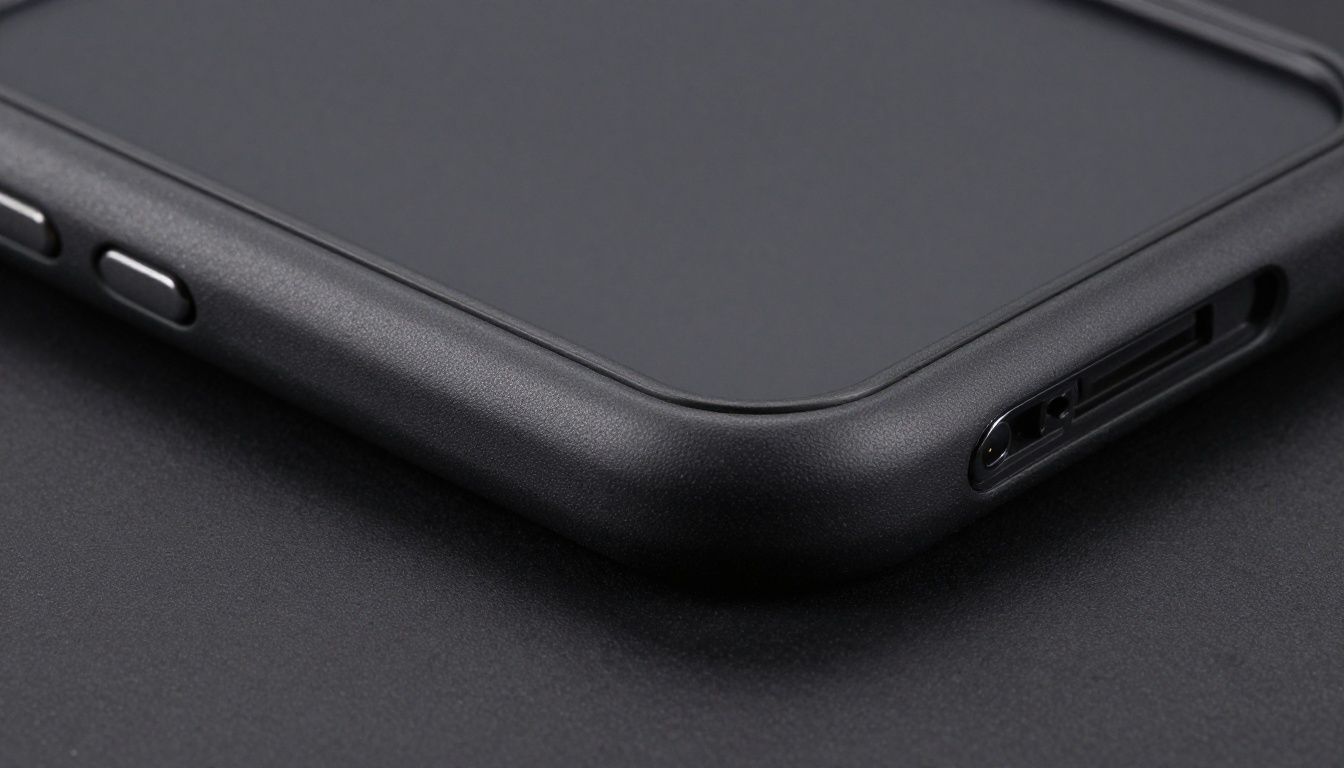
- Reinforced Corners: Most phones land on a corner when dropped. Cases with extra cushioning or air pockets in the corners provide targeted protection where it's needed most.
- Raised Bezels: A slightly raised lip around the screen and camera lenses prevents them from making direct contact with a flat surface when the phone is placed face down. This simple feature can save you from costly screen repairs.
- Internal Shock-Dispersion Patterns: Some cases feature intricate patterns on the inside. These aren't just for looks; they are designed to channel and disperse impact forces away from the phone itself.
Drop Test Certification
For those seeking a truly rugged phone case, it's worth looking for military-grade drop protection certification (such as MIL-STD-810G). This standard involves a series of controlled tests to ensure the case can withstand drops from a specific height onto various surfaces. A case with this certification has proven its protective capabilities in a standardised environment, offering a reliable benchmark of its durability.
Frequently Asked Questions
Does a thick phone case interfere with wireless charging?
Sometimes, yes. Extremely thick or rugged phone cases, especially those with metal components or kickstands, can interfere with the connection needed for wireless charging. Most standard-thickness cases made from TPU or polycarbonate are designed to be fully compatible.
Are rugged phone cases too heavy for everyday use?
While a rugged phone case is naturally heavier than a slim one, modern designs focus on providing maximum protection with minimal bulk. Many users find the added sense of security and improved grip to be a worthwhile trade-off for a slight increase in weight.
Is a hard case or a soft case better for drops?
Both have their strengths. A soft TPU case is excellent at absorbing the shock from a drop. A hard polycarbonate case is better at resisting scratches and direct impact. The ideal solution is often a hybrid case that combines a soft, shock-absorbing interior with a tough, rigid exterior.
Practical takeaway
While phone case thickness can contribute to protection, it's not the most important factor. The material, design features like reinforced corners and raised bezels, and certified drop testing are far more reliable indicators of a case's ability to protect your device. The best choice is one that balances robust protection with a design that suits your daily life.