


Keeping Your Phone Safe During an Aussie Summer
Posted by New Case on 14th Feb 2026
The Australian summer is all about getting outdoors, whether it's a trip to the beach, a backyard barbie, or a hike through the bush. While you're soaking up the sun, your phone is often exposed to the elements, facing risks from heat, sand, and water that can cause lasting damage.
A few simple precautions can help you protect your phone in summer, ensuring it stays functional long after the season ends. It’s not about locking your device away, but about being mindful of the environment you're in.
Managing the Heat: A Major Summer Risk
One of the biggest threats to your phone during an Aussie summer is extreme heat. Leaving your device in direct sunlight on a scorching day, or worse, in a parked car, can cause its internal temperature to skyrocket. This can lead to permanent battery damage, reduced performance, and even a complete shutdown.
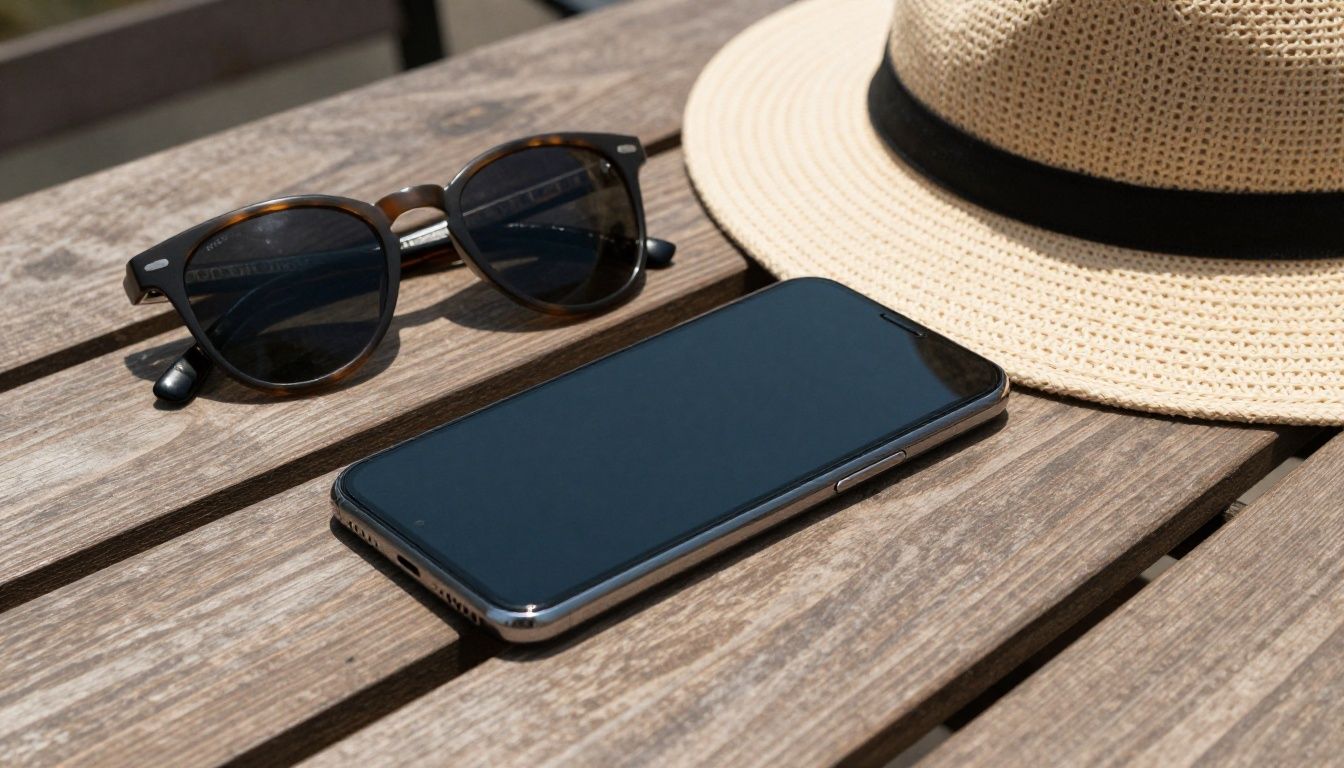
Your phone will often display a temperature warning if it gets too hot. If this happens, the best course of action is to stop using it, turn it off if possible, and move it to a cooler, shaded location. Avoid sudden temperature changes, like putting it in the fridge or esky, as this can cause condensation to form inside.
Simple Habits for Heat Phone Protection
- Seek Shade: Always place your phone screen-down in a shady spot. If there's no shade, tuck it under a towel, inside a bag, or beneath a chair.
- Avoid the Car: A car's interior can become dangerously hot within minutes. Always take your phone with you when you leave the vehicle.
- Limit Intensive Use: Filming long videos in 4K or playing graphics-heavy games in direct sun will cause the device to heat up much faster. Give it a break to cool down.
Beach Days and Poolside Problems
Nothing says summer like a day by the water, but this environment presents a dual threat to your phone: sand and moisture. Both can cause significant issues if you're not prepared.
Sand: The Sneaky Scratched
Fine grains of sand can easily work their way into charging ports, speaker grilles, and the gaps around buttons. This can cause blockages and muffled audio. Worse still, sand is abrasive and can leave permanent scratches on your screen and camera lens, affecting photo quality and screen clarity.
For effective beach phone protection, consider keeping your device in a sealed zip-lock bag. A well-fitted case can also help by providing a barrier against scratches and preventing sand from getting into the seams of the device.
Water and Splash Protection
Many modern phones come with an IP rating for water resistance, but this feature has its limits. These ratings are typically based on tests in controlled, freshwater environments—not the salty, corrosive ocean or chlorinated pools. Saltwater is particularly damaging and can degrade the phone's protective seals over time.
A splash from the pool or an unexpected wave at the beach could be enough to cause damage. For true peace of mind, a waterproof phone case or a dedicated waterproof pouch is a reliable option, allowing you to keep your phone safe even when you're near the water.
Frequently Asked Questions
Is a standard case enough for beach phone protection?
A standard case offers good protection against drops and scratches from sand. However, it won't stop fine sand from entering ports or protect against water. For complete protection at the beach, a sealed pouch or a case with port covers is a better choice.
My phone says it's water-resistant. Do I still need a waterproof case for the beach?
Yes, it's highly recommended. A phone's water-resistance rating applies to freshwater, and the seals can weaken over time. Saltwater is much more corrosive and can cause damage that isn't covered by warranty. A waterproof case provides a necessary extra layer of security.
What's the fastest way to cool down an overheating phone?
First, stop using it and remove it from direct sunlight. Take off its case to help heat dissipate, and turn the device off completely. Let it cool down gradually in a shaded, airy spot. Never place it in a fridge, freezer, or esky.
Practical takeaway
Protecting your phone during summer doesn't require complex solutions. The most effective strategies are simple habits: keep it out of direct sun, use a case to guard against sand and drops, and be cautious around water. A little awareness goes a long way in keeping your device safe all season.