


Phone Case Features That Actually Matter
Posted by New Case on 21st Feb 2026
Choosing a new case for your mobile involves more than just picking a favourite colour. With a huge range of options available, it's easy to get lost in technical specifications and marketing jargon. The key is to focus on the phone case features that provide genuine, practical benefits for your everyday life.
When you start looking, you'll find cases boasting all sorts of capabilities. But which ones will you actually appreciate day-to-day? Let's break down the features that make a real difference, moving beyond the basics to help you understand what to look for in a phone case.
Core Protection and Material Quality
The primary job of any case is to protect your device from accidental drops, bumps, and scratches. The materials used are the foundation of this protection. Most quality cases use a combination of materials like TPU (thermoplastic polyurethane) and polycarbonate.
TPU is a flexible, rubber-like material that is excellent at absorbing shock from an impact. Polycarbonate is a rigid, tough plastic that resists scratches and provides structural strength. A case that combines a soft TPU inner layer with a hard polycarbonate outer shell often provides a great balance of protection.
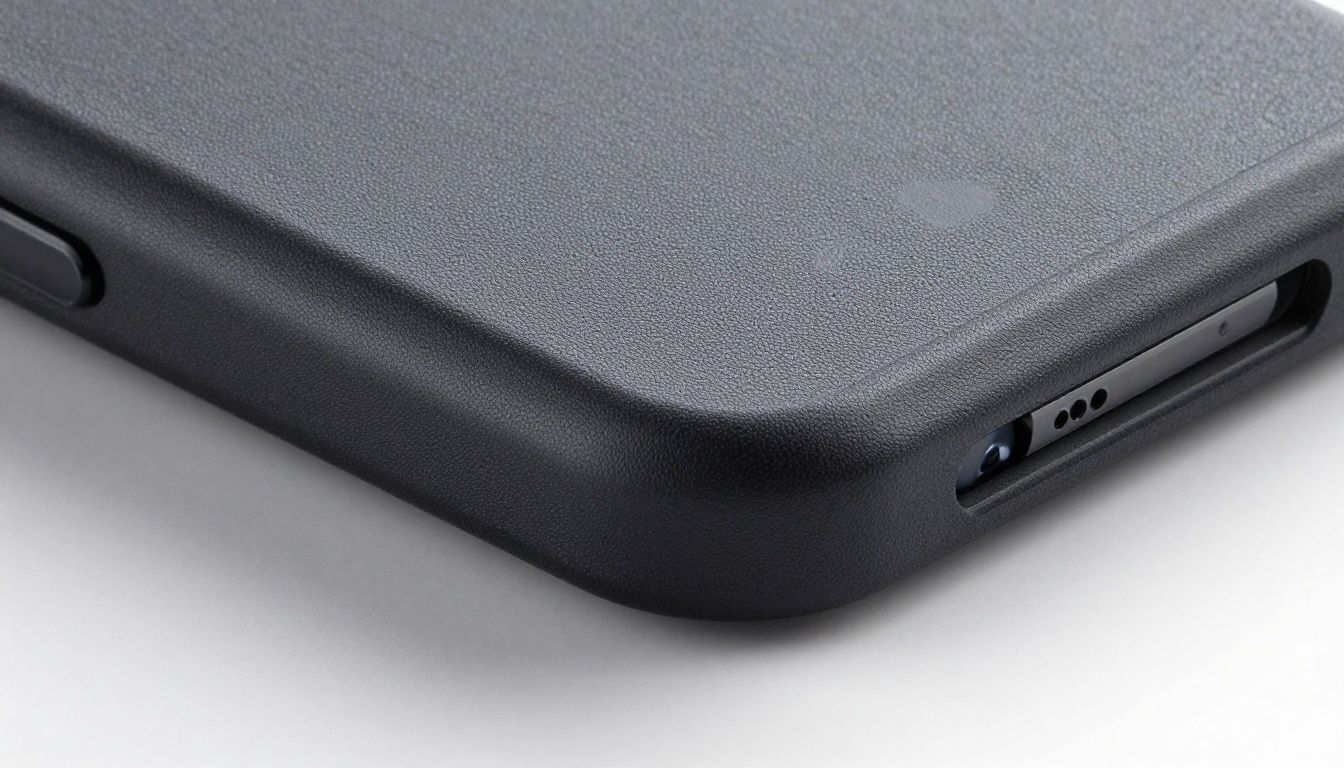
Understanding Drop Protection
Many durable phone case options mention 'military-grade drop protection' (often cited as MIL-STD-810G). While this sounds impressive, it simply means the case has been tested to withstand certain drop conditions. For most people, a case with raised edges around the screen and camera, along with reinforced corners, offers substantial protection for typical daily fumbles without needing a military-spec rating.
Everyday Grip and Feel
How a case feels in your hand is a vastly underrated feature. A phone that's hard to hold is a phone that's more likely to be dropped. The texture and finish of a case play a significant role in its 'grippiness'.
A matte or textured finish generally provides a more secure hold than a smooth, glossy one, which can become slippery, especially in warm weather. Look for subtle patterns or ridges along the sides of the case, as these are specifically designed to improve your grip.
Button and Port Accessibility
A great protective phone case becomes an extension of your phone, not a hindrance. Pay attention to how the case handles buttons and ports. The volume and power buttons should be covered but remain 'clicky' and responsive, providing tactile feedback when pressed.
Cut-outs for the charging port, speakers, and microphones should be precise and generous enough to accommodate different cable sizes and allow for clear audio. There's nothing more frustrating than having to remove your case just to charge your phone.
Balancing Bulk with Durability
The classic dilemma is choosing between a slim, minimalist case and a bulky, ultra-protective one. Thankfully, modern materials and design mean you don't always have to compromise. A well-designed case can provide excellent shock absorption without adding excessive weight or size.
Consider your daily environment. If you work in an office and are generally careful with your phone, a slimmer profile case might be perfect. If you're a tradie, spend a lot of time outdoors, or have young children, opting for a more durable phone case with extra reinforcement is a sensible choice.
Frequently Asked Questions
Do I really need a military-grade drop-tested case?
For most people in urban or suburban environments, a quality case with raised bezels and shock-absorbent corners is perfectly adequate. If your lifestyle or job involves a higher risk of serious drops, such as working on a construction site or frequent hiking, then the extra assurance of a tested, durable phone case is a worthwhile investment.
Will a thicker protective phone case make my phone overheat?
Reputable case manufacturers design their products to allow for proper heat dissipation, so this is rarely an issue. A well-made case will not trap enough heat to cause performance problems during normal use. Be cautious with cheap, unbranded cases that may not have been designed with thermal performance in mind.
How do I know if a case is compatible with wireless charging?
Product descriptions should always state whether a case is compatible with Qi wireless charging or MagSafe for newer iPhones. If it doesn't mention it, assume it may be too thick or contain materials (like metal plates for magnetic mounts) that will interfere with the charging connection.
Practical takeaway
The best phone case is one that seamlessly fits your personal needs and daily routines. Before buying, think about how you use your mobile. Prioritise practical features like a comfortable grip, responsive buttons, and a level of protection that matches your lifestyle, rather than focusing solely on extreme specifications or aesthetics.