


TPU vs Polycarbonate Phone Cases: Which Is Right for You?
Posted by New Case on 27th Feb 2026
Choosing a new phone case can feel overwhelming with all the different materials available. Two of the most common options you'll encounter are TPU and polycarbonate. While they might look similar at a glance, they offer distinct types of protection and feel very different in the hand.
Understanding the core differences between a TPU vs polycarbonate phone case will help you select the best option for your phone and your lifestyle. This guide breaks down the properties of each material to make your decision easier.
What Is a TPU Phone Case?
TPU stands for Thermoplastic Polyurethane. It's a hybrid material that blends the properties of soft silicone and hard plastic. The result is a flexible, durable, and smooth material that is ideal for phone protection.
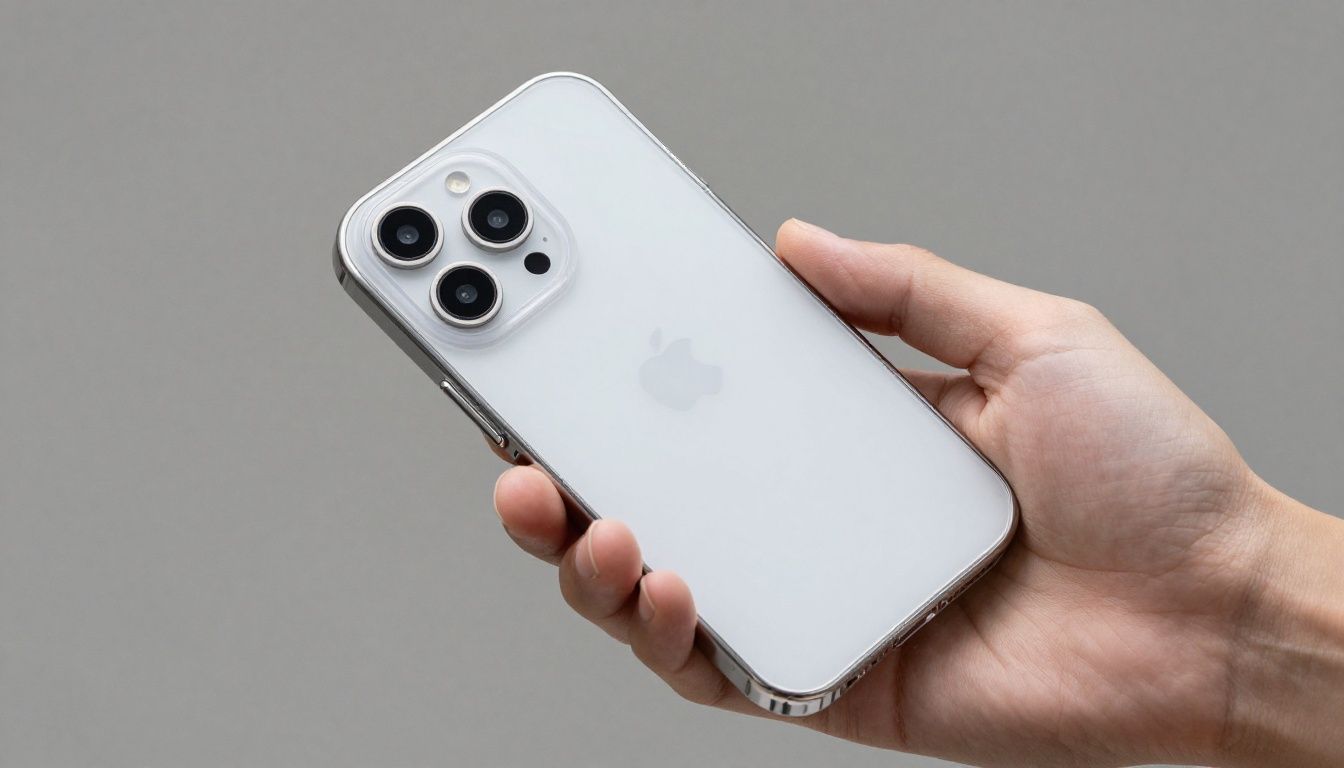
Think of a TPU phone case as a shock absorber for your device. Its soft, rubber-like nature allows it to effectively cushion your phone against bumps and drops. This elasticity is its main advantage, as it disperses the force of an impact rather than letting it transfer to your phone.
TPU also offers a naturally grippy texture. This makes your phone easier to hold securely, reducing the chances of accidental slips from your hand or from a smooth surface like a car dashboard.
Understanding Polycarbonate Phone Cases
Polycarbonate (PC) is a much tougher and more rigid type of plastic. It's a strong, impact-resistant material used in everything from eyeglass lenses to bullet-resistant glass. When used for a phone case, it provides a solid, protective shell.
A polycarbonate phone case is designed to withstand scratches, scuffs, and direct impact. Unlike the soft flex of TPU, a PC case is a rigid frame that shields your phone from harm. It acts as the first line of defence, taking the brunt of any damage.
Because it's a hard, clear plastic, polycarbonate is an excellent choice if you want to show off your phone's original colour and design. It provides solid protection without adding much bulk, maintaining a slim profile.
Key Differences at a Glance
While both materials protect your phone, they do so in different ways. Here’s a direct comparison of their main characteristics.
Flexibility and Feel
TPU is soft, pliable, and bends easily. This makes it simple to install and remove. In the hand, it feels soft and slightly rubbery. Polycarbonate is completely rigid and stiff, providing a hard, smooth feel.
Drop Protection
This is a major point of difference. TPU excels at absorbing shock. When you drop your phone, the flexible case compresses and disperses the impact. Polycarbonate protects by being a tough barrier, but a severe drop can sometimes cause the case itself to crack, though it usually saves the phone.
Scratch Resistance
Because it's a harder material, a polycarbonate phone case is generally more resistant to everyday scratches and scuffs from keys or other items in your pocket or bag. Softer TPU can be more prone to minor surface scratches over time.
Grip and Handling
The inherent texture of TPU provides a secure, non-slip grip. Polycarbonate cases are smoother and can be more slippery, which might be a consideration if you often use your phone one-handed.
Which Phone Case Material Suits Your Lifestyle?
To decide between a TPU vs polycarbonate phone case, think about your daily routine and what you need most from your case.
If you're active, work outdoors, or are simply prone to dropping your phone, the superior shock absorption of a TPU phone case makes it a sensible choice. The added grip is a practical bonus.
If you prioritise a slim design and want to protect your phone from scratches while displaying its look, a hard polycarbonate phone case is a great option. It offers robust protection against scrapes in a sleek package.
It's also worth noting that many modern cases are hybrids. They combine a rigid polycarbonate back for scratch resistance with a flexible TPU bumper around the edges for drop protection, offering the best of both worlds.
Frequently Asked Questions
Do clear TPU cases go yellow over time?
Yes, some clear TPU cases can develop a yellow tint after prolonged exposure to UV light and natural oils from your hands. Many higher-quality cases now include anti-yellowing technology to significantly slow down this process.
Is a hard polycarbonate case slippery to hold?
They can be. Polycarbonate is smoother and offers less natural grip than TPU. If you're used to a grippy case or worry about your phone slipping, this is an important factor to consider.
Which material is better for protecting from a drop onto concrete?
For pure impact absorption from a drop, TPU is generally superior because its soft structure cushions the phone. A polycarbonate case will protect the phone, but the rigid material transfers more force and the case itself is more likely to show damage or crack from a hard fall.
Practical takeaway
Ultimately, the choice between a TPU and a polycarbonate phone case comes down to your main priority. If you value superior drop protection and a secure grip, TPU is the way to go. If your focus is on scratch resistance and a rigid, slim profile that shows off your phone, polycarbonate is an excellent choice.