


Waterproof Phone Case Myths Explained
Posted by New Case on 5th Jan 2026
Australians love an active lifestyle, from trips to the coast to poolside barbecues. With smartphones rarely out of reach, protecting your device from water is a common concern. Waterproof phone cases are widely available, but there is plenty of confusion about what they actually offer. Let’s clarify some common waterproof phone case myths, using practical scenarios you might face day-to-day.
Not All Waterproof Claims Are the Same
One major misconception is that all waterproof phone cases offer the same protection. Packaging and marketing materials may promise waterproof capabilities, but in reality, cases have different levels of water resistance, based on rigorous standards.
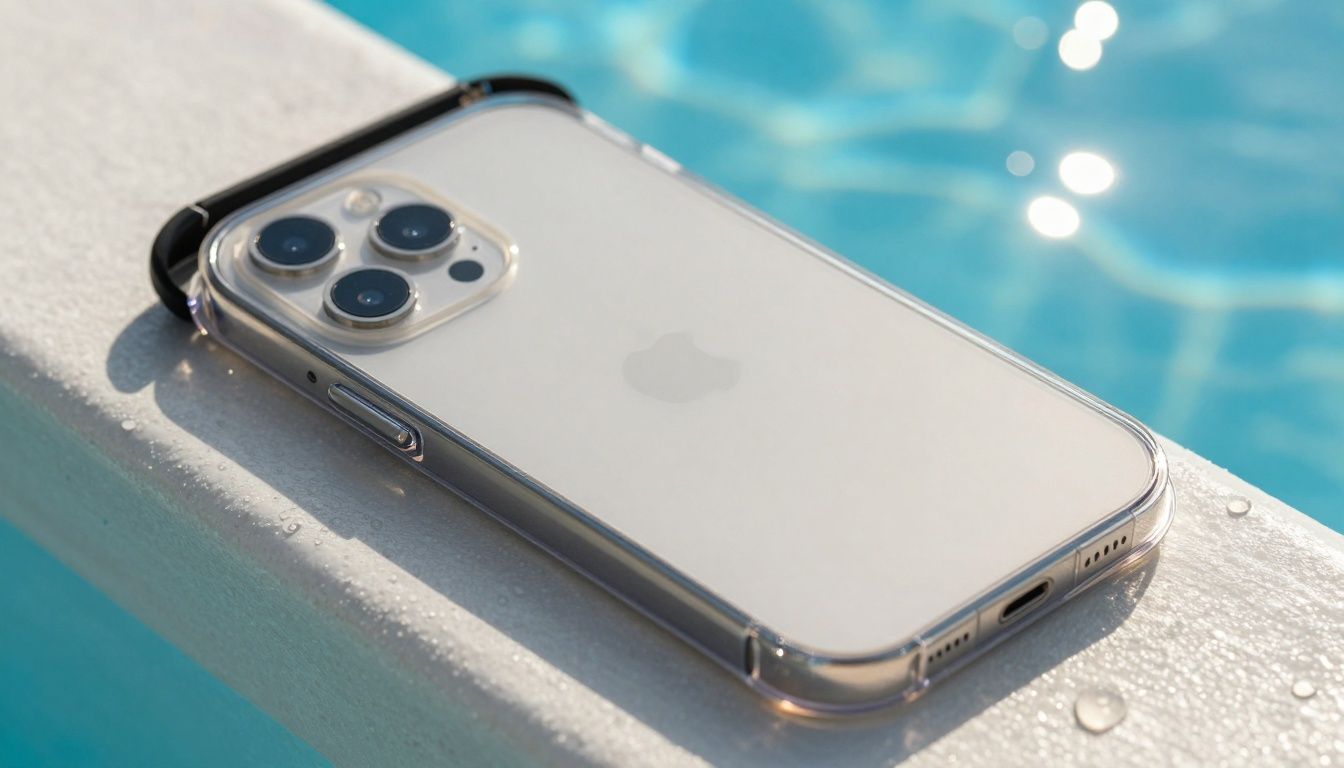
Look for specific ratings—most often, the IP (Ingress Protection) code, such as IP68. But even then, what does it really guarantee?
Interpreting IP Ratings: IP68 Myths
Many assume that an IP68-rated case means complete, indefinite waterproofing. However, the IP68 standard means the device can withstand submersion beyond one metre for a specific duration, typically up to 30 minutes. It does not mean protection during every water-based activity, like surfing, diving, or extended swimming.
Key things to keep in mind:
- The depth and duration tested may not match your real-life uses.
- Water pressure increases with depth and movement.
- Salty or chlorinated water can still damage seals or cause corrosion if not cleaned off promptly.
Understanding these nuances can save you from a false sense of security.
Water Resistant vs Waterproof: What’s the Difference?
It’s easy to confuse ‘water resistant’ and ‘waterproof,’ but the terms matter. ‘Water resistant’ cases typically shield your phone from rain, splashes, and accidental spills. They aren’t designed for full submersion.
‘Waterproof’ suggests the case is sealed well enough for specified brief periods underwater. For everyday activities—walking in the rain or taking a call by the pool—a water-resistant case may suffice. For planned exposure (like kayaking or snorkelling), you’ll want a properly rated waterproof case and extra precautions.
Everyday Use and Misconceptions
Common use cases where waterproof phone case myths can cause problems include:
- Taking underwater photos at the beach, assuming indefinite protection
- Relying on a case after it’s been dropped or worn over time
- Forgetting to check the case seal before exposure
Wear and tear, sand, and even regular opening and closing of the case can affect waterproof integrity. Always test your case before trips using safe methods like submerging it with a tissue inside.
Waterproof Case Facts for Australians
A good waterproof phone case gives peace of mind during camping trips, kayak outings, or a sudden downpour. But always:
- Inspect seals regularly
- Rinse the case after saltwater or chlorinated water exposure
- Follow the manufacturer’s instructions closely
- Don’t rely on a case that shows visible damage or has a worn seal
Understanding these waterproof case facts helps ensure your phone really is protected, wherever your adventures take you.
FAQ
Can I use my waterproof case for underwater photography at the beach?
You can, but only within the depth and time limits specified by the case’s rating. Saltwater can also damage seals, so rinse and dry the case afterwards.
Is my phone still safe if I dropped the case and didn’t see any cracks?
Even if there are no visible cracks, impacts can compromise the case’s waterproof seal. Check the case thoroughly and test it with a dry tissue before using it again in water.
Does an IP68 rating mean I can swim with my phone as long as I want?
No. IP68 covers submersion at specific depths and durations. Extended swims or deep-water activities may exceed the case’s limits and risk water damage.
Practical takeaway
Being clear on waterproof phone case myths allows you to make smarter, safer choices for your device. Pay close attention to ratings, real-world wear, and the difference between daily water resistance and true waterproofing before heading out on your next Aussie adventure.