


Waterproof vs Heavy-Duty Phone Cases: Which is Right for You?
Posted by New Case on 22nd Feb 2026
Choosing a new phone case can feel overwhelming. Two of the most popular protective options are heavy-duty and waterproof cases, but they serve very different purposes. Deciding between them comes down to understanding your daily life and the most likely risks your phone will face.
This guide breaks down the key differences between a waterproof vs heavy duty phone case, helping you make a practical choice based on your needs, not just marketing hype.
What is a Heavy-Duty Phone Case?
A heavy-duty case, often called a shockproof or rugged case, is built with one primary goal: to protect your phone from drops, impacts, and shocks. These cases are engineered to absorb and disperse the force of a fall, minimising damage to the delicate components inside your device.
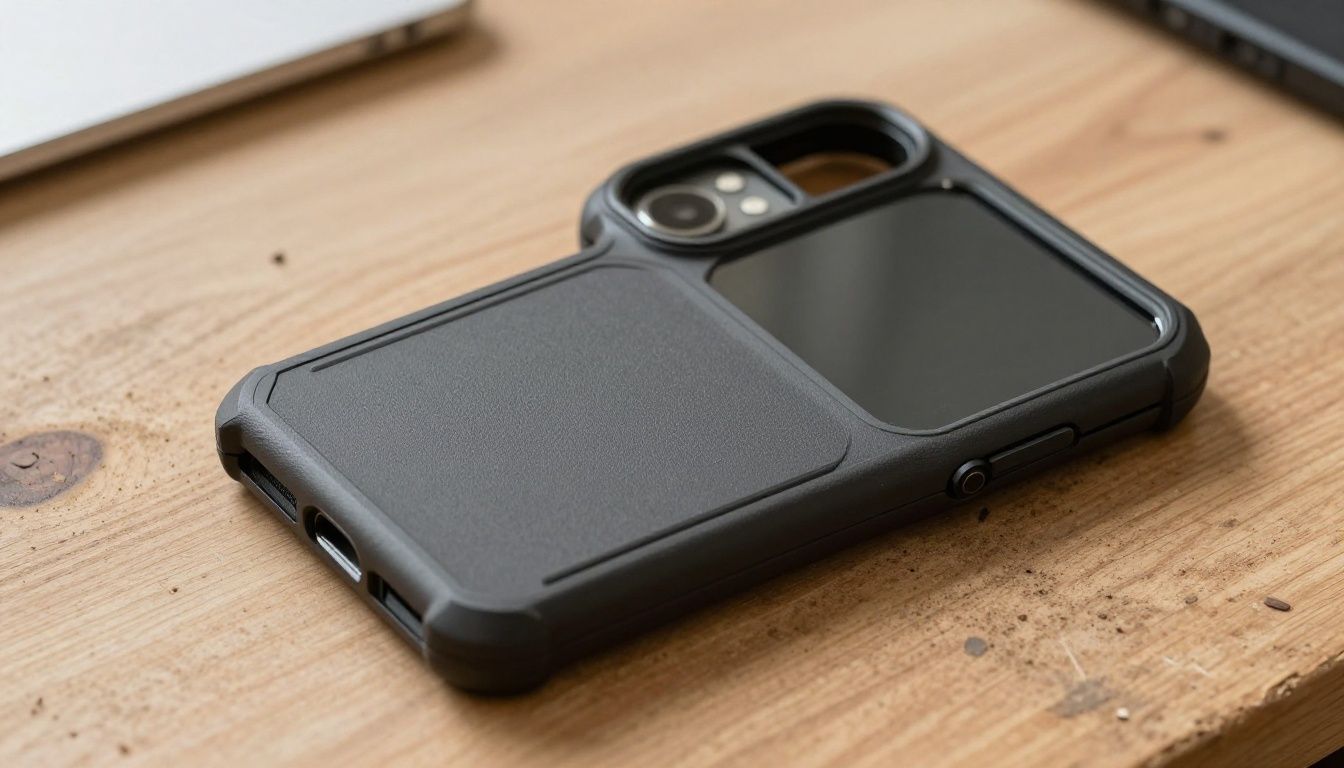
They typically feature:
- Multi-layer construction: Combining hard outer shells (like polycarbonate) with soft, shock-absorbing inner layers (like TPU).
- Reinforced corners: Extra cushioning on the corners, which are the most common impact points during a drop.
- Raised edges: A lip around the screen and camera lenses prevents them from touching a flat surface when the phone is laid down.
These cases are ideal for anyone who works in a physically demanding environment, like a tradie on a construction site, or for those who are simply prone to dropping their phone. They provide peace of mind against the everyday bumps and tumbles.
What is a Waterproof Phone Case?
A waterproof case is designed to create a complete, watertight seal around your phone. Its main purpose is to protect your device from liquid damage, whether from full submersion, heavy rain, or accidental spills. They are also highly effective at keeping out dust, sand, and dirt.
These cases are defined by their Ingress Protection (IP) rating. An IP68 rating, for example, typically means the case is tested to be fully submersible in water up to a certain depth and for a specific duration. This makes them a great choice for beach days at the Gold Coast, fishing trips, or for parents dealing with spills from young children.
While they offer some drop protection, it is secondary to their sealing capabilities. The focus is on preventing water from ever reaching your phone.
Key Differences in a Case Comparison
When you compare a shockproof vs waterproof case, the trade-offs become clear. Your choice depends on which features you prioritise for your daily activities.
Primary Protection Goal
A heavy-duty case is all about surviving physical impacts. It’s built to handle falls onto hard surfaces like concrete or tiles. Its robust design is a defence against cracks, dents, and internal damage from shock.
A waterproof case’s main job is to form an impenetrable barrier against liquids and fine particles. It’s for situations where water exposure is the number one threat.
Design and Everyday Feel
Heavy-duty cases are often bulkier to accommodate their protective layers. While modern designs are becoming slimmer, their core function requires a certain amount of mass to absorb impact effectively.
Waterproof cases can sometimes be slimmer, but the need for a perfect seal can impact usability. Built-in screen protectors may slightly alter touch sensitivity, and sealed ports require opening and closing for charging, which can be fiddly.
Can One Case Do Both?
Many modern heavy-duty cases now come with excellent water resistance ratings, often IP68. This means they can handle being submerged for a short time, offering a great balance of protection for most people.
However, for prolonged water activities like snorkelling or boating, a dedicated waterproof case is still the superior option. These cases are specifically engineered and tested for extended submersion, providing a level of security that a water-resistant heavy-duty case may not match.
Frequently Asked Questions
Are waterproof cases also good for drops?
Most waterproof cases provide a decent level of drop protection, as the sealed design offers some cushioning. However, they are not built to the same impact-resistance standards as a dedicated heavy-duty case. If you are very clumsy, a heavy-duty case is the safer bet.
Will a heavy-duty case make my phone too bulky for my pocket?
While traditionally bulky, many new heavy-duty cases use advanced materials to offer high protection in a slimmer profile. It’s worth checking the specific dimensions, but most are designed to still be pocket-friendly for daily use.
Do I need to take my phone out of a waterproof case to charge it?
No, you shouldn't have to. Waterproof cases have a sealed flap or plug covering the charging port. You simply open this flap to charge your phone and ensure it is securely closed afterwards to maintain the waterproof seal.
Practical takeaway
Your choice between a waterproof and a heavy-duty case should be guided by your primary concern. If your biggest risk is dropping your phone during your daily commute or at work, a heavy-duty case offers the best protection. If you spend your weekends at the beach, by the pool, or on a boat, a waterproof case is essential. For a versatile, all-round solution, consider a high-quality heavy-duty case that also features a strong water-resistance rating.