


Waterproof vs Water-Resistant Phone Cases Explained
Posted by New Case on 17th Dec 2025
Deciding between a waterproof or water-resistant phone case can feel confusing, especially if you enjoy the outdoors or want peace of mind in unpredictable weather. This article breaks down the differences, showing what level of water protection suits different Aussie lifestyles.
What ‘Waterproof’ and ‘Water-Resistant’ Actually Mean
When browsing for a new phone case, it’s common to see both terms used. However, they have very different implications for your device's safety.
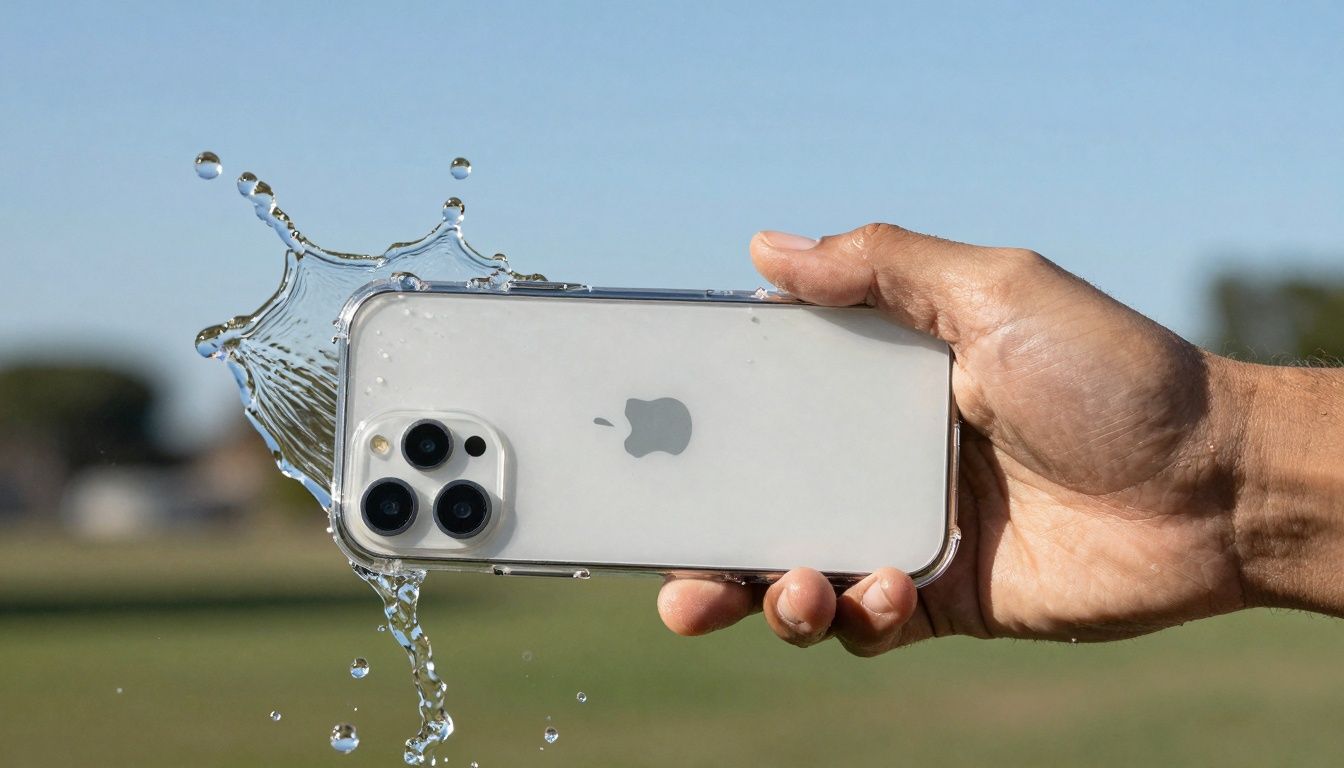
Waterproof Phone Cases
A waterproof phone case is designed to create a complete seal around your device. This means no water can enter under normal use, even if the phone is fully submerged. These cases rely on precise gaskets, lock mechanisms, and sometimes a film covering the screen. Look for cases that specifically mention an IP68 or higher rating, as these can withstand being underwater for set periods (usually around 1.5 metres for up to 30 minutes).
When Is a Waterproof Case Useful?
- Swimming laps at your local pool with your phone in tow
- Camping near lakes, rivers, or beaches
- Frequent boating or paddling trips
- Living or working in a flood-prone region
Waterproof cases often feel bulkier than regular covers, but that’s the trade-off for full immersion protection.
Water-Resistant Phone Cases
A water-resistant phone case, sometimes labelled as a splashproof phone case, offers solid protection against spills, rain, sweat, and accidental splashes but isn’t designed to survive under water. These cases may have sealed ports and a tighter fit, but they generally don’t protect against being dropped in a pool or toilet.
Common Scenarios for Water-Resistant Cases
- Using your phone outside during unpredictable Aussie weather
- Cycling or hiking where sweating or brief rain is a risk
- Children using phones for games and e-learning at the kitchen table
- Dusty work environments where moisture is an occasional hazard
Water-resistant cases suit daily life and those minor mishaps most of us deal with, without the added heft of full waterproof models.
How to Choose the Right Case for Your Needs
The decision between waterproof vs water resistant phone case protection comes down to your activities and environment. Here are some points to consider:
- Level of exposure: If you never intend to intentionally submerge your phone, water-resistant will cover typical accidents.
- Bulk vs comfort: Waterproof cases add noticeable thickness; water-resistant models tend to feel more like regular covers.
- Frequency of water contact: The more direct exposure (e.g., water sports), the more benefit you’ll get from a waterproof case.
- Device use during exposure: If you need to use your phone hands-free near water—like taking photos at the beach—waterproof cases provide extra confidence.
No case offers infinite protection, so it pays to check the manufacturer's specifications and, if needed, test the case with a paper towel inside before trusting it with your phone.
Maintenance and Longevity of Water Protection Phone Cases
Even the best cases need a bit of care to keep performing well. Here’s how you can extend their lifespan:
- Rinse waterproof cases with fresh water after beach use to prevent salt build-up around seals
- Check seals and clips for wear every few months
- Follow manufacturer instructions for cleaning—many use special rubbers affected by harsh soaps
FAQ
Can I use my water-resistant phone case at the beach?
A water-resistant phone case will handle splashes and sand, but won’t protect your device if fully submerged. For swimming or wading, a true waterproof case is safer.
Will a waterproof case make my phone harder to use?
Waterproof cases can feel bulkier and may slightly affect touchscreen sensitivity. Most allow phone calls, photos, and charging but may require adapting to small differences.
Are water protection phone cases necessary if my phone is already water resistant?
Many modern phones are water resistant to a degree, but a case adds an extra barrier against damage (particularly over time, as phone seals degrade), and guard against drops, grit, and scratches as well.
Practical takeaway
Choosing between waterproof and water-resistant phone cases depends on your lifestyle and typical activities. For everyday Australians, understanding the limits and strengths of each type helps ensure you get the right balance between peace of mind, comfort, and protection.