


What Phone Case Features Actually Matter?
Posted by New Case on 26th Feb 2026
Choosing a new phone case can feel overwhelming. With countless designs promising a range of features, it's difficult to sort the marketing hype from the genuinely useful. Instead of focusing on flashy extras, it’s more practical to consider which features will serve you best in your day-to-day life.
This article breaks down the most common phone case features to help you decide what you truly need for your device.
Protection: The Core Function of Any Case
The primary job of any case is to protect your phone from accidental damage. While no case can make a phone indestructible, the right one provides a crucial buffer against drops, bumps, and scratches.
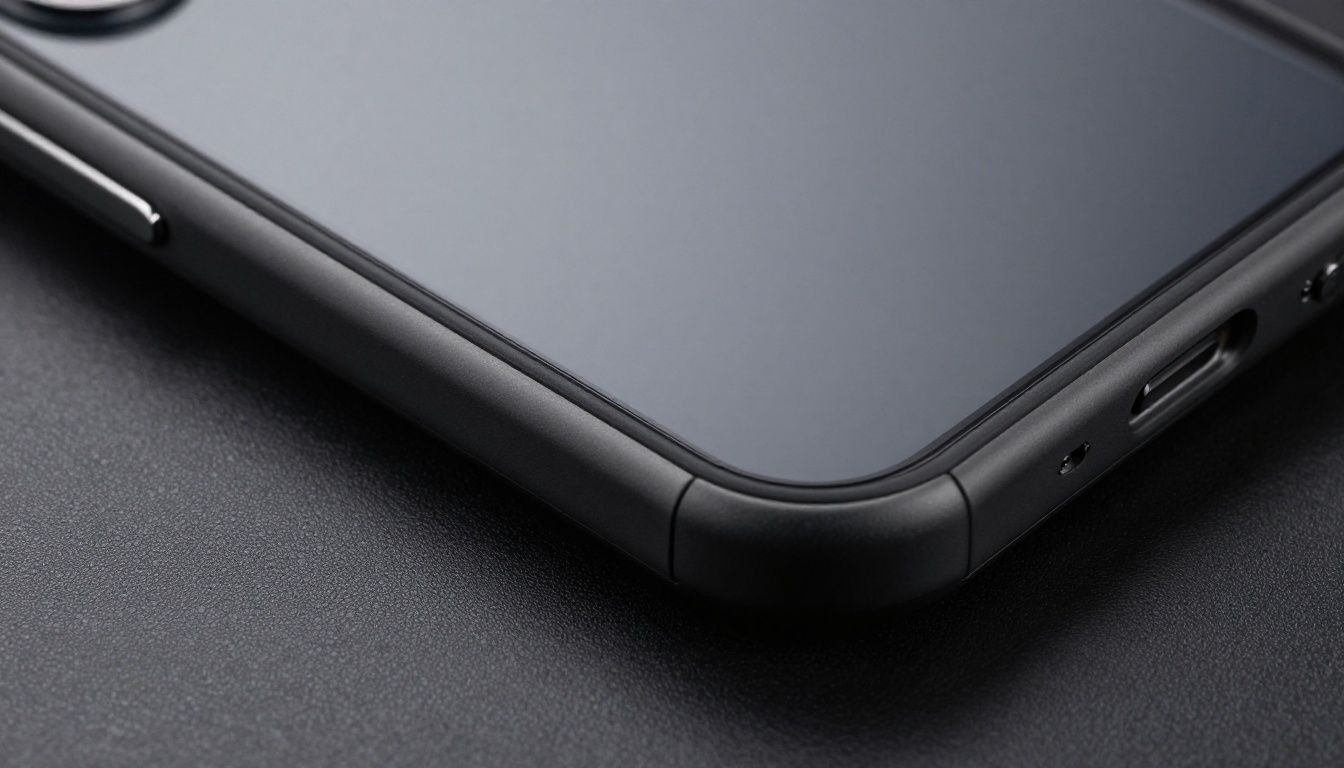
Effective drop protection is about two things: materials and design. Cases made from shock-absorbent materials like silicone or thermoplastic polyurethane (TPU) are excellent at cushioning impact. Harder polycarbonate (PC) shells provide rigidity and scratch resistance. Many of the best designs use a hybrid of both.
Look for design elements like reinforced corners and a raised lip or 'bezel' around the screen and camera lenses. This small ridge ensures that if your phone lands flat, the glass doesn't make direct contact with the surface.
Grip and Ergonomics: How the Case Feels
One of the most overlooked yet best phone case features is how it feels in your hand. A phone that's easy to hold is a phone you're less likely to drop in the first place.
A good grip phone case can make a world of difference, especially with today's large and often slippery smartphones. Look for cases with textured sides, a matte finish, or materials that naturally offer more friction than a glossy, hard plastic.
The case's profile also affects ergonomics. While a bulky, rugged case might offer maximum protection, it can be cumbersome to hold and carry in a pocket. A slim case, on the other hand, preserves the phone's original feel but offers less of a buffer against serious falls. The ideal choice is often a balance between the two.
Specialised Features: When Do You Need More?
Beyond basic protection and grip, many cases offer specialised functions. These are less about everyday necessity and more about suiting specific lifestyles or activities.
Water and Dust Resistance
Most modern smartphones come with a high IP rating for water and dust resistance, making them safe from splashes or brief dunks. A case with a waterproof rating is for more extreme scenarios. If you're a keen boatie, work in a dusty trade environment, or want to take underwater photos at the beach, a fully sealed waterproof case provides that extra peace of mind.
MagSafe and Wireless Charging
Wireless charging is a standard feature now, and most slim-to-medium thickness cases are compatible. MagSafe, however, requires built-in magnets to work correctly for both charging and mounting accessories. If you rely on MagSafe car mounts, wallets, or chargers, you must choose a case specifically listed as MagSafe compatible.
Built-in Accessories
Cases with integrated card holders or kickstands offer convenience but almost always add bulk. A wallet case can be a great way to streamline your pockets, but consider if you're comfortable having your phone and cards in one place. A kickstand is handy for watching videos, but its usefulness depends entirely on how often you do so on the go.
Frequently Asked Questions
Are expensive phone cases always better?
Not necessarily. Price often reflects branding, complex designs, or premium materials, but a higher cost doesn't automatically guarantee better protection. It's more effective to look for cases with certified drop-test ratings and features that suit your needs, regardless of the price tag.
Will a thick case stop my phone from overheating in the Aussie sun?
A thick, insulating case can trap heat, which may cause your phone to run slower or temporarily shut down in hot conditions, like being left in a car or in direct summer sun. If you're often in hot environments, a slimmer profile case may be a better choice.
Do I really need a waterproof case for the beach?
For protection against light splashes or a bit of rain, your phone's built-in water resistance is usually sufficient. However, if you're worried about sand getting into ports or want to take your phone into the surf, a dedicated waterproof case or pouch is a wise investment.
Practical takeaway
The best phone case isn't the one with the longest list of features, but the one with the right features for your routine. Prioritise a solid foundation of drop protection and comfortable grip. From there, honestly assess whether specialised extras like a waterproof rating or MagSafe compatibility will genuinely improve how you use your phone every day.