


When a Waterproof Case Isn’t Enough
Posted by New Case on 4th Jan 2026
Smartphones go everywhere with us, from the beach to the bushwalk and sometimes even on a kayak. Many Australians rely on waterproof phone cases to keep their devices safe near water. But while these cases can offer important protection, there are real-world scenarios where their limits become clear.
What Makes a Phone Case Waterproof?
Waterproof phone cases use seals and materials designed to block water from reaching your phone. Ratings such as IP67 or IP68 describe their ability to keep water out for certain depths and durations. This level of defence is usually enough for rain, splashes, and brief dunks.
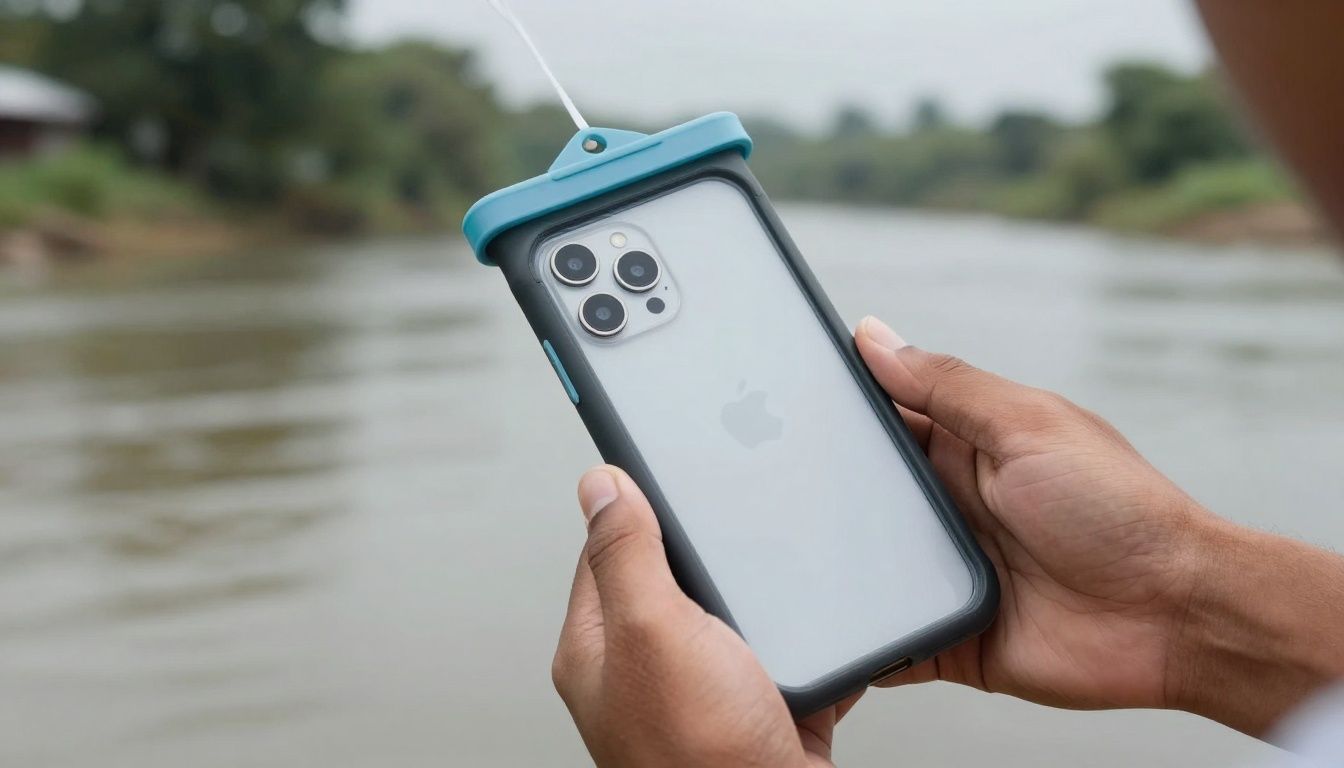
Understanding Waterproof Phone Case Limitations
Even highly rated cases have their weaknesses. It helps to know these before heading off on your next outdoor adventure.
Incomplete Seals and Wear Over Time
The seals on a waterproof case can degrade with regular use. Dust, sunscreens, and sand grains can also get trapped in the seals, causing gaps that let water in. If you often open your case, remember that each use potentially wears the sealing surfaces.
Pressure and Depth
Most waterproof cases are designed for shallow water—think falling in a pool, not diving. The pressure of deeper water or strong currents can force water past seals. If you plan extended snorkelling or swimming, consider a dedicated underwater housing for your device instead.
Sudden Temperature Changes
Rapid shifts between hot and cold, such as moving from a sunny beach to chilly surf, can cause materials in your case to expand or contract. This change can weaken the seal and compromise water resistance.
When to Consider Extra Protection
While a waterproof phone case is enough for rain or an accidental splash, certain activities call for more substantial safeguards.
Underwater Activities
If you want to take photos while snorkelling or during water sports, look for underwater housing. These are designed for deeper depths and longer exposure to water than standard cases. They provide extra layers of security for your phone and better control for photography.
Extreme Conditions
Bushwalkers, kayakers, and four-wheel drivers might encounter mud, strong impacts, or prolonged conditions where moisture, grit and dust are pervasive. An extreme conditions phone case with reinforced structure and additional dustproofing may be needed to prevent internal damage—waterproofing alone isn’t always enough for all Australian environments.
Practical Tips for Phone Water Damage Prevention
Reducing your phone’s risk from water goes beyond the case itself:
- Always test your waterproof case before each big outing by placing tissue inside and submerging it briefly.
- Rinse your case in fresh water after exposure to salt or chlorine, then dry thoroughly.
- Secure all plugs, doors, and ports every time you seal the case.
- Store your phone and case away from direct sunlight to prevent material deterioration.
FAQ
How often should I replace my waterproof phone case?
Replace your case if you notice cracks, worn seals, or if it has been exposed to harsh conditions. Many people find annual replacement ensures reliable protection.
Can I use my waterproof case in the ocean?
Yes, but rinse it afterwards with fresh water to remove salt, and avoid extended submersion or diving activities unless your case is rated for those depths.
Are waterproof cases dustproof and shockproof too?
Not all are. Some provide dust and drop protection as well, but it’s best to check the manufacturer’s specifications if you need coverage beyond water resistance.
Practical takeaway
Waterproof phone cases are useful for daily mishaps and minor adventures, but it’s important to recognise their limitations. For prolonged submersion, rapid temperature changes, or rugged outdoor activities, consider extra precautions or specialised housings to protect your phone from more than just water.