


Why Cheap Phone Cases Often Fail
Posted by New Case on 4th Feb 2026
Mobile phones are an indispensable part of daily life for most Australians. With devices always at our side, protecting them from damage is a practical concern. It’s common to consider the cost when purchasing a phone case, but many discover too late that cheap phone cases may not deliver the reliability or longevity expected.
What Sets Cheap Phone Cases Apart?
At first glance, low-priced cases can look very similar to their more expensive counterparts. However, cost-saving shortcuts are often not immediately visible. The difference typically lies in the materials used and the precision of construction.
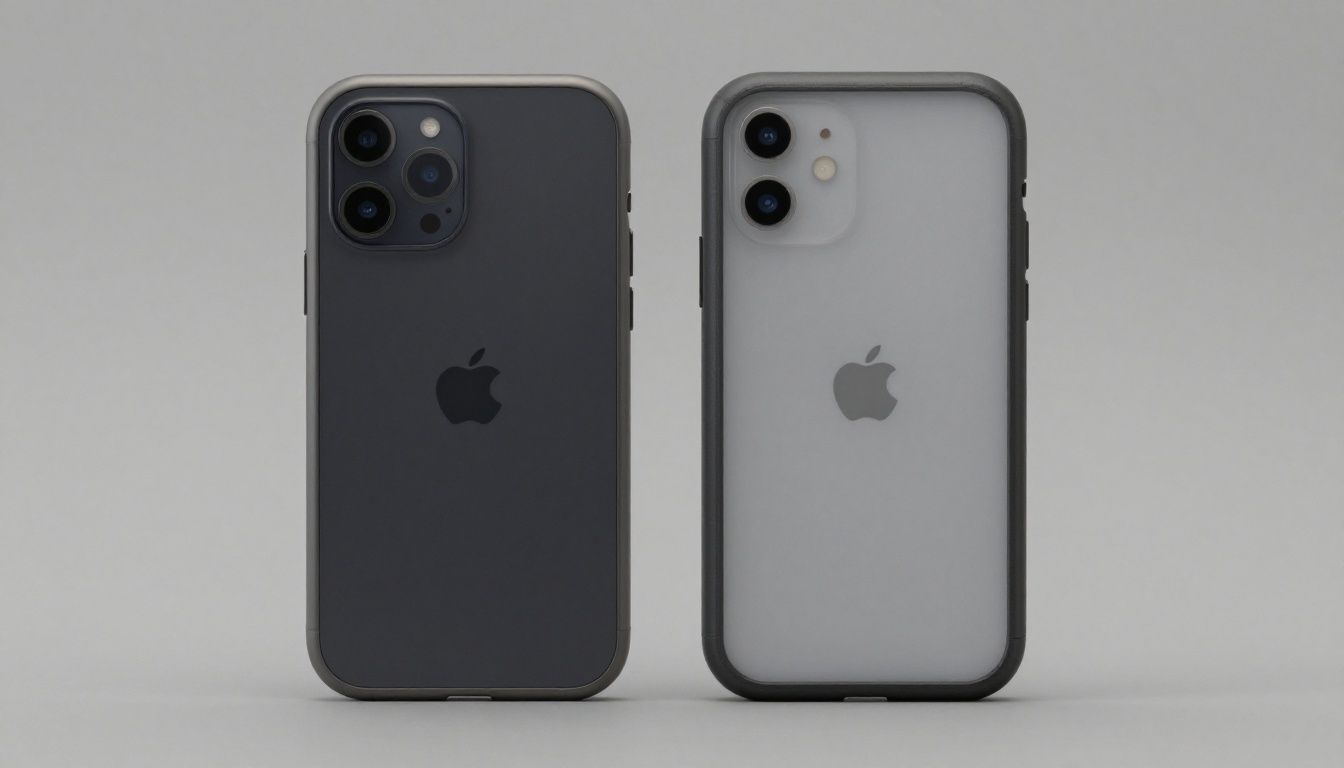
Common Materials and Build Quality
Low quality phone cases are often made from thin, brittle plastics. These materials:
- May crack or warp during everyday use
- Often lose shape, failing to fit snugly on the phone
- Can discolour, especially from sun exposure or frequent cleaning
Cheaper cases may also lack secure cut-outs, leading to awkward fitment or blocked ports and buttons. If you’ve ever struggled with a charger that won’t connect or found a side button hard to press, the case could be partly to blame.
Real-World Experiences with Cheap Phone Cases
A common scenario is dropping a phone—even from a short height. Many cheap phone cases provide only cosmetic protection and aren’t built to absorb impact. As a result, the phone inside can suffer scratches, cracked screens, or even internal damage. Australians who enjoy outdoor activities, from bush walks to weekends at the beach, often find that these cases quickly show their shortcomings.
When Cost-Cutting Compromises Durability
In order to keep prices minimal, manufacturers of cheap phone cases might skip reinforcing the sides and corners, or use adhesives that weaken with time. This leaves devices vulnerable, especially at stress points.
Practical signs a case is low quality:
- Edges begin to peel or split
- Loose fit causes the phone to slip out of the case
- Rapid wear in areas of frequent handling (like around the buttons)
The Value of a Durable Phone Case
Durable phone case models balance flexibility and sturdiness. Materials like reinforced TPU or silicone, combined with accurate cutting and reinforced corners, help to ensure the case can absorb shock and retain its protective shape. These cases also tend to stay put during accidental drops, offering the level of safeguard most Australians expect.
While aesthetics matter, evaluating how the case performs under real conditions—such as carrying it in work bags, tossing it onto a table, or enduring Australian heat—can help you gauge whether your investment is worthwhile.
FAQ
Are all cheap phone cases bad for my device?
Not necessarily, but many offer limited protection and can wear out quickly. Checking build quality and fit is important.
Why does my phone case keep peeling or cracking?
Inferior materials and lack of reinforcements are common in low-cost cases, leading to faster deterioration with daily use.
Can a poorly made case interfere with my phone's features?
Yes. Cheap cases may block ports, speakers, or buttons, making everyday use less convenient and potentially damaging your device over time.
Practical takeaway
Choosing a phone case isn’t just about the price tag—it’s about trusting your device remains protected in everyday situations. Focusing on phone case quality and durability keeps you from replacing both cases and devices more often than needed.