


Will a Waterproof Case Protect Against Sand?
Posted by New Case on 28th Dec 2025
Taking your smartphone to sandy environments like the beach or the desert can be a real test for phone protection. Many Australians turn to waterproof cases, assuming they'll provide total defence against sand. But is a waterproof case automatically a sandproof phone case? Let’s look at what you can realistically expect, and the best ways to keep your phone safe on sandy adventures.
Understanding Waterproof vs Sandproof Protection
Waterproof cases are engineered primarily to block moisture, allowing you to submerge your phone or use it in rainy conditions. But sand presents a different challenge. Tiny grains can find their way into even the smallest gaps, potentially causing issues with ports, speakers, and buttons.
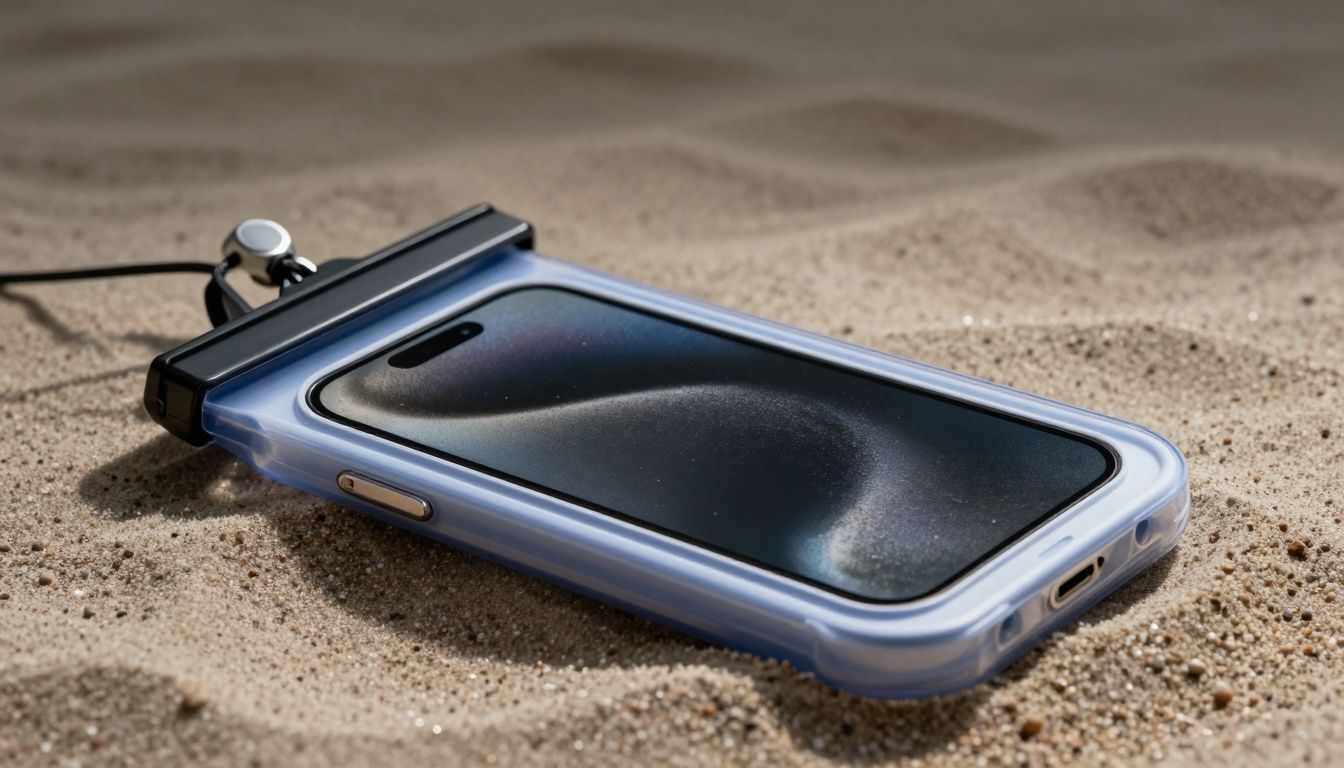
How Waterproof Cases Handle Sand
Most waterproof cases provide a sealed enclosure meant to comply with industry standards like IP67 or IP68. This means they’re designed to keep out water and, to a good extent, solid particles such as dust or sand. However, the effectiveness can depend on:
- The fit and design of the case
- How well the seals are maintained
- Whether the case is correctly installed after each use
It’s not uncommon for some sand to stick to the exterior of the case, especially around joins and port covers. While a well-designed waterproof case comes close to being a sandproof phone case, a bit of vigilance is still needed.
Real-World Risks of Sand Exposure
Everyday Beach Activities
Whether you’re sunbathing, playing beach cricket, or having a picnic, sand has a knack for getting everywhere. Even with a case, the act of opening and closing it can introduce sand particles. Over time, this risks scratches on the phone surface or microscratches on delicate parts like the camera lens if not carefully managed.
Dust and Fine Sand: Inland Challenges
Australia’s inland tracks and outback regions often feature very fine dust and sand. While a case rated as a dustproof phone case provides some peace of mind, extremely fine particles can sometimes creep into imperfect seals. The case’s O-rings and gaskets need to remain in top shape for consistent protection.
Best Practices for Sand Protection
Checking Your Case Before Use
Before heading to a sandy spot, carefully inspect your waterproof case for any damage, dirt, or warped seals. Even a small imperfection could become a point of entry for sand.
Handling Your Phone at the Beach
If you need to open the case, do so away from sand or dust, preferably indoors or in your car. Always clean away any granules from the seal area before reassembling. Wiping your hands before handling the case further minimises the risk of sand intrusion.
Routine Cleaning
After your outing, gently rinse the phone case with clean water—making sure the phone is still safely inside. This washes away salt, sand, or dust before opening the case, avoiding unintentional contamination inside.
When to Consider a Purpose-Built Sandproof Case
Some phone cases are specifically marketed as sandproof or dustproof phone cases. They tend to feature tougher seals, tighter fitting gaskets, and often reinforce port covers. If you regularly visit sandy environments, or live in a particularly dusty region, investing in dedicated beach sand phone protection could offer peace of mind.
FAQ
Can sand get inside most waterproof cases?
High-quality waterproof cases with intact seals usually block sand effectively, but improper sealing or worn case parts can let particles inside.
Do I need a different case for Australian beaches versus the outback?
Both areas present sand and dust challenges. A well-sealed, dustproof case is best for very fine inland dust, while standard waterproof cases usually suffice for beach visits if well maintained.
How do I safely clean sand off my phone case?
Rinse the sealed case using fresh water, ensuring no sand remains around any seals or openings before you open it. Let it dry before removing your phone.
Practical takeaway
While a waterproof case offers good general protection, it’s not foolproof against every grain of sand. Regular cleaning, careful handling, and checking your case’s condition before each use are the best strategies for keeping your smartphone safe from Australia’s sandy environments.