


Do Waterproof Phone Cases Really Work at the Beach?
Posted by New Case on 16th Dec 2025
An Australian summer often means beach trips, saltwater swims, and time spent on the sand with friends. But with smartphones never far from reach, the question arises: how well does a waterproof phone case stand up to the realities of the beach? This article explores how reliable these cases are for keeping your device safe from surf, sand, and sun.
What Makes a Phone Case Waterproof?
Not all phone cases offer the same level of water resistance. A true waterproof phone case forms a sealed barrier around your device, designed to prevent water (and other elements) from seeping in. Different cases are rated to varying standards, with many referencing the IP (Ingress Protection) rating system, which measures how well a case blocks dust and water.
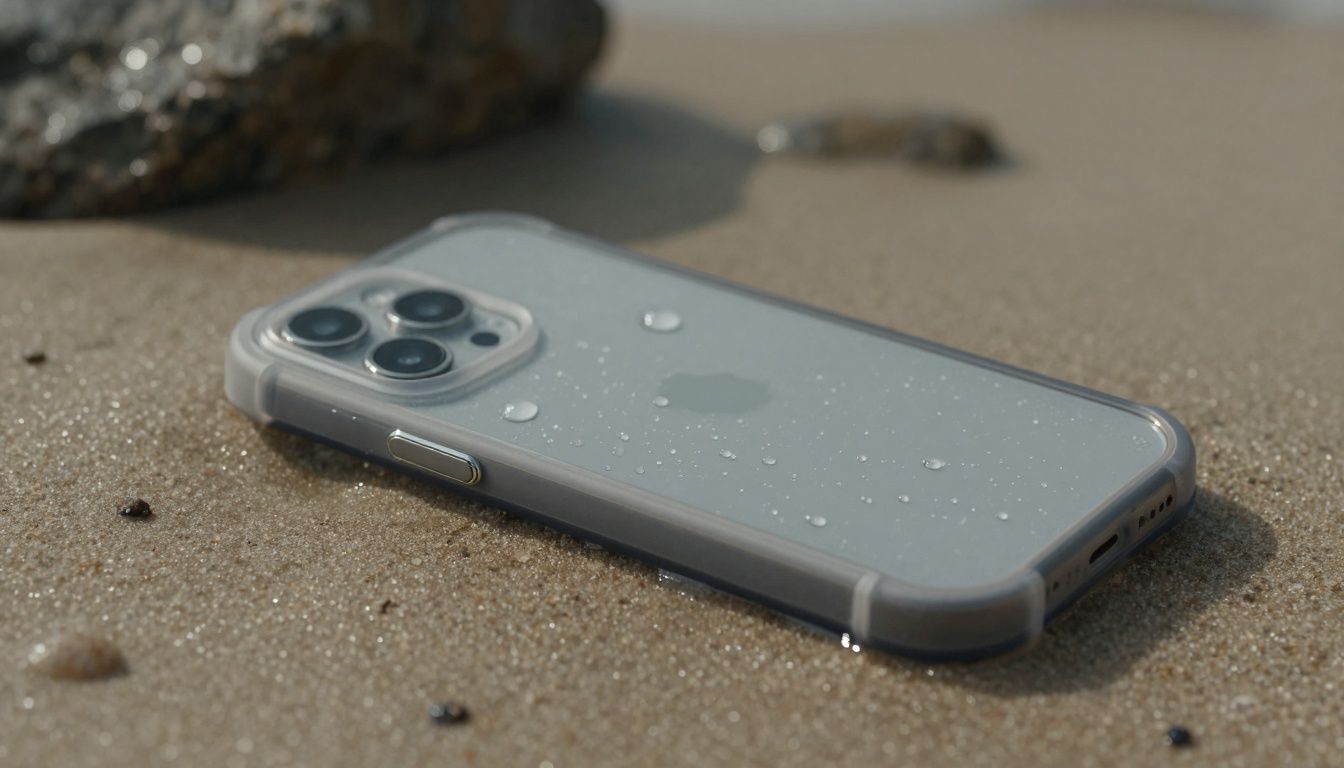
A high-quality waterproof case typically has:
- Tight, secure latches or locks around the edges
- Transparent covers for the screen and cameras to allow use underwater
- Structured seals around charging ports and buttons
While these features help, real-world conditions at the beach can challenge even the most robust designs.
Beach-Specific Hazards for Phones
The beach environment presents several challenges that go beyond simple exposure to fresh water:
Saltwater and Corrosive Effects
Saltwater is far more aggressive than pool or tap water. It not only seeps in more easily but can also corrode electronic parts quickly, even after brief exposure. Even the best waterproof phone case can struggle if the seal is not perfect. A small grain of sand lodged in a latch could cause just enough of a gap for salty water to sneak in.
Sand, Grit, and Sunscreen
- Fine sand can enter poorly sealed cases or linger around gaskets, creating ongoing abrasion
- Sunscreen residue, while not as harmful to electronics, can make surfaces slippery and compromise seals
- A case’s longevity suffers if it is not cleaned properly after beach use
Beach phone protection involves being mindful each time a case is opened or closed, and ensuring no grit remains on the sealing surfaces.
How Waterproof Cases Perform at the Beach
With everyday use, most waterproof phone cases will handle splashes and short dunks in fresh water. The beach, however, presents these additional realities:
- No case is invincible: Prolonged submersion or high-impact waves can put pressure on the seal
- Water pressure increases with depth: Most cases are only designed for shallow depths (usually up to 2 metres)
- Sand acts as a silent saboteur: Invisible debris on the seal can degrade effectiveness over time
For the best waterproof case for beach trips, it’s important to look for a model that not only boasts a good water-resistance rating but is also specifically tested for saltwater exposure.
Maintenance Matters: Prolonging Effectiveness
A waterproof phone case isn’t a set-and-forget solution. To maintain reliable saltwater phone protection:
- Rinse your case (with your device removed) in fresh water after each use
- Check the gasket seals frequently for sand or wear
- Inspect and clean all latches before every outing
Proper care will keep your case functioning as intended, especially if you use it regularly at the beach.
FAQ: Waterproof Cases for Aussies
How long can I submerge my phone in saltwater with a waterproof case?
Most cases only guarantee protection for brief submersion (typically up to 30 minutes at shallow depths). Always check the specific guidelines from the manufacturer and remove your phone from saltwater as soon as possible.
Can I take underwater photos or videos at the beach?
Yes, but keep exposures short. Rinse the case in fresh water afterwards to reduce salt residue, which can build up and harm seals over time.
Will my phone be safe from sand if I use a waterproof phone case?
A properly sealed waterproof case will block sand, but even a small amount trapped in the seal can compromise protection. Always inspect and clean the case after use.
Practical takeaway
A waterproof phone case offers useful protection at the beach, especially against accidental splashes and brief encounters with sand and saltwater. However, their effectiveness depends on the quality of the seal, careful maintenance, and regular inspection. Keeping your device safe at the beach is about choosing the right gear—and using it wisely.