


What Phone Case Should I Buy? A Practical Guide
Posted by New Case on 11th Mar 2026
Choosing a new phone case can feel overwhelming. With countless styles, materials, and features available, it’s easy to get lost in the options. The key is to find the right balance between protection, functionality, and personal style that suits your specific needs.
This case buying guide will help you think through the important factors, so you can confidently decide what phone case you should buy.
First, Consider Your Lifestyle
How you use your phone every day is the biggest factor in determining the level of protection you need. A case that’s perfect for an office worker might not be suitable for someone working on a construction site.
The Daily Commuter or Office Worker
If your phone spends most of its time on a desk, in a bag, or in your pocket, you likely need moderate protection. Look for a slim case that offers a good grip to prevent accidental slips.
A slim profile makes it easy to handle, while materials like silicone or TPU provide enough shock absorption for minor drops, like being knocked off a coffee table.
The Tradie or Outdoor Adventurer
For those who work on-site or spend weekends hiking, phone protection is paramount. Your phone is exposed to dust, moisture, and the risk of significant drops onto hard surfaces.
Look for rugged, heavy-duty cases. These often feature dual-layer construction, reinforced corners, and port covers to keep out debris. A secure grip is also essential.
The Parent or a Bit Clumsy
When kids are in the picture, or if you’re simply prone to fumbling your phone, maximum drop protection is a wise investment. A moment’s distraction can easily lead to a cracked screen.
Cases with a high drop-test rating and a raised lip around the screen and camera lenses are ideal. This design ensures the glass doesn't make direct contact with a flat surface during a fall.
The Minimalist
If you appreciate your phone’s original design and are diligent about how you handle it, an ultra-thin case might be for you. These cases offer basic protection against scratches and scuffs without adding bulk.
Clear cases are a popular choice in this category, as they provide a layer of defence while letting the phone's original colour show through.
Understanding Case Materials and Features
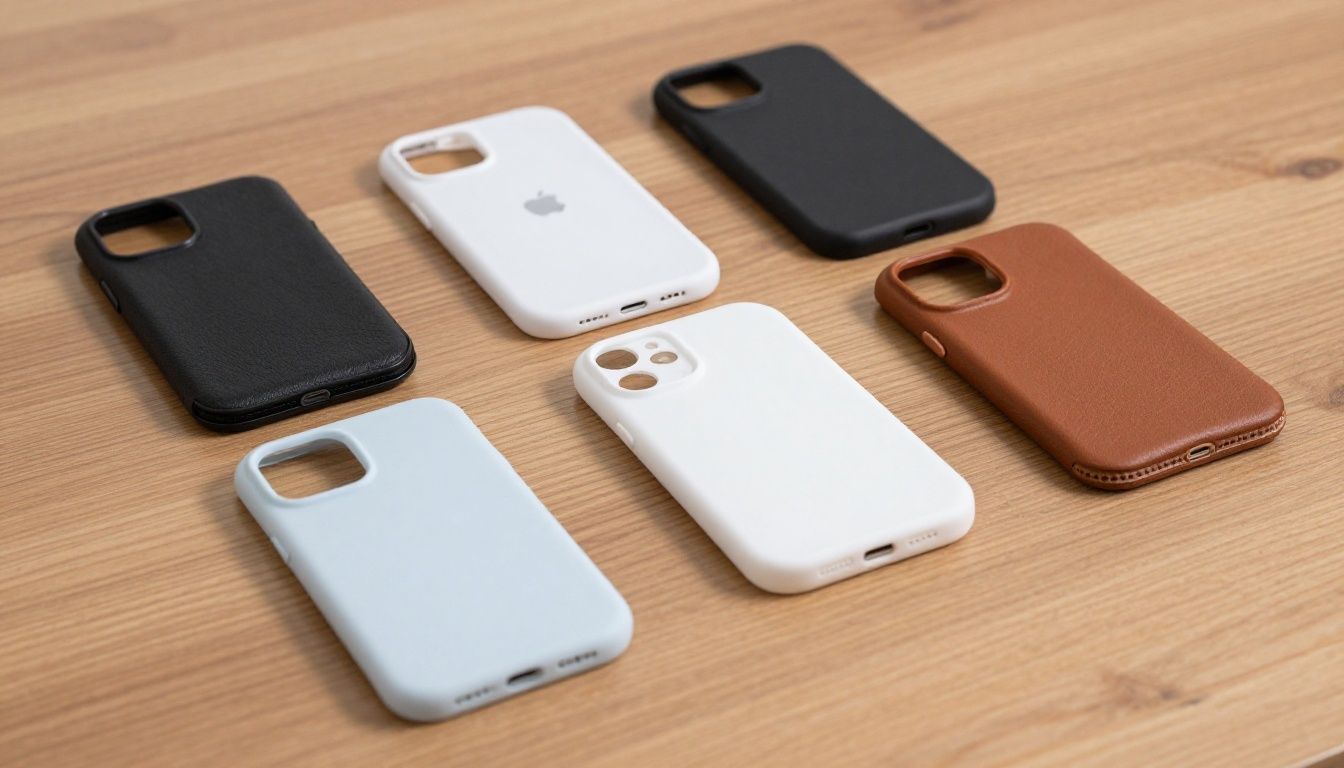
The material of a case directly impacts its look, feel, and protective capabilities. Understanding the common options is a key part of finding the best phone case for you.
Common Materials Explained
- Silicone/TPU (Thermoplastic Polyurethane): These soft, flexible materials are excellent for shock absorption. They provide a comfortable, non-slip grip and are a great all-round choice for everyday use.
- Polycarbonate (PC): This is a hard, rigid plastic that offers strong resistance to scratches and impacts. It’s often used as the outer shell in dual-layer cases to provide structural strength.
- Leather: Offering a premium look and a pleasant feel, leather cases develop a unique patina over time. They provide moderate protection and are more about style, though they still guard against daily wear and tear.
- Hybrid/Dual-Layer: These cases combine a soft, shock-absorbing inner layer (like TPU) with a tough, hard outer shell (like PC). This design offers comprehensive phone protection against serious drops.
Key Features to Look For
Beyond the material, certain design features add significant value. A raised bezel or lip around the screen is crucial for preventing scratches when the phone is placed face down.
If you use accessories like wireless chargers or car mounts, check for compatibility. Many modern cases are designed to work seamlessly with MagSafe and other wireless charging standards, but very thick or metal-adorned cases can cause issues.
Balancing Style with Practicality
Robust phone protection doesn't have to mean sacrificing aesthetics. Many manufacturers now offer cases that are both highly protective and stylish.
You can find rugged cases in various colours and finishes, and slim cases that still boast military-grade drop protection. Wallet cases are another practical option, combining your phone and essential cards into one convenient package.
Ultimately, your phone is an accessory you carry every day, so it should reflect your personal taste. The goal is to find a case that you like the look of, which also provides the right level of security for your lifestyle.
Frequently Asked Questions
Do I really need a screen protector if I have a good case?
Yes, it's highly recommended. A case is designed to protect the body of the phone and absorb impact from drops. A screen protector is the best defence against direct scratches, scuffs, and cracks on the display itself.
Will a thick, rugged case interfere with my phone's signal or wireless charging?
Most quality cases are engineered to avoid interfering with your phone's reception. However, extremely thick cases or those with metal components can sometimes disrupt wireless charging. Always look for a "wireless charging compatible" note in the product details.
How often should I replace my phone case?
There's no fixed timeline, but you should inspect your case periodically. If you notice it's cracked, warped, or has stretched and become loose, it's time for a replacement. A damaged case can't provide reliable protection.
Practical takeaway
The best phone case is one that fits your life. Before you shop, take a moment to honestly assess your daily activities, how you handle your phone, and what features matter most to you. This simple step will make choosing the right protection far easier.