


Common Phone Case Buying Mistakes and How to Avoid Them
Posted by New Case on 13th Mar 2026
A new phone is a significant investment, and choosing the right case is one of the first steps to protecting it. With so many options available, it's easy to make a quick decision you might later regret. Understanding a few common phone case buying mistakes can help you find the perfect match for your device and your lifestyle.
Making an informed choice from the start saves you time, money, and the frustration of dealing with a case that doesn’t quite work. It’s about finding a balance between style, functionality, and genuine protection.
Ignoring Your Daily Lifestyle
One of the biggest errors is choosing a case that doesn't suit your day-to-day activities. A slim, stylish case might be perfect for an office environment, but it may not offer enough protection for someone who works outdoors or is prone to dropping their phone.
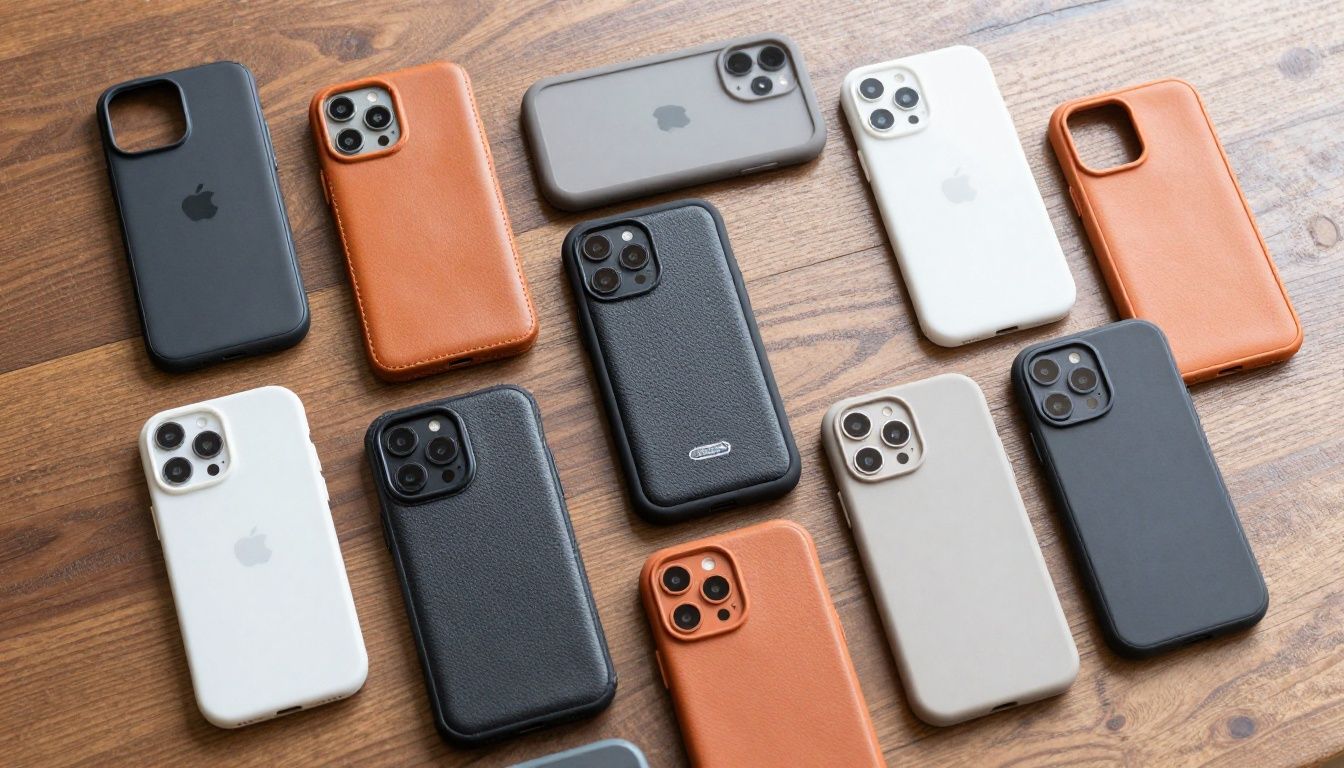
Consider your typical day. Are you a tradie on a construction site, a parent juggling a phone and a toddler, or an avid hiker? Each scenario calls for a different level of durability. Rugged cases offer maximum defence against drops and impacts, while a quality silicone or leather case provides a good middle ground for average daily use.
Getting the Wrong Phone Case Size
It sounds simple, but ordering a case for the wrong model is a frequent and frustrating mistake. Manufacturers often release multiple versions of a phone with very similar names, such as a standard, 'Pro', 'Plus', or 'Ultra' model. These phones can have minute differences in dimensions, camera placement, or button layout.
A case that’s even a millimetre off won’t fit securely, may block ports, and won’t provide reliable protection. Always double-check the exact model of your phone before buying. You can usually find this in your phone’s ‘Settings’ menu under an ‘About Phone’ section. Don't rely on memory alone.
Prioritising Looks Over Protection
While aesthetics are important, a case’s primary job is to protect your device. Many people are drawn to ultra-thin or decorative cases that unfortunately offer poor protection against drops. A beautiful design is little comfort if your screen shatters after a minor fall.
Look for key protective features that don't always have to mean a bulky design. A case with a raised bezel or lip around the screen and camera lenses is crucial. This small feature ensures the glass doesn't make direct contact with a flat surface when dropped. Materials with shock-absorbing properties, like TPU (thermoplastic polyurethane) or silicone, are also excellent choices.
Forgetting About Functionality
A case should protect your phone without getting in the way of using it. Small functional details can make a big difference in your daily experience.
Button and Port Access
Poorly designed cases can have stiff, unresponsive button covers that make adjusting the volume or locking your screen a chore. Likewise, cutouts for the charging port, speakers, and microphones must be precise. If a cutout is too small, you may not be able to plug in your charger or certain headphone jacks properly.
Wireless Charging Compatibility
If you rely on wireless charging, make sure your chosen case is compatible. Extremely thick cases or those with metal components (like rings or kickstands) can interfere with the charging connection. Look for product descriptions that explicitly mention compatibility with Qi wireless charging or Apple's MagSafe technology.
Grip and Feel
A case should feel secure in your hand. Some glossy, hard plastic cases can be surprisingly slippery, increasing the risk of the very drops you're trying to prevent. Consider cases with a matte finish, textured sides, or materials like silicone that naturally offer a better grip.
Frequently Asked Questions
Do I really need a screen protector if I have a good case?
Yes, it's highly recommended. A case with a raised edge helps protect against drops on flat surfaces, but it won't prevent scratches from keys in your pocket or a direct impact on the screen from a sharp object. A screen protector is an essential second layer of defence.
How can I be sure I'm buying the case for the right phone model?
The most reliable way is to check your phone's model name and number in the settings. Go to Settings > About Phone. Write down the exact name (e.g., 'Samsung Galaxy S23 Ultra', not just 'Samsung S23') and compare it carefully to the case's product description.
Are more expensive cases always better?
Not necessarily. Price can be an indicator of quality materials, precision engineering, or brand reputation, but a high price doesn't automatically guarantee better protection. Focus on the features—like raised bezels, shock-absorbent materials, and a precise fit—rather than the price tag alone.
Practical takeaway
Choosing the right phone case comes down to a simple checklist. Before you buy, consider your daily activities, double-check your exact phone model, and prioritise protective features over pure aesthetics. A little thought upfront ensures your phone stays safe and functional for years to come.