


How to Know When to Replace Your Phone Case
Posted by New Case on 15th Mar 2026
A phone case is one of the most important accessories for your device, acting as the first line of defence against drops, scratches, and daily wear. But it’s not a 'set and forget' item. Over time, a case loses its ability to provide reliable protection.
So, how do you know when to replace your phone case? It’s not always as obvious as a major crack. Recognising the subtle signs can help you make the switch before it’s too late, ensuring your phone remains properly safeguarded.
Signs of Physical Wear and Tear
The most straightforward reason to get a new case is visible damage. A damaged phone case can't do its job effectively, and even minor issues can compromise its protective qualities. Regular inspection is key to catching these problems early.
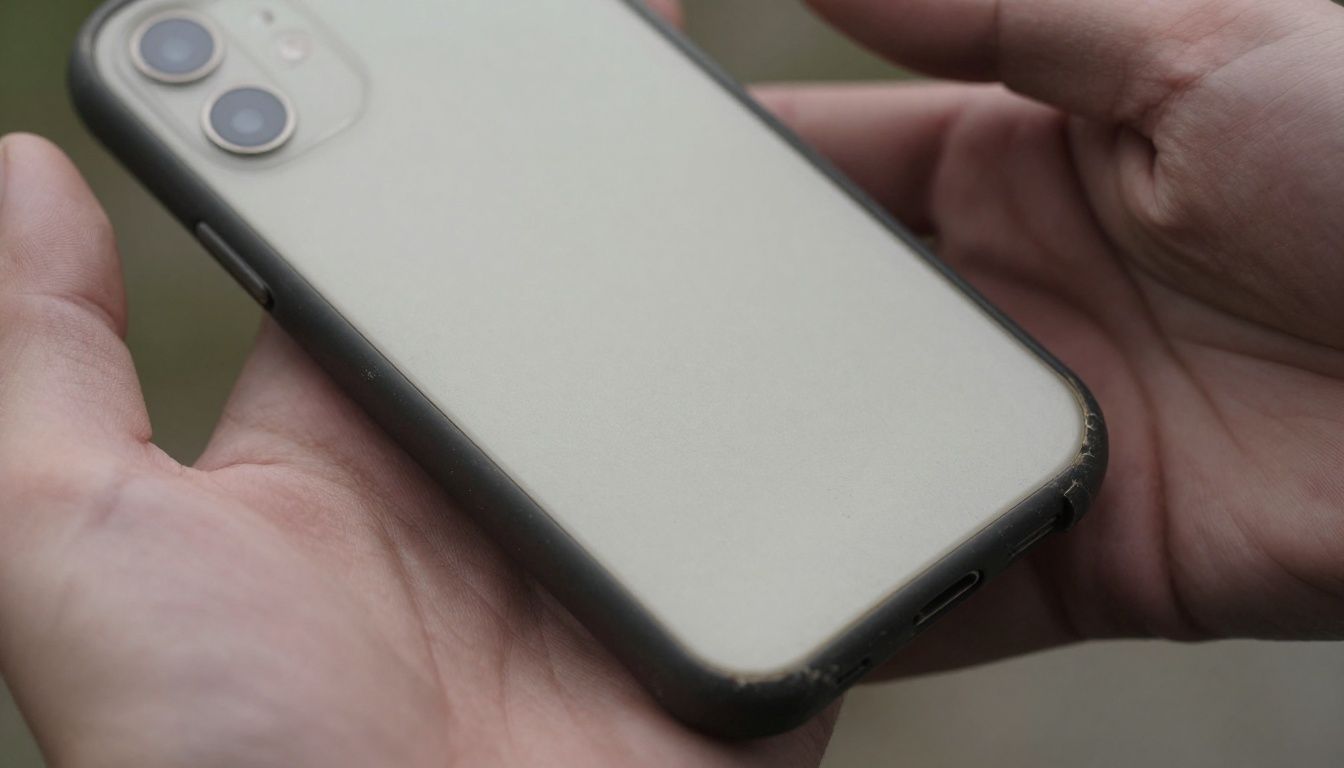
Cracks and Breaks
Any crack, no matter how small, compromises the structural integrity of your case. When a phone is dropped, the case is designed to absorb and distribute the force of the impact. A crack creates a weak point, meaning it will likely fail under pressure, transferring that shock directly to your phone.
Loose Fit
Over time, particularly with flexible materials like silicone or TPU, a case can stretch and lose its snug fit. If your phone slides around inside its case or the corners peel away easily, it’s a clear sign you need a replacement. A loose case can even cause your phone to fall out during a drop, offering no protection at all.
Worn-Out Corners
The corners are the most critical impact points on a phone. If the corners of your case are worn thin, scuffed down to the plastic, or have pieces missing, they can no longer cushion a fall. This leaves your phone’s most vulnerable areas exposed to damage.
Less Obvious Reasons for an Upgrade
Sometimes, a case needs replacing even when it looks mostly fine from a distance. Material degradation and changes in your needs are just as important to consider as visible cracks.
Material Degradation
Phone case materials don't last forever. Clear cases that have turned yellow are a common example. This discolouration isn't just a cosmetic issue; it often indicates that the plastic has become brittle and less flexible, reducing its shock-absorbing properties. Similarly, rubber or silicone elements can become hard or sticky, signalling a loss of effectiveness.
A Change in Your Lifestyle
The slim, stylish case that was perfect for your office job might not be suitable if you’ve taken up hiking or now work on a construction site. Your protection needs can change. If your daily activities have become more rugged, it’s wise to upgrade to a case that offers a higher level of defence to match.
You've Upgraded Your Phone
This may seem obvious, but it’s a crucial point. Phone manufacturers change the dimensions, camera layouts, and button placements with almost every new model. Using an old case on a new phone, even if it seems to fit, will likely result in blocked ports, misaligned buttons, and an unprotected camera.
How to Maintain Your Phone Case
While every phone case lifespan is finite, you can extend it with proper care. Simple maintenance can keep it in good condition for longer.
- Clean it regularly: Use a soft, damp cloth with a bit of mild soap to wipe away dirt and oils. Avoid harsh chemicals or abrasive cleaners, as they can degrade the material.
- Avoid extreme heat: Leaving your phone on a car dashboard in the hot Australian sun can cause the case to warp or become brittle more quickly.
- Inspect it often: When you take your case off to clean it, give it a quick check for any new cracks, warping, or signs that the fit is becoming loose.
Frequently Asked Questions
Can a yellowed clear case still protect my phone?
While some yellowing is purely cosmetic, it can also signal that the TPU material is becoming brittle and less effective at absorbing shock. If the case also feels stiff or has developed tiny cracks, it's definitely time to replace it.
How long should a phone case last?
The phone case lifespan varies greatly depending on the material, quality, and how you use it. A basic silicone case might only last a year with heavy use, while a high-quality polycarbonate case could last for several years. Regular inspection is more important than a strict timeline.
Is a slightly cracked phone case better than no case at all?
While it might offer minimal protection from minor scratches, a damaged phone case has compromised structural integrity. It won't absorb impact effectively during a drop and should be replaced to ensure your phone is properly protected.
Practical takeaway
Think of your phone case as a crucial piece of safety equipment for your device. Its primary job is protection, and when it can no longer perform that function, it needs to be replaced. Regularly check for cracks, a loose fit, and material decay to ensure your valuable phone isn't left vulnerable.