


When Should You Replace Your Phone Case?
Posted by New Case on 14th Mar 2026
A phone case is one of the most important accessories for your mobile. It’s a frontline defender against drops, scratches, and daily wear. But like any protective gear, it doesn’t last forever. A case is designed to take the punishment so your phone doesn’t have to, and eventually, it will need to be retired.
Recognising the signs that it's time to replace your phone case is key to ensuring your device remains properly protected. Waiting until after a drop to discover your case was past its prime is a lesson best avoided. Let's look at the key indicators that your case is due for an update.
Obvious Signs of Physical Damage
Some signs of wear are impossible to miss. If you notice significant physical damage, the case's ability to protect your phone is almost certainly compromised. These are the most urgent reasons to consider a replacement.
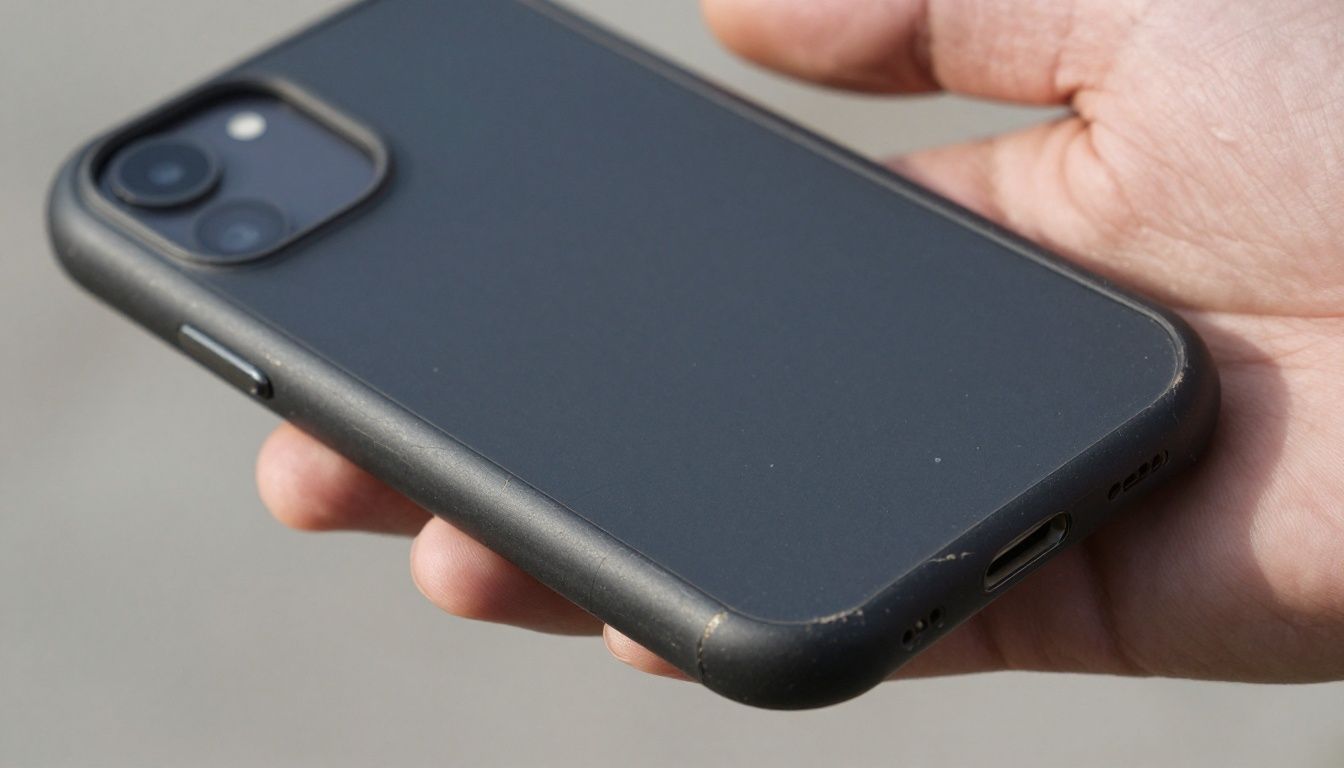
Cracks and Breaks
Any visible phone case cracks, even small hairline fractures, are a serious red flag. A case protects your phone by absorbing and distributing the force of an impact. Cracks create weak points that prevent it from doing this effectively, concentrating force in one area instead of spreading it out.
A case with a broken corner or a significant crack offers little more than scratch protection. The structural integrity is gone, and it won’t provide the drop protection you need. This is a clear signal that it's time for a new one.
Warping and Stretching
Cases made from flexible materials like silicone or TPU can stretch and warp over time. This is often caused by heat exposure—like leaving your phone on a car dashboard in the Aussie sun—or simply from being removed and re-fitted repeatedly.
When a case becomes warped, it no longer fits snugly around your phone. This looseness means the corners and edges of your device are vulnerable during a fall, as the case may shift or even come off completely on impact.
Worn-Out Corners
The corners of a phone case are the most critical areas for drop protection, as phones often land on a corner when dropped. Over time, these areas can become thin, compressed, or worn down from repeated small impacts and general use.
Inspect the corners of your case. If the material feels noticeably thinner or softer than the rest of the case, its shock-absorbing properties have diminished. This is a form of phone case damage that can easily go unnoticed until it’s too late.
Less Obvious Signs of Wear
Not all signs of a failing case are as dramatic as a crack. Material degradation can be subtle but just as detrimental to its protective capabilities. It's worth inspecting your case every few months for these quieter signs of wear.
Discolouration and Material Degradation
If you have a clear case that has turned yellow, it’s not just a cosmetic issue. This yellowing is a result of UV degradation. The sun's rays have started to break down the chemical composition of the plastic, making it more brittle and less able to absorb shock.
Other materials can also degrade. Some plastics can become sticky to the touch, while others may feel harder and less flexible than when they were new. These changes indicate the material is losing its protective qualities.
A Loose or Sloppy Fit
Even without obvious warping, a case can simply lose its tight grip over time. If you find your phone slides around inside its case or the case slips off with minimal effort, it's a problem. A loose fit not only reduces drop protection but also allows dust, sand, and other debris to get trapped between the case and your phone, potentially causing scratches on the device's body.
Worn Phone Case Texture
Many cases are designed with a specific texture to improve grip and prevent you from dropping your phone in the first place. A worn phone case may have a smooth, slick surface where this texture used to be.
If your once-grippy case now feels slippery, its primary function of preventing drops is compromised. This increases the likelihood of an accident, making it a good time to look for a replacement.
Frequently Asked Questions
How long should a phone case typically last in Australia?
The lifespan of a phone case depends on its material, quality, and how you use it. Generally, a good quality case should last between one to two years. However, frequent exposure to harsh Australian sun or rough handling can shorten this lifespan considerably.
Can a cracked phone case still protect my phone?
A case with phone case damage like a crack offers minimal protection. While it might prevent minor scratches, its ability to absorb and distribute the force from a drop is significantly reduced. It's always safer to replace a phone case that has any cracks.
Does a yellowing clear case mean it's no longer protective?
Yes, yellowing is a sign of material degradation from UV exposure. This process makes the plastic more brittle and less effective at absorbing impact. While it may look like a cosmetic issue, it indicates the case's protective capabilities are compromised.
Practical takeaway
Think of your phone case as a functional tool, not a permanent accessory. Regularly check it for signs of physical damage and material wear. Being proactive and replacing a worn-out case is a small, simple step that ensures your valuable phone remains safe from unexpected accidents.