


Why Using the Right Phone Case Really Matters
Posted by New Case on 19th Mar 2026
For many Australians, a mobile phone is an essential tool for work, socialising, and navigating daily life. It's also a significant financial investment. While modern smartphones are sleek and beautifully designed, they remain surprisingly fragile. This raises a common question: why use a phone case when the device already looks so good on its own?
A case is more than just a colourful accessory; it's a practical measure to safeguard your device from the realities of everyday use. Choosing the right one can prevent costly repairs and extend the life of your phone.
Beyond Just Preventing Scratches
The most obvious reason for using a case is to prevent phone damage from accidental drops. A well-designed case absorbs and disperses the force of an impact, which might otherwise crack a screen or shatter the back glass. Even a short fall onto a hard surface like concrete or tiles can be enough to cause significant damage.
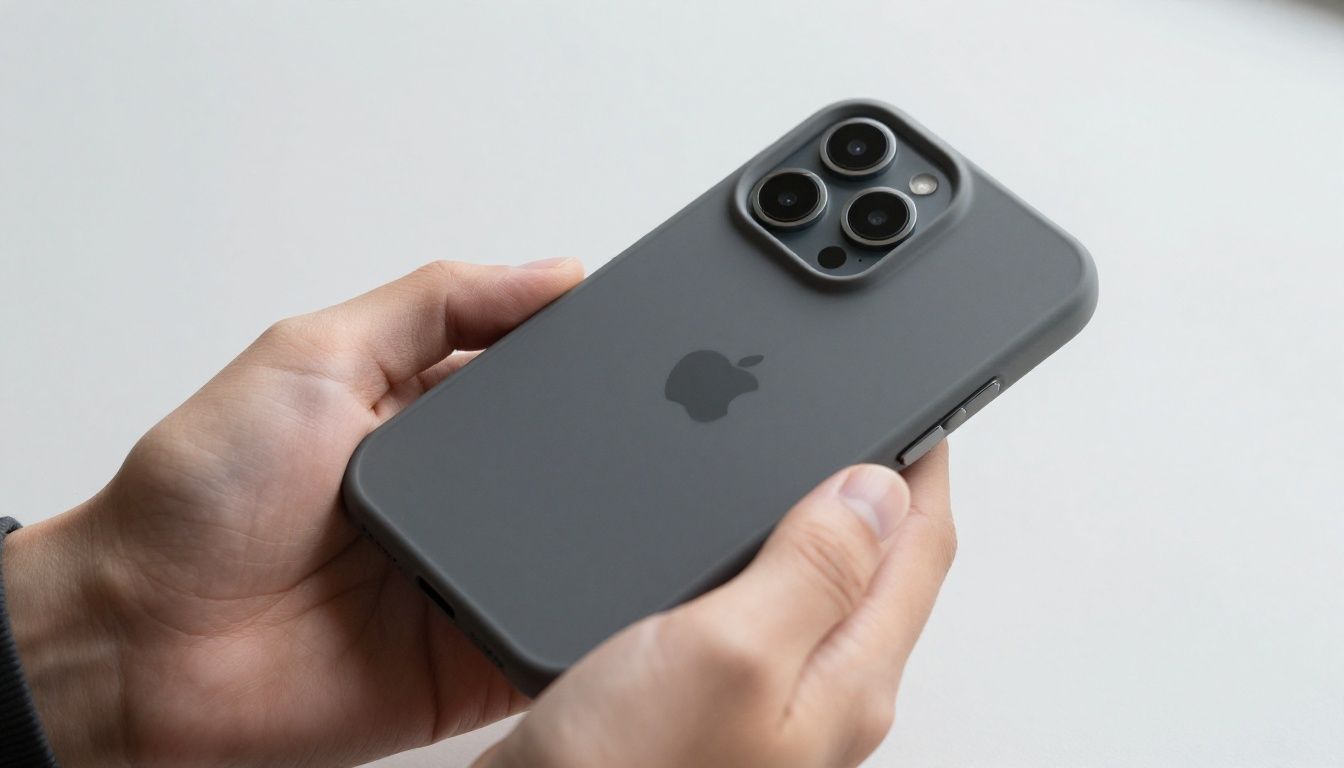
While manufacturers often highlight the durability of their screen glass, these materials are scratch-resistant, not shatterproof. The cost of repairing a screen or back glass in Australia can be substantial, often running into hundreds of dollars. A quality case provides a crucial buffer between your phone and the ground.
Finding the Right Balance of Protection and Style
Not all phone cases are created equal, and the best protective case for one person might not be suitable for another. The key is to match the level of phone protection to your specific lifestyle and daily activities.
Assessing Your Daily Risks
Consider your typical day. Someone working on a construction site or in agriculture has different needs from a person who works in an office. A parent with young children might face more frequent, unpredictable drops than a university student.
If your phone is regularly exposed to rough environments, a rugged case with certified drop protection offers peace of mind. If you primarily use your phone at home or in an office, a slimmer, more lightweight case might provide sufficient protection against minor bumps and scuffs.
Material and Design Considerations
The materials used in a case play a huge role in its protective capabilities. Common options include:
- Silicone: Soft, grippy, and good at absorbing minor shocks.
- TPU (Thermoplastic Polyurethane): A flexible but durable plastic that offers a great balance of slimness and impact absorption.
- Polycarbonate: A rigid, tough plastic that provides excellent structural protection against heavy impacts.
Look for designs with raised edges or a 'lip' around the screen and camera lenses. This small feature prevents the glass from making direct contact with a flat surface when you place your phone down, helping to avoid scratches.
More Than Just Drop Protection
A good case offers benefits that go beyond simply surviving a fall. One of the most underrated features is improved grip. The sleek metal and glass surfaces of modern phones can be slippery, and a case with a more tactile finish can help prevent a drop from happening in the first place.
Furthermore, using a case from day one helps maintain your phone's physical condition. By preventing the accumulation of scratches, dents, and scuffs on the phone's body, you can significantly improve its potential resale value when it comes time to upgrade.
Frequently Asked Questions
Do I still need a case if my phone is water-resistant?
Yes. Water resistance ratings (IP ratings) only protect against damage from water and dust ingress, not from physical impacts like drops. A case is essential for protecting against cracks, dents, and scratches, which water resistance does not cover.
Will a thick, protective case make my phone overheat?
Generally, no. Cases from reputable manufacturers are designed to allow for proper heat dissipation during normal use. Overheating is more commonly caused by processor-intensive activities like gaming, prolonged use in direct sunlight, or charging issues, rather than the case itself.
Are expensive cases always better?
Not necessarily. The price doesn't always correlate directly with the level of protection. It's more important to focus on the features, materials, and design. The best protective case is one that fits your phone perfectly and is suited to your daily activities, regardless of its price tag.
Practical takeaway
Ultimately, a phone case is a small and practical investment to protect the much larger investment you've made in your mobile device. Rather than choosing based on looks alone, consider your daily environment and habits to find a case that provides the right level of phone protection for your needs.