


Your Common Phone Case Questions Answered
Posted by New Case on 16th Mar 2026
Choosing a new phone case can feel surprisingly complex. With terms like 'shockproof' and 'IP rating' thrown around, and materials ranging from soft silicone to hard plastic, it's easy to feel a bit lost. The goal is simple: protect your phone from the knocks and drops of daily life.
This guide is a straightforward phone case FAQ, designed to clear up confusion and help you understand what features truly matter for your situation. We'll look at protection levels, materials, and extra features to help you make a more informed decision.
Understanding Different Types of Protection
Not all protective cases are created equal. The language used can be confusing, but it usually describes how a case handles specific types of damage, from impacts to water exposure.
Shockproof vs. Drop-Proof: What's the Difference?
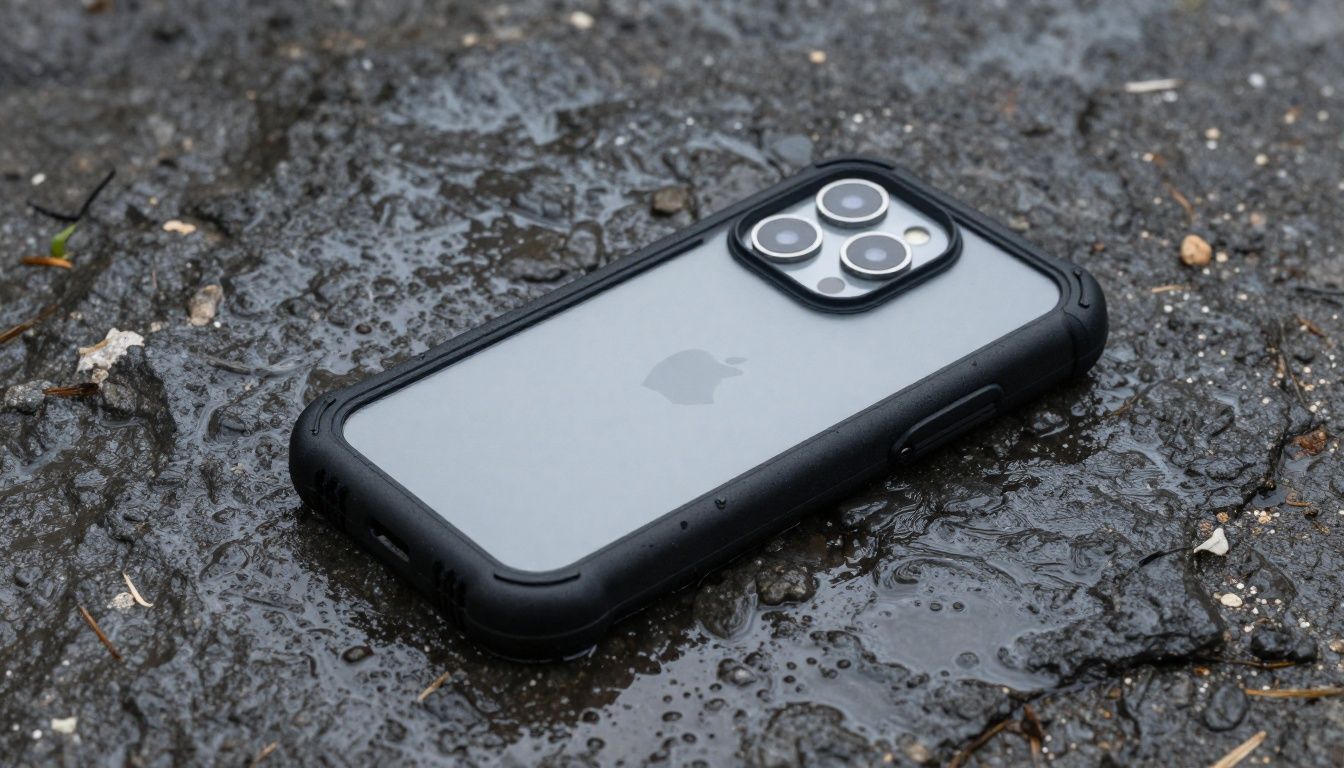
These terms are often used interchangeably, but they refer to slightly different things. A shockproof case is designed to absorb and dissipate the energy from an impact, protecting the phone's delicate internal components from vibrations.
Drop-proof, on the other hand, usually comes with a specific height rating, like 1.5 or 2 metres. This means the case has been tested to protect the phone from a fall onto a hard surface from that height. A good case often incorporates both principles.
What Does 'Waterproof' Really Mean?
A waterproof case is designed to keep your phone dry when fully submerged. Its effectiveness is measured by an Ingress Protection (IP) rating. For example, a rating of IP68 means the device is protected from dust and can be submerged in water, typically up to 1.5 metres for 30 minutes.
This is different from a water-resistant case, which can handle splashes, rain, or a quick, accidental drop in the sink, but isn't built for swimming or full submersion. Always check the specific IP rating to understand the limits of the protection.
Material Matters: Silicone, Plastic, or Leather?
The material of a case determines its feel, look, and how it protects your phone. Each has its own set of benefits for different users.
Silicone and TPU Cases
Flexible materials like silicone and Thermoplastic Polyurethane (TPU) are popular for a reason. They provide excellent grip, preventing the phone from slipping out of your hand, and offer good shock absorption for minor bumps and drops.
These cases are generally slim, lightweight, and come in a huge variety of colours. They are a great all-round choice for everyday protection against scratches and small impacts.
Hard Plastic (Polycarbonate) Cases
Rigid cases made from polycarbonate (PC) offer strong protection against scratches and direct impacts. They are often very slim and maintain the phone's original profile, snapping on securely.
The main trade-off is that they can be more slippery than silicone and may crack or shatter under a severe impact, though they sacrifice themselves to protect the phone.
Leather and Folio Cases
For a more professional or classic look, leather cases are a great option. They feel good in the hand and can develop a unique patina over time. Folio-style or wallet phone case designs also cover the screen, offering protection in a bag or pocket.
While they provide good scratch resistance and light impact protection, they may not be the best phone case for surviving significant drops compared to more rugged, purpose-built options.
Phone Case FAQ
Here are answers to a few common questions we hear from Australian customers.
How often should I replace my phone case?
You should replace your case whenever it shows signs of damage that could affect its ability to protect your phone. Look for deep cracks in hard plastic, significant stretching or tearing in silicone cases, or if the case has become too loose to hold the phone securely. For clear cases, you might also choose to replace them when they yellow, purely for aesthetic reasons.
Will a thick case make my phone overheat?
For most daily activities, a phone case will not cause your phone to overheat. However, during intensive use—like running GPS navigation in a hot car or playing demanding games for a long time—a very thick, insulating case can trap heat. In the peak of an Australian summer, it's something to be mindful of, but it's rarely an issue for general use.
Do I still need a screen protector with a good case?
Yes, it's highly recommended. While many cases have a raised 'lip' or 'bezel' to protect the screen when placed face-down, this doesn't guard against everything. A screen protector is your best defence against scratches from keys in your pocket or bag, and it provides a crucial extra layer of protection against direct impacts to the screen itself.
Practical takeaway
The best phone case is the one that fits your individual needs and lifestyle. Consider your daily environment—are you working on a construction site or in an office? Think about your priorities, whether it's maximum drop protection, the convenience of a wallet phone case, or a slim, stylish design. Matching the case to your real-world use is the key to making a practical choice.